
DPR Urges Acceleration of Waste-to-Energy as National Waste Management Solution
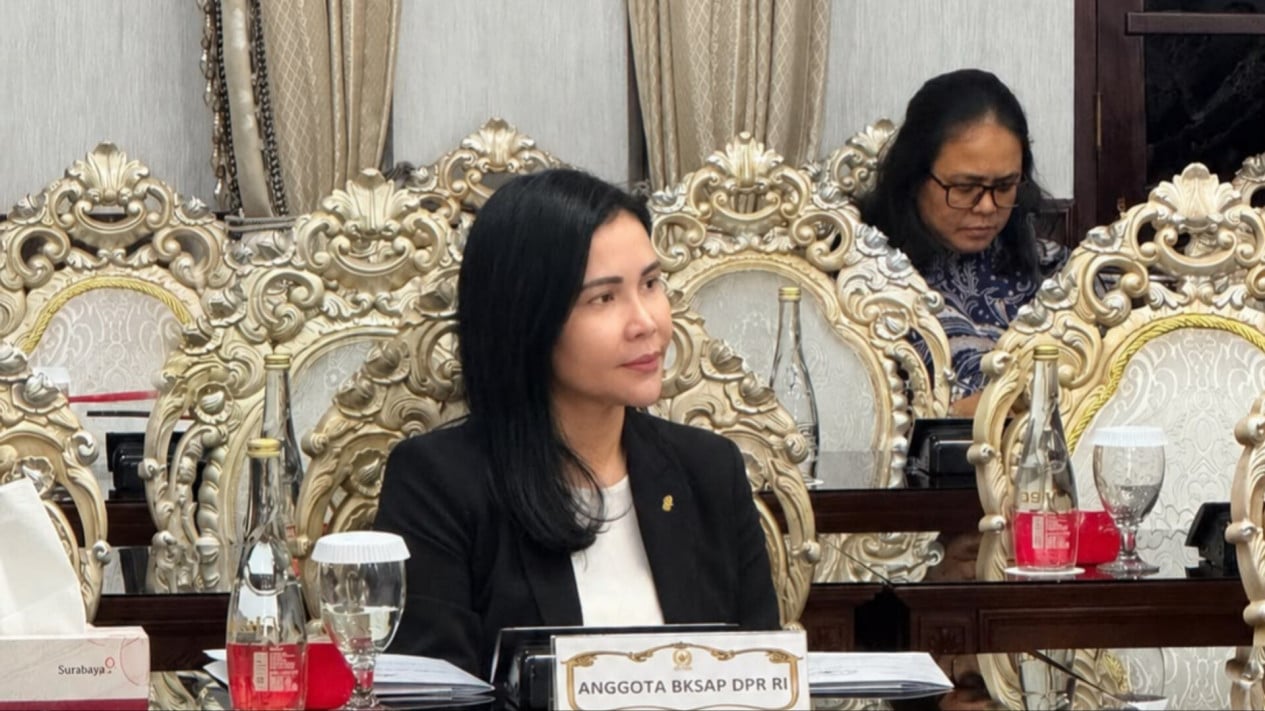
Jakarta, VIVA – Shanty Alda Nathalia, a member of the Inter-Parliamentary Cooperation Body (BKSAP) of the Indonesian House of Representatives (DPR RI), has said that Indonesia needs to accelerate the development of waste-to-energy (WtE) technology as a strategic solution to the national waste problem, whilst also supporting the transition towards a circular economy and energy security.
According to Shanty, the continuously rising volume of waste in various regions can no longer be handled solely through the conventional approach of collection and disposal at final processing sites (TPA).
Innovative waste management is needed that can reduce waste piles while delivering economic benefits through energy utilisation.
“The waste problem can no longer be solved merely through collection and landfilling. We need to encourage the development of waste to energy as a solution capable of reducing waste volumes while adding value through energy use. During BKSAP DPR RI’s working visit to Surabaya, we saw good practices that can serve as lessons learned for other regions in building more modern and sustainable waste management systems,” Shanty said.
She explained that Indonesia has diverse regional characteristics and waste compositions, so the development approach for waste to energy cannot be standardised. Regional governments need to be given room to choose the technologies best suited to their respective conditions.
“Going forward, Indonesia needs to continue exploring and developing various waste-to-energy technologies suited to each region’s characteristics. The options are very diverse, ranging from technologies that generate electricity to those that can produce fuels, including through pyrolysis. Therefore, each region needs the flexibility to choose the technology most appropriate to its waste volume, composition, infrastructure readiness, and economic viability so that implementation is truly effective and sustainable,” she explained.
Shanty added that successful waste-to-energy development also requires integrated policy support. Regulatory harmonisation across ministries and agencies is considered a key factor in creating legal certainty while boosting investor confidence in building energy-based waste processing facilities in Indonesia.
“Equally important is cross-sector regulatory harmonisation so that waste-to-energy development has legal certainty and a conducive investment climate. Certainty regarding permits, technology standards, and the utilisation of waste processing outputs will be an important factor in accelerating the implementation of waste-to-energy projects across Indonesia. With strong regulatory support, waste will no longer be seen as an environmental burden, but as a resource that can support the circular economy, energy security, and sustainable development,” Shanty said.