
DPR to Revise State Assets Law as Omnibus Law
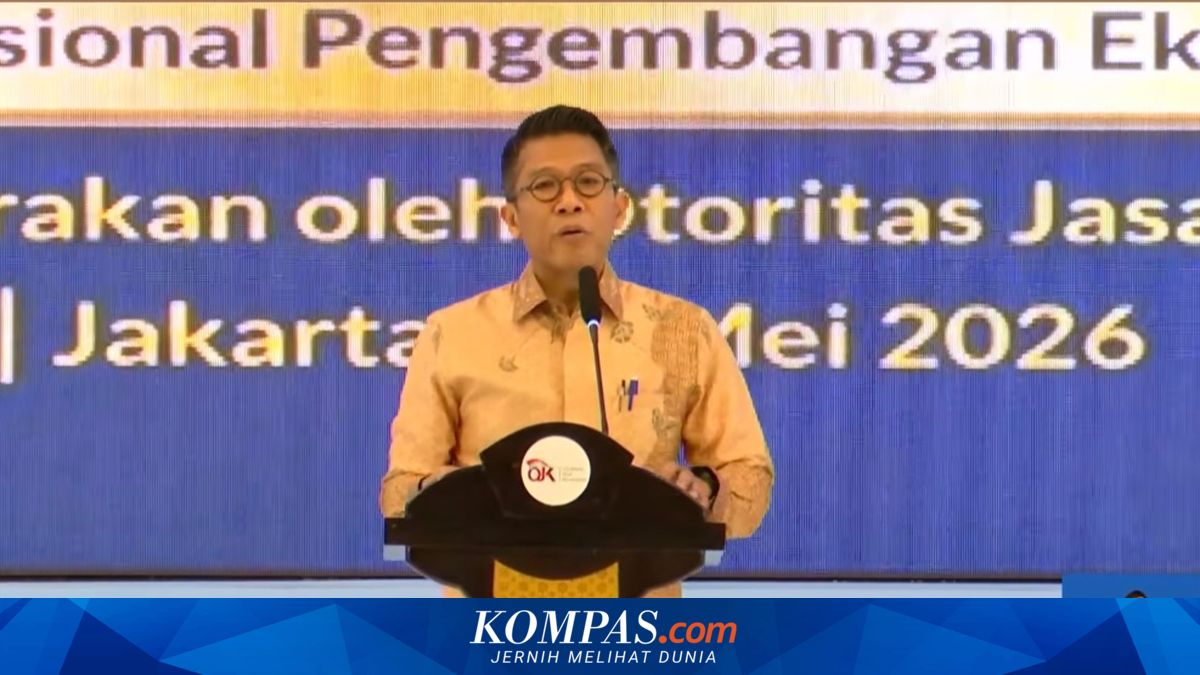
JAKARTA - The House of Representatives (DPR) will soon begin revising Law No. 17 of 2003 on State Finance. DPR Commission XI Chairman Mukhamad Misbakhun stated that the revision of the State Finance Law will commence immediately after completing the amendment of Law No. 4 of 2023 on the Development and Strengthening of the Financial Sector (P2SK Law). The revision is targeted for completion before the 2027 State Budget (APBN) takes effect on 1 January 2027.
‘After finalising the P2SK Law, we have received instructions to promptly revise the State Finance Law,’ he said at the National Conference on Regional Economic Development in Jakarta on Monday, 25 May 2026.
This is due to legal gaps and overlaps, as current regulations still designate the Finance Minister as the shareholder of state-owned enterprises (SOEs), a role that has changed since Danantara’s establishment.
Therefore, the State Finance Law revision will take the form of an omnibus law, encompassing multiple regulations: the State Finance Law, State Treasury Law, Separated State Assets Law, and Non-Tax State Revenue (PNBP) Law.
‘This is part of efforts to resolve legal gaps arising from Law No. 1 of 2026 and Law No. 16 on SOEs, which established Danantara, rendering the Finance Ministry’s role as SOE shareholder no longer mandated by law. We will harmonise these laws through an omnibus law,’ he explained.
Misbakhun added that harmonising multiple regulations into an omnibus law is necessary as SOE dividends currently enter the PNBP category and form part of the APBN cycle. With the new SOE management structure post-Danantara, the scheme needs restructuring to avoid future legal complications.
He also confirmed that discussions on revising the State Finance Law do not involve changing the 3% GDP deficit limit for the APBN.
‘Regarding the previously discussed issue of allowing deficits above 3%, we are not moving in that direction,’ he said.