
DPR Targets Asset Forfeiture Bill to Be Completed Before December 2026
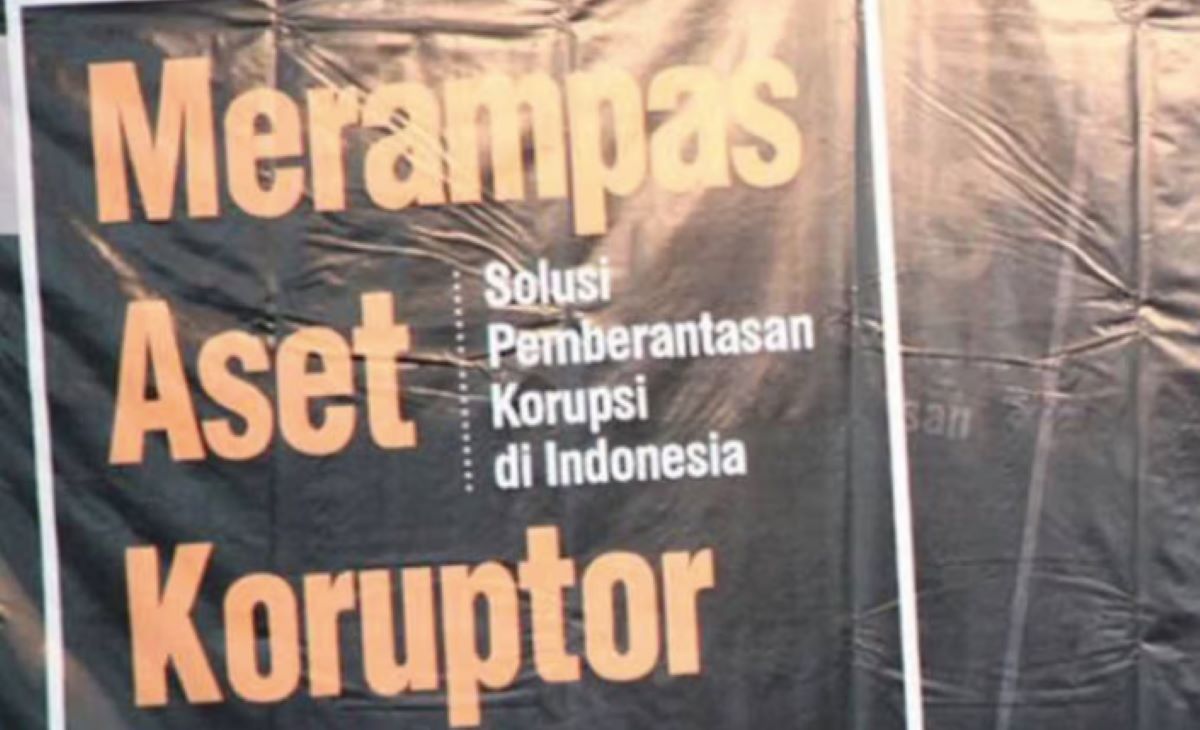
The House of Representatives (DPR) Commission III is targeting the deliberation of the Asset Forfeiture Bill to be completed and passed before December 2026. The discussion of this regulation is included in the priority agenda for Session I of the 2026-2027 sitting year.
Commission III Chairman Habiburokhman said the commission will hold public hearings (RDPU) two to three times a week to thoroughly absorb public input. “Indeed, many elements of society have requested public hearings regarding this Asset Forfeiture Bill. We will make every effort to make time to receive them in order to fulfil the principle of meaningful participation,” Habiburokhman said in a statement on Tuesday (18/8).
The Gerindra Party politician is optimistic that the deliberation process can proceed smoothly according to the set time target, namely within two sitting periods at the latest. “We are targeting the Asset Forfeiture Bill to be passed before December 2026 or at the latest within two sitting periods,” he said.
Habiburokhman acknowledged that deliberation of the Asset Forfeiture Bill requires a longer time compared to other regulations such as the Criminal Procedure Code (KUHAP) and the National Police Law. This is due to the material and concept of non-conviction-based asset forfeiture, which is relatively new in the national legal system.
Unlike the KUHAP and the National Police Law, which already have basic frameworks, the Asset Forfeiture Bill requires in-depth study so that its implementation is effective in the field without infringing on fundamental rights. “We are determined that this law can further maximise the eradication of corruption,” he stressed.
Support for the openness of the legislative process is in line with the statement by DPR Speaker Puan Maharani during the opening speech of Session I of the 2026-2027 sitting year on Friday (14/8). Puan emphasised that the Asset Forfeiture Bill is now in a crucial phase of absorbing aspirations.
“The Asset Forfeiture Bill is still in the stage of receiving meaningful public input, or meaningful participation,” Puan said.
The DPR is committed to completing the drafting of 43 bills in this period. Puan stressed that the success of the legislative function is not only measured by the quantity of laws enacted, but by the real impact produced for the welfare of the people.
“The quality of law-making is certainly not only measured by the number of laws produced; but by how much benefit the people can feel from the presence of these laws,” she concluded.