
DPR: Strengthening Export Governance to Bolster Foreign Exchange Reserves and Prevent Market Distortion
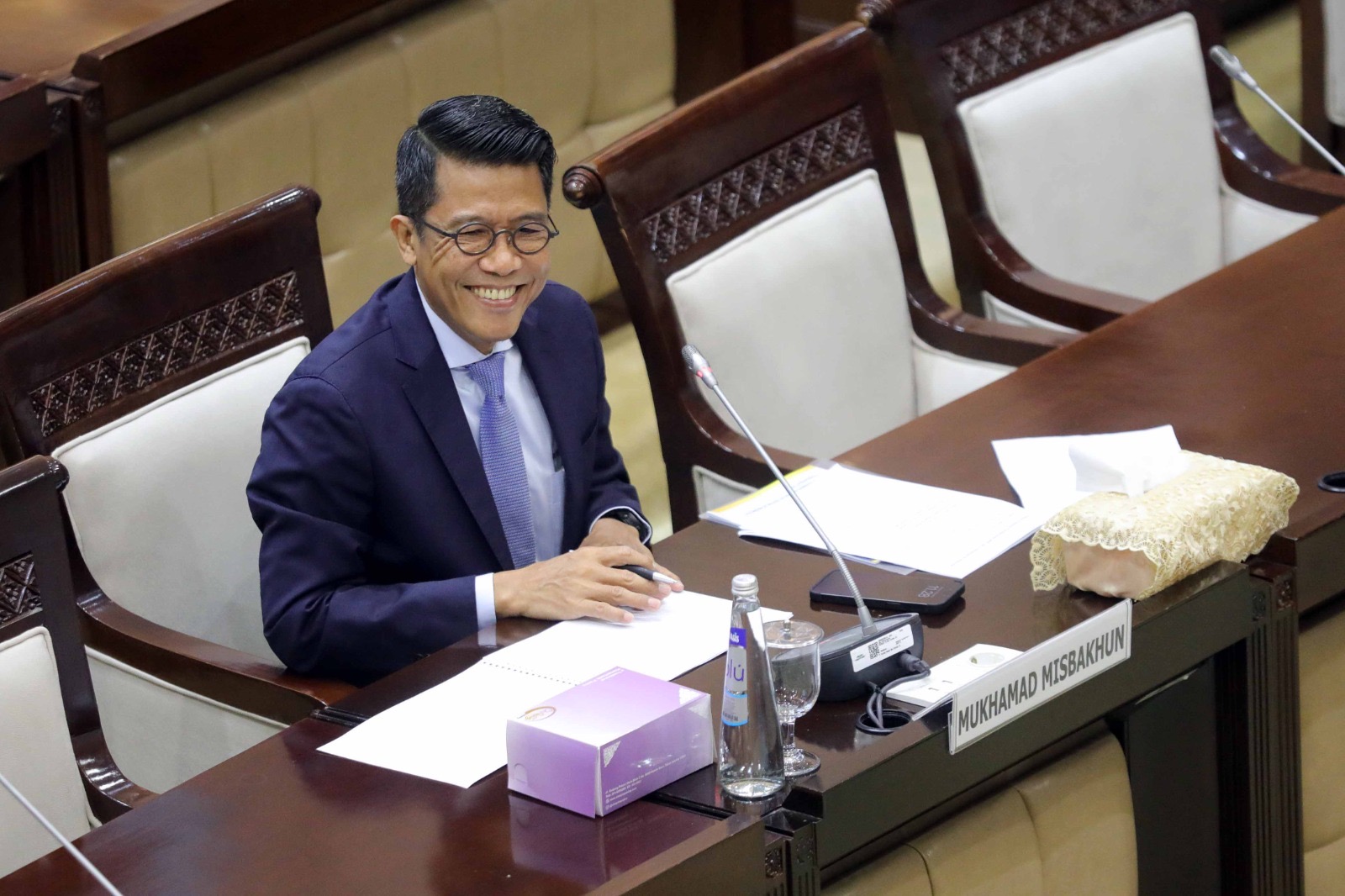
The Chairman of Commission XI of the Indonesian House of Representatives (DPR RI), Mukhamund Misbakhun, assesses that reorganising the export of strategic natural resource commodities is a vital step towards thickening foreign exchange reserves and securing the state’s revenue base. This includes addressing practices such as under-invoicing and transfer pricing in inter-company transactions within the same business ownership scope, thereby maintaining Indonesia’s economic resilience against external pressures.
This policy is considered aligned with President Prabowo Subianto’s vision to optimise natural wealth so that its added value returns maximally to the national economy. “The commodity sector is the main pillar of our trade balance and foreign exchange supply. Strengthening export governance is not merely a commercial matter, but a strategic intervention to close potential leakages from under-invoicing, transfer pricing, and the sub-optimal placement of export proceeds. If executed with proper governance, the impact will directly strengthen the stability of the Rupiah and provide a healthier fiscal space for the government,” said Misbakhun, as quoted from a press release received in Jakarta on Tuesday.
However, he cautioned that state intervention in managing strategic commodity exports must be carefully designed. According to Misbakhun, strengthening the state’s role should aim to perfect the market, rather than creating new barriers or concentrating activities that lead to market distortion. He also emphasised that any form of assignment to specific entities must be based on a strong legal foundation and a transparent mechanism for business actors.
“The state is present to improve governance and close leakages. Price mechanisms, export contracts, and payment flows must be clearly established from the outset. Furthermore, we need to protect the entire supply chain ecosystem—from farmers, producers, and workers to local governments—through a measured policy transition period to avoid triggering price pressures at the producer level,” he stated.
To realise these objectives, Misbakhun encouraged solid cross-authority coordination. As this policy intersects with macroeconomic stability, tax revenue, state budget financing, and investor confidence, it requires close synergy between technical ministries, the Ministry of Finance, Bank Indonesia, the Financial Services Authority (OJK), and competition authorities. “Commission XI of the DPR RI will provide full support while strictly supervising the implementation of this policy. The principle is clear: we support the strengthening of governance to bolster foreign exchange, but the execution must be credible, maintain proportional treatment for business actors, and ensure economic benefits are widely distributed to local communities,” Misbakhun concluded.