
DPR Speaker Puan Maharani Calls for Evaluation as State Schools Face Student Shortages
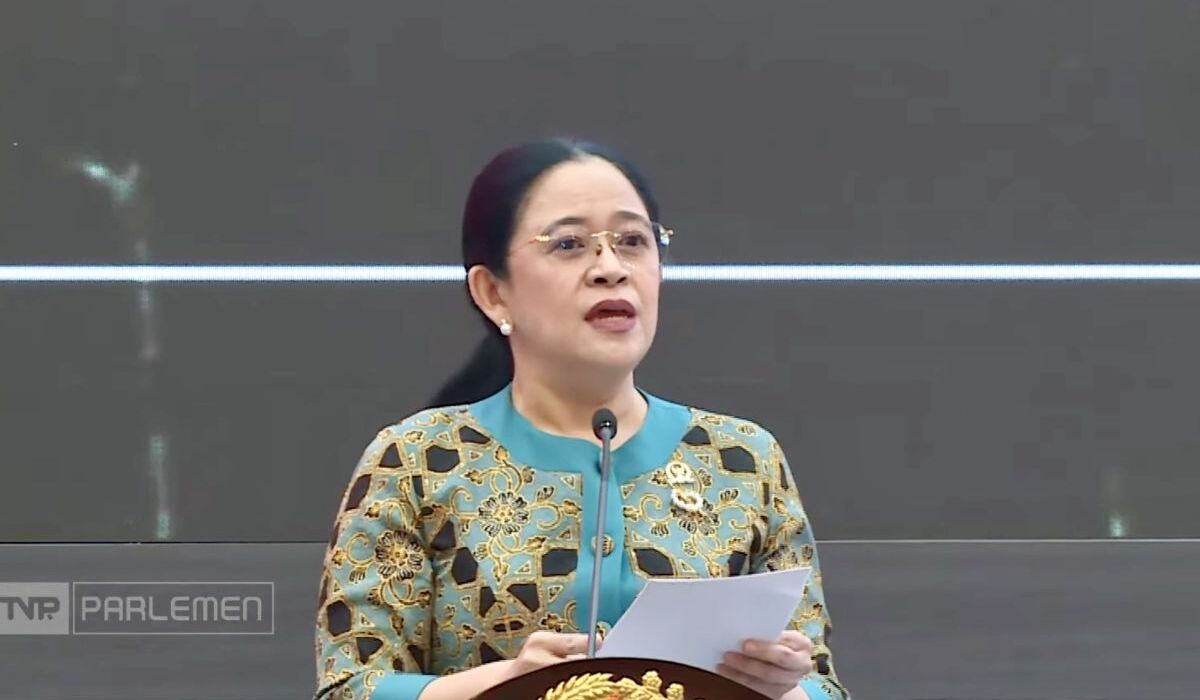
The Speaker of the Indonesian House of Representatives (DPR RI), Puan Maharani, has asked the government, through the relevant ministries, to promptly evaluate and reorganise education services. The move responds to the widespread phenomenon of state schools lacking pupils in a number of regions in the new 2026/2027 academic year.
Puan stressed the importance of the government thoroughly mapping the causes of this phenomenon before taking steps to address it. This is intended to ensure that the policies decided upon match the reality and conditions on the ground.
“Is this indeed a general symptom occurring nationally, or merely isolated cases in a few regions? Identifying the problem is necessary so that the response matches what is actually happening,” Puan said in Jakarta on Wednesday (15 July).
According to Puan, various factors have triggered the shortage of pupils, including a decline in the number of school-age children, population migration, a distribution of schools that no longer matches the development of settlements, and declining public trust in the quality of state school services.
She judged that the government cannot apply a uniform policy across all regions. Any response must take into account the characteristics of each region in order to guarantee that every child’s right to an education remains fulfilled.
Furthermore, Puan urged the government to promptly draw up a national map of educational unit needs based on villages and districts. This map must integrate data on the number of school-age children, birth trends, settlement development, school capacity, travel distances, and population projections for at least the next ten years.
“That map must be the basis for determining which schools need to be revitalised, developed into reference schools, merged, or maintained because of their strategic role,” she explained.
Puan also reminded the government that efficiency policies must not sacrifice children’s rights. If merging schools is the last resort, the government must ensure the availability of safe school transport for pupils.
The pupil shortage crisis is clearly visible in several regions. At Purwoyoso 01 State Primary School in Semarang City, Central Java, the school was reported to have accepted only three new pupils in the 2026/2027 academic year. Meanwhile, in Sleman Regency, Yogyakarta, around 60 schools were still short of pupils by the close of the New Pupil Admissions System (SPMB) period. (Ant/H-3)