
DPR Says Culture Is a Major Untapped Asset for the Creative Economy
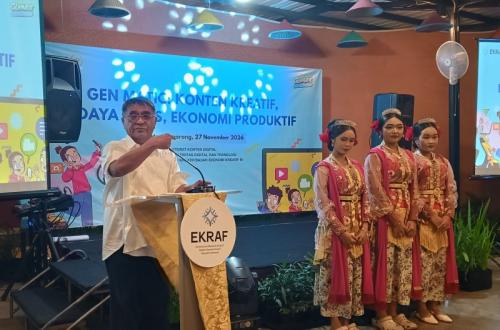
Semarang – Samuel Wattimena, a member of Commission VII of the House of Representatives (DPR), said culture was a major asset in developing the national creative economy. However, he said stakeholders had yet to make the most of this strategic potential.
Samuel made the remarks at a technical guidance event on the Merti Desa creative economy programme in Semarang Regency on Friday evening. He highlighted Indonesia’s position as the world’s largest archipelagic country and its considerable comparative advantage.
“Our main asset is culture. Why? Because we are the world’s largest archipelagic country,” he said. Each island and region has a distinct cultural identity, from its language, traditional clothing and way of life to its unique cuisine.
Samuel lamented that people often overlook this local wealth. “We are busy browsing Korean films. We are busy looking at the lifestyles of people abroad and then want to imitate them,” he said.
Monetising local culture
The politician cited the merti desa tradition as a cultural asset that could be monetised to boost the creative economy. He said it was not merely a physical clean-up of a village or hamlet, but a tradition with deep cultural meaning.
Merti desa ceremonies are usually accompanied by cultural activities, including communal feasts, carnivals, processions of mountain-shaped offerings and cultural performances. Samuel said these events had strong commercial potential and appeal if professionally presented.
He also discussed the role of Gen Matic (Technology-Literate Generation), the theme of the event. The Ministry of Creative Economy programme aims to develop content creators, professional affiliate marketers and digital talent in the regions.
Samuel said Gen Matic had a vital role in developing the creative economy, but its members needed a sound understanding of the culture they would promote through digital content. “It is the task of senior members of the community to provide accurate information about our culture,” he said.
Optimism about national creativity
Sabartua Tampubolon, secretary of the Deputy for Digital and Technological Creativity at the Ministry of Creative Economy, echoed Samuel’s optimism about Indonesia’s creative competitiveness. He acknowledged that Indonesia might not yet be able to catch up in technology.
“But in creativity, I am optimistic that we can compete with other countries. We have resources and culture,” Sabartua said. He hoped the country’s cultural wealth would be explored and showcased in music and film content to create economic added value.
Sabartua said many regional strengths and opportunities remained creatively untapped. Yet making use of resources rooted in cultural heritage and knowledge was the essence of the creative economy.
“The creative economy is the creation of added value from intellectual property derived from human creativity and based on cultural heritage and knowledge,” he said.
Source: jawawa.id (https://jawawa.id/newsitem/dpr-says-culture-is-a-major-untapped-asset-for-the-creative-economy-1795805419)
Originally published by Republika (https://news.republika.co.id/berita/tp69ck6130000/dpr-sebut-budaya-jadi-modal-besar-ekonomi-kreatif-yang-belum-dimaksimalkan), translated from Indonesian