
DPR RI emphasises four pillars to strengthen human resources in Lamongan
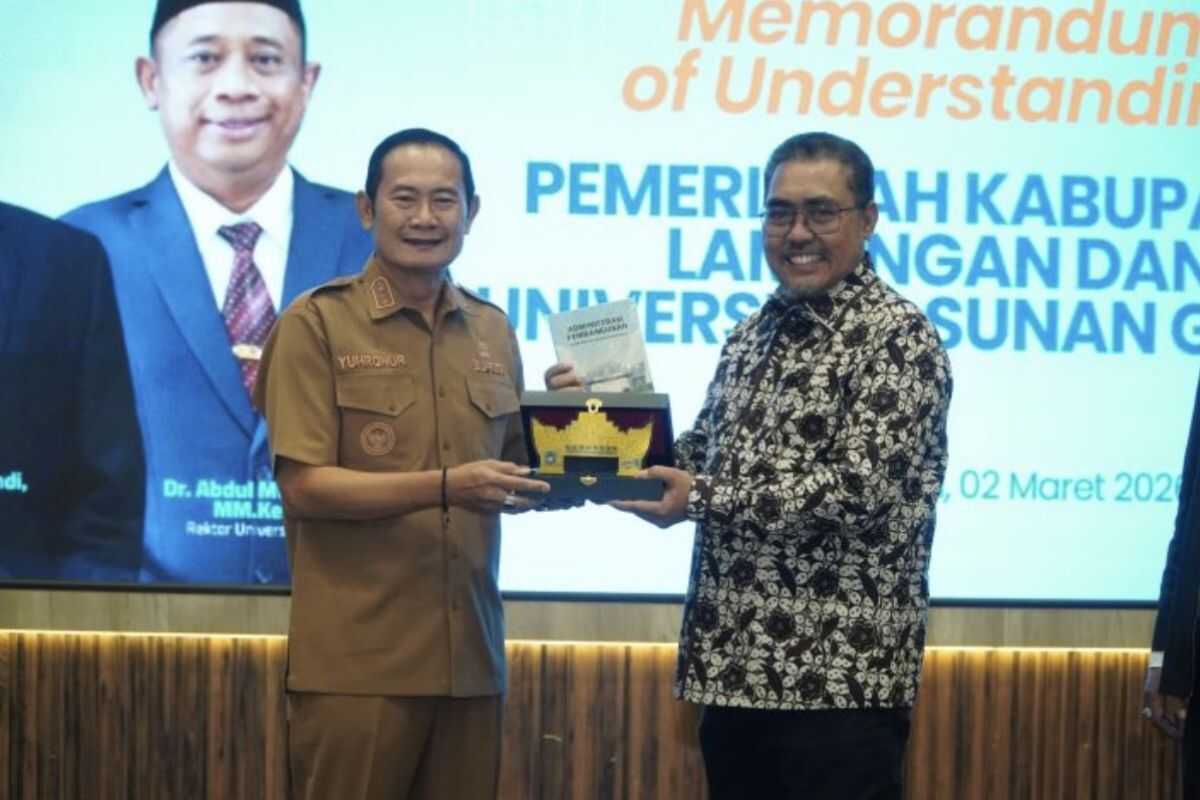
Lamongan, East Java — DPR RI legislator Jazilul Fawaid has emphasised the strengthening of four pillars of statehood to reinforce the development of superior and competitive human resources in Lamongan Regency.
“National development begins from villages. However, village development cannot rely solely on infrastructure; it must be balanced with quality human resource development,” he stated following a socialisation session on the four pillars of statehood by the MPR RI in Lamongan, East Java, on Monday.
According to him, the implementation of the four pillars of statehood—comprising Pancasila, the Constitution of the Republic of Indonesia of 1945, the Unitary State of the Republic of Indonesia (NKRI), and Bhinneka Tunggal Ika—forms an important foundation in strengthening the character and national insight of society.
“These serve as a vital foundation in strengthening the character and national awareness of the community,” he said.
The politician from the National Awakening Party (PKB) assessed that strengthening national values is necessary to enable communities to adapt to social and economic dynamics whilst reinforcing regional autonomy based on participation and village independence.
Meanwhile, Lamongan Regent Yuhronur Efendi stated that development in his region is not focused solely on physical aspects but also on non-physical development through improving human resource quality.
“Superior human resources are an investment in future development. For this reason, we continue to promote non-physical development to align with the vision of creating superior, competitive, and morally upright human resources,” he said.
On the same occasion, the Lamongan Regency Government signed a memorandum of understanding (MoU) with Sunan Gresik University regarding synergy in implementing the Tri Dharma Perguruan Tinggi (Three Pillars of Higher Education)—encompassing education, research, and community service in Lamongan.
Through this collaboration, the contribution of the academic world is expected to strengthen innovation in regional development and community empowerment on a sustainable basis.