
DPR Reminds Government of Obligation to Periodically Evaluate Flight Delay Compensation Rates
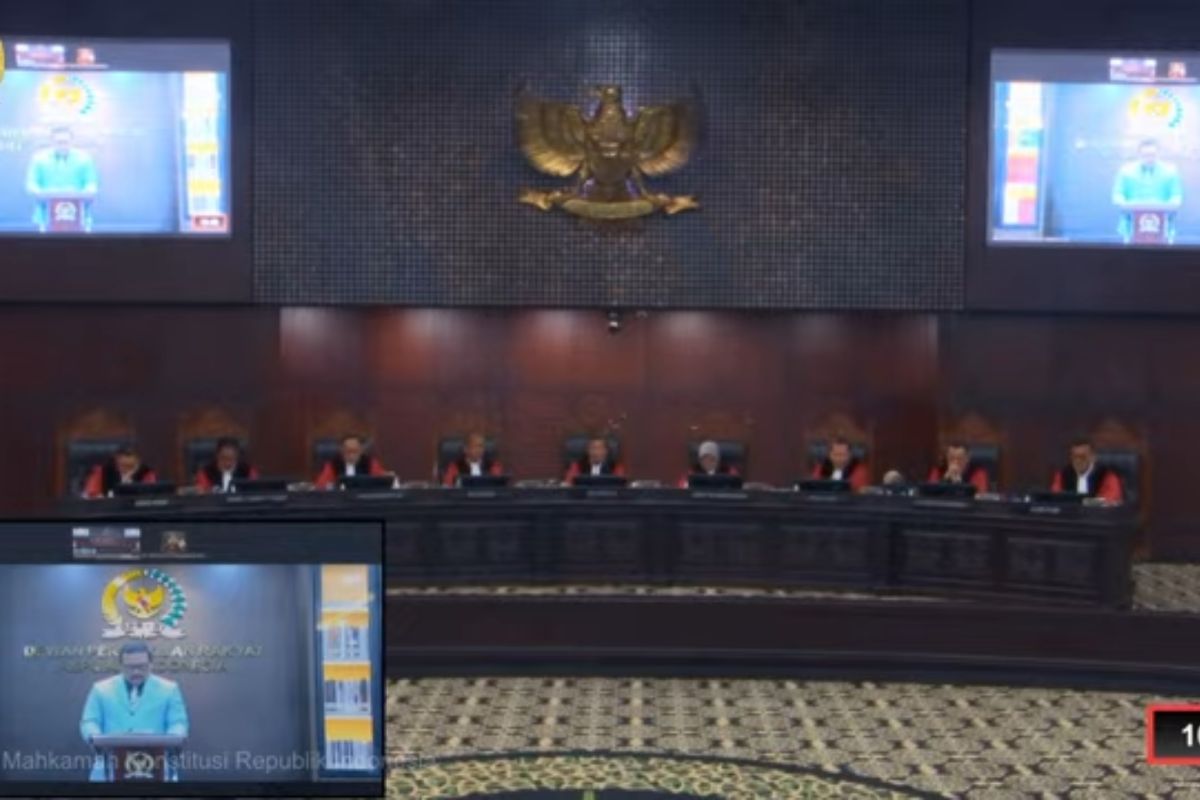
The House of Representatives of the Republic of Indonesia (DPR RI) has reminded the Ministry of Transportation of its obligation to periodically evaluate the amount of compensation for flight delays, as mandated by the Aviation Law. The mandate for periodic evaluation is stipulated in Article 172 of Law Number 1 of 2009 concerning Aviation (Aviation Law).
“Article 172 of the Aviation Law has mandated the minister responsible for aviation affairs to evaluate the amount of compensation at least once a year,” said DPR RI legal counsel Martin Daniel Tumbelaka during a hearing at the Constitutional Court (MK) building in Jakarta on Monday. Martin, who attended the trial online, stated that the provision of compensation amounts is dynamic and aligns with the fulfilment of justice for passengers and airlines.
He explained that the compensation system for delays in the Aviation Law is designed not to be static and can always be adjusted to economic developments, the standard of living of the community, and the business conditions of air transport services. He noted that there are many variables that can determine the amount of loss experienced by passengers. These variables include not only the duration of the delay and the flight route but also the time of the delay, the availability of alternative modes of transport, delays on connecting flights, and other variables that influence the amount of loss suffered by passengers.
“Article 170 of the Aviation Law delegates further regulation to a ministerial regulation,” he said. The form of airline accountability is directed through a compensation mechanism regulated in Article 170 of the Aviation Law. Through this settlement mechanism, he continued, the fulfilment of compensation for passengers can be carried out more quickly, easily, and efficiently.
He also stated that the calculation model for the amount of compensation due to flight delays in the Aviation Law is not intended to be limited to certain variables, so it needs to be further regulated through the implementing regulations of the Aviation Law. “In addition, there is an obligation to evaluate the amount of compensation periodically to ensure that the amount of compensation remains relevant for passengers and airlines,” said Martin.
This DPR statement was delivered in the fifth hearing of the judicial review of the Aviation Law filed by nine advocates and two law students. Petition Number 190/PUU-XXIV/2026 reviews the material of Article 146, the elucidation of Article 146, Article 170, and Article 176 of the Aviation Law. In their petition, the applicants claimed to have experienced flight delays. They argued that Article 146 of the Aviation Law has created legal uncertainty and an unbalanced position, as it frees the carrier (airline) from responsibility while not regulating a mechanism for the airline to submit evidence of the delay, such as the obligation to include an official statement from the relevant agency.