
DPR regards Prabowo's speech as a signal of optimism for strengthening the economy and the Rupiah
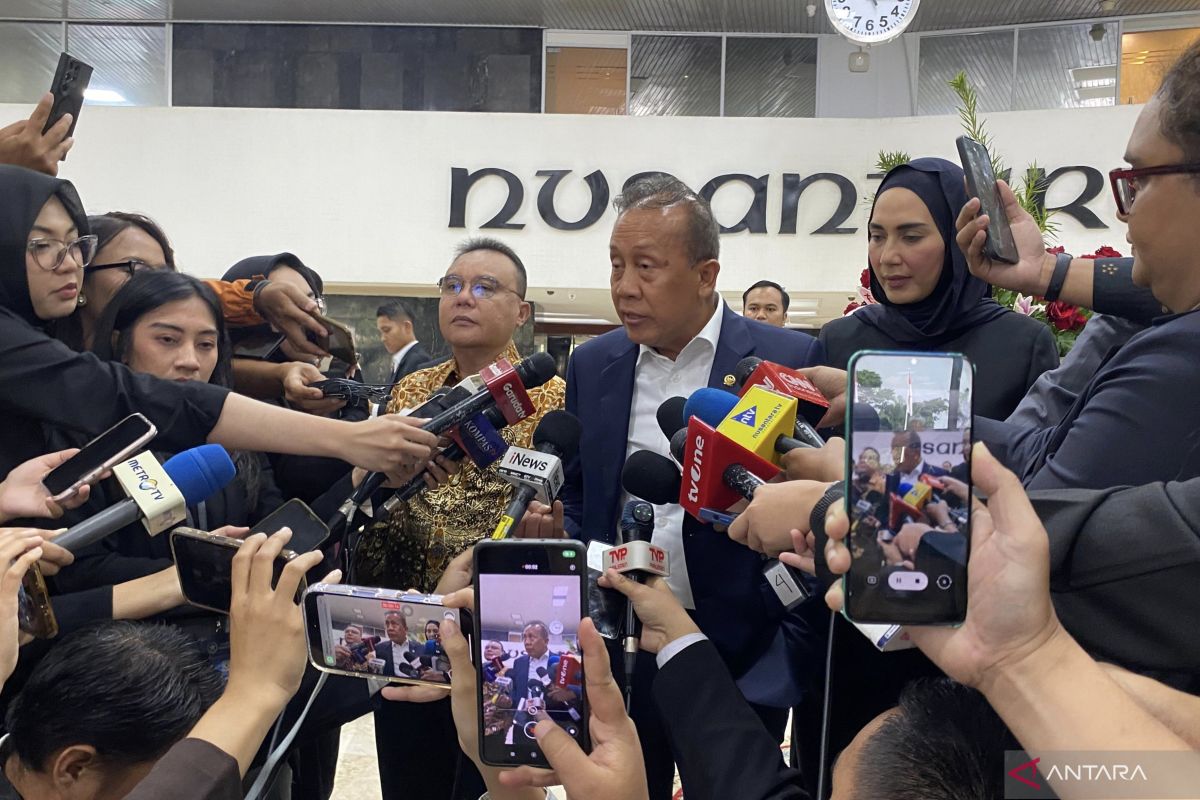
Deputy Speaker of the House of Representatives, Saan Mustopa, said President Prabowo Subianto’s address delivering the Macroeconomic Framework and the Core Principles of Fiscal Policy (KEM-PPKF) at the 19th Plenary Session of the DPR RI, during Session V of the 2025-2026 legislative year, signals optimism for the strengthening of the economy and the Rupiah. He stated that presenting the KEM-PPKF for the 2027 State Budget (RAPBN) directly by the President is evidence of the government’s commitment to building the economy next year. ‘I am confident there will be improvements and significant gains across all indicators cited by the President,’ said Saan at the parliamentary complex in Jakarta on Wednesday. He noted Prabowo also conveyed a narrative of patriotism and heroism to ensure the nation’s economic development aligns with Article 33 of the 1945 Constitution. He did not deny current fluctuations in the Rupiah against the US dollar, including the Composite Stock Price Index (IHSG), calling such movements normal. However, through his speech, he believes President Prabowo has signalled that the government has anticipated these fluctuations and is confident the economy and Rupiah can recover. Previously, the government had targeted the Rupiah to move within Rp16,800 to Rp17,500 per US dollar in the Macroeconomic Framework and the KEM-PPKF for the 2027 fiscal year. ‘Our fiscal and monetary strategy must be capable of keeping our exchange rate stable against world currencies,’ the President said during the DPR plenary session while presenting the KEM PPKF 2027 in Jakarta on Wednesday. The macro assumptions were set amid heavy pressure on the domestic currency, which briefly touched a record low of Rp17,706 per US dollar at the close of the spot market in mid-May 2026. Through a measured mix of fiscal policy, the government also projects domestic inflation to be tightly controlled within 1.5 to 3.5 percent to support the purchasing power of the people and exchange-rate stability.