
DPR: Prabowo's Visit to France Positions Indonesia as an Indo-Pacific Architect
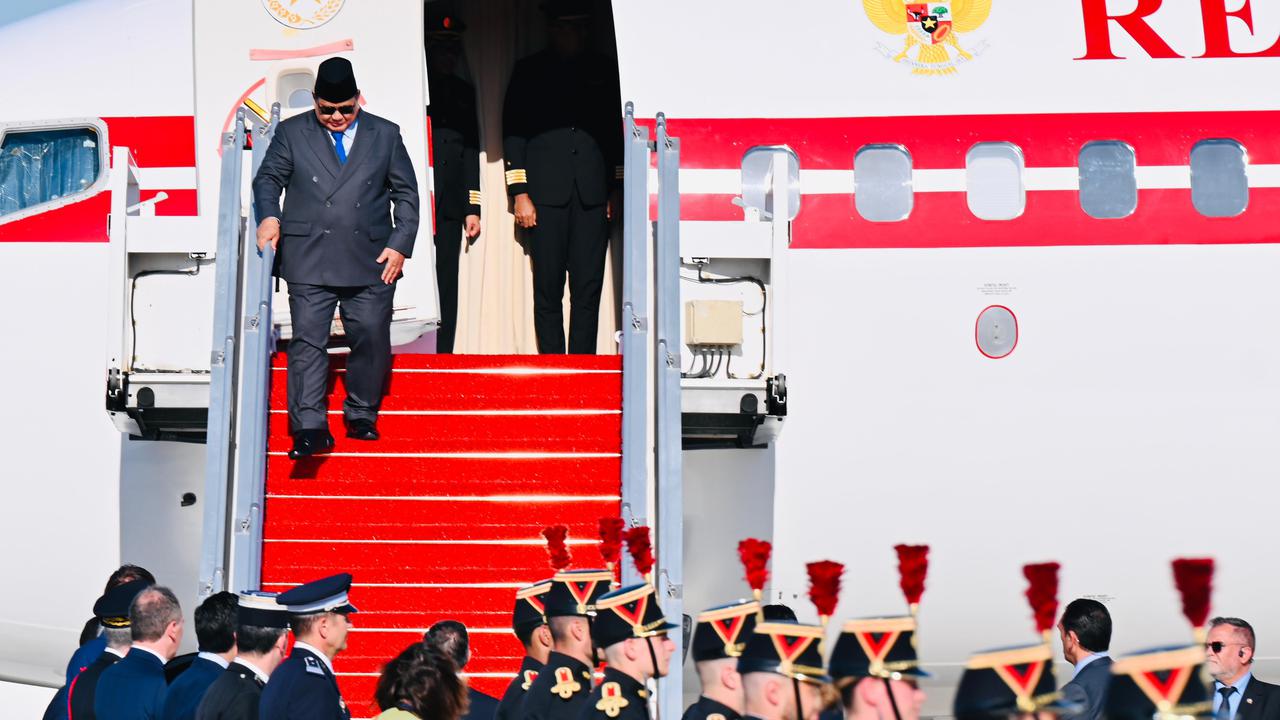
Azis Subekti, a member of the Indonesian House of Representatives (DPR RI) from the Gerindra Party, has assessed that President Prabowo Subianto’s state visit to France in May 2026 is far more than a standard bilateral mission. The visit represents a crucial momentum for Indonesia to begin acting as one of the primary architects designing the economic and security order of the Indo-Pacific region in the 21st century.
According to Azis, the world is currently facing the largest geopolitical shift since the end of the Cold War, with the economic centre of gravity and the busiest trade routes shifting entirely to the Indo-Pacific. “Indonesia is no longer standing on the periphery of the map. With a population of over 280 million, the largest economy in Southeast Asia, a strategic geographical position, and critical mineral reserves for future industries, Indonesia is increasingly viewed as a key nation,” Azis stated in a written release on Wednesday (3/6/2026).
Azis highlighted the pattern of diplomacy employed by President Prabowo recently, noting that Indonesia has successfully expanded its international relations without becoming tethered to any single global power bloc, such as the United States, China, Russia, or the Middle East. “Some may view this as diplomatic pragmatism. However, behind it lies a more fundamental logic: a nation that wishes to be a strategic actor must not be trapped as anyone’s satellite,” he remarked.
In this context, Azis noted that France’s position is highly strategic. As the only major European Union nation with significant military assets and a direct presence in the Indo-Pacific, President Emmanuel Macron’s recognition of Indonesia as a primary strategic partner reflects a significant leap in Jakarta’s bargaining power. The elevation of relations to a Comprehensive Strategic Partnership between Indonesia and France is expected to cover a modern ecosystem of national strength, integrating sectors such as defence, maritime security, clean energy, technological research, and critical mineral management.
Azis emphasised that the public should look at the broader implications of this diplomacy. The significance of the Paris visit lies not merely in the value of investment transactions worth billions of dollars, but in the opportunity for technology transfer and the improvement of human resource quality. “Diplomacy is not just an instrument of transaction, but an instrument of transformation. No nation advances simply by possessing natural resources; they advance by being able to connect resources, technology, capital, and national interests into one clear direction,” he explained.
In the modern era, Azis warned that national threats are no longer conventional, encompassing supply chain disruptions, cyber warfare, energy crises, and the struggle for strategic technology. Therefore, national security can no longer be separated from economic strength. He concluded that while the success of President Prabowo’s visit will be tested by the ability of both nations to execute commitments on the ground, this initial step proves that Indonesia refuses to be a mere spectator in global shifts.