
DPR Member Urges SPPG Incentives Not to be Calculated Solely on Free Nutritious Meal Portions
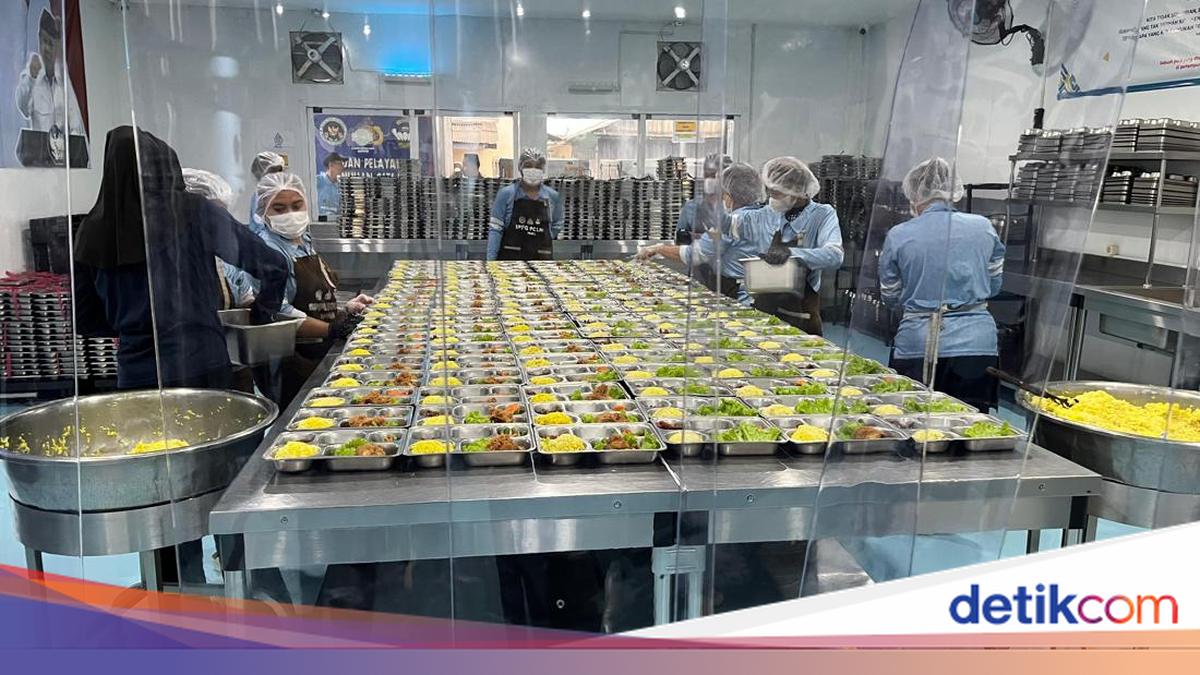
Nurhadi, a member of Commission IX of the Indonesian House of Representatives (DPR RI) from the NasDem Faction, does not object to the National Nutrition Agency (BPR) changing the incentives for nutrition service units (SPPG) so they are no longer standardised at Rp 6 million per day. Nurhadi believes the most important factor is that the incentives are sufficient to cover SPPG operational costs and maintain high service standards.
“In my view, the plan to evaluate the SPPG incentive scheme is a step we should support, because it is indeed inappropriate for all SPPGs to be given the same incentive amount when the number of portions, the scope of beneficiaries, geographical conditions, and operational burdens of each kitchen differ,” Nurhadi said when contacted on Friday (4/9/2026).
He noted that some SPPGs produce 2,000, 2,500, or even 3,000 portions, yet receive the same incentive of Rp 6 million per day. He stated that changes are acceptable as long as they are not solely oriented towards production volume.
“Incentives must be based on performance and the overall quality of service. This means that in addition to the number of portions, there must be indicators for food safety, fulfilment of nutritional standards, distribution accuracy, food ingredient quality, kitchen cleanliness and sanitation, compliance with SOPs, and the SPPG’s track record in providing service,” he said.
He added that a proper scheme is crucial as the Free Nutritious Meal (MBG) programme is currently facing concerns regarding food poisoning. “We must ensure that producing more portions does not simply lead to higher incentives without food safety and quality being the primary factors. The BGN has previously emphasised the ‘no service, no pay’ principle, meaning incentives can be suspended if an SPPG fails to meet operational standards or is unprepared to provide service,” he added.
Furthermore, Nurhadi hopes that the new regulations will be transparent and feature a clear formula, requesting that SPPGs are not left unaware of the basis for their incentive calculations.
“Regarding the amount, I believe Commission IX is not in a position to set a single figure before the BGN discloses the formula and cost studies. The principle is that incentives must be sufficient to support operations and maintain service quality, but must not become an disproportionate profit for the SPKG managers,” he explained.
“Ideally, the amount should be calculated based on real burdens: the number of portions, frequency of service, regional conditions, distribution distance, service complexity, and, of course, the achievement of food safety and quality standards,” he continued.
He reiterated that incentives should not be calculated based solely on the quantity of the MBG programme. “The incentive scheme should not become a reward for production quantity without providing an equally strong reward for food quality and safety,” he added.
Statement from the Head of BGN
The Head of the National Nutrition Agency (BGN), Sudaryono, stated that his agency will issue agency regulations (perbadan) regarding the changes to daily incentives for SPPG. He emphasised that incentives for SPPGs will no longer be standardised at Rp 6 million.
“I am currently processing the Agency Head Regulation (perbadan); we are just waiting for the timing. I hope it will be released today or tomorrow, so the incentives will be based on the new regulation I have issued,” Sudaryono said following a working meeting with Commission IX of the DPR RI in Senayan, Jakarta, on Thursday (3/9/2026).
Sudaryono noted that under the previous BGN leadership, incentives for every SPPG were standardised at Rp 6 million. He stated that moving forward, incentives will be provided based on the number of MBG portions produced by the SPPG.
“The evaluation is like this. The rules were made by the previous leadership. Some kitchens produce 3,000 portions, some 2,000, and some 2,500, yet all are paid Rp 6 million, which is unfair,” said Sudaryono.
“It is. This means if you produce 3,000 portions, you get Rp 6 million. But if you produce 2,000 portions and are paid Rp 6 million, then the nutritional content per portion would not be Rp 15,000,” he added.
Source: jawawa.id (https://jawawa.id/newsitem/dpr-member-urges-sppg-incentives-not-to-be-calculated-solely-on-free-nutritious-meal-portions-1788510078)
Originally published by detikcom (https://news.detik.com/berita/d-8648283/anggota-dpr-harap-insentif-sppg-tak-dihitung-hanya-dari-jumlah-porsi-mbg), translated from Indonesian