
DPR Member Urges Management of Used Electric Vehicle Batteries
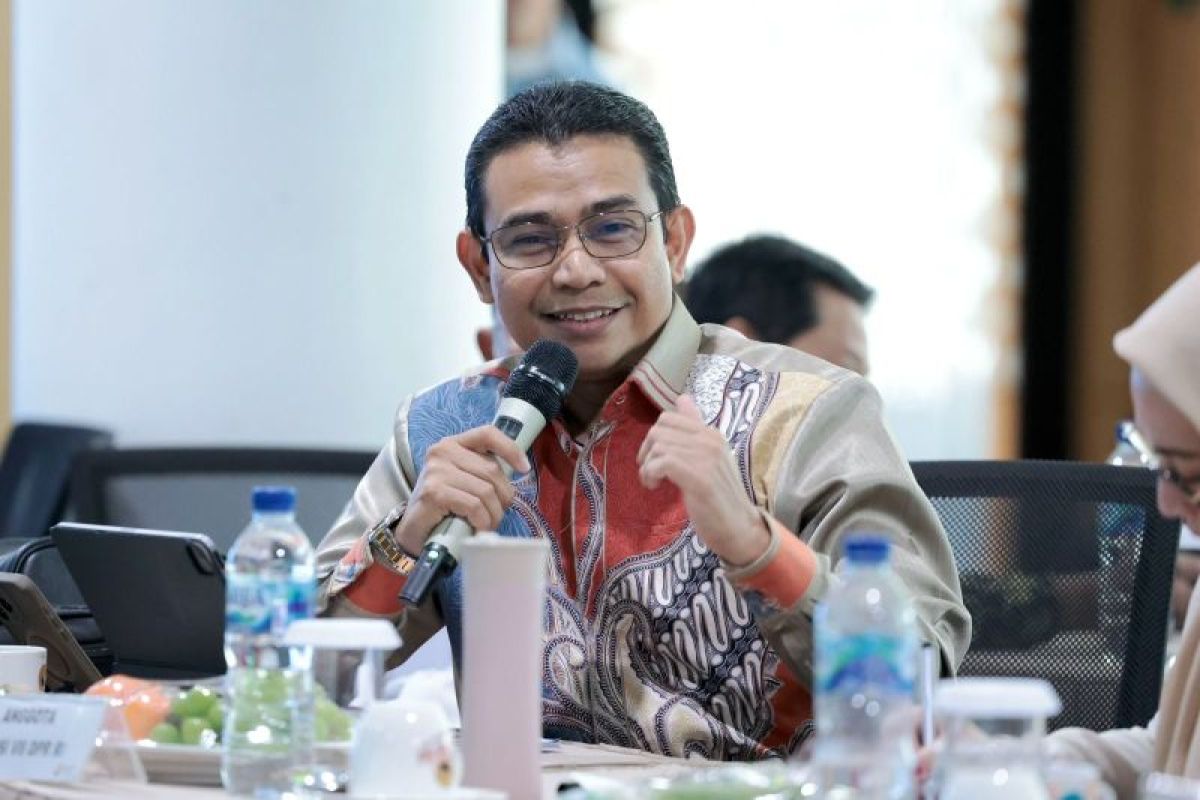
Jakarta (ANTARA) - A member of the Working Group for the Development of the National Electric Vehicle Industry Ecosystem and Competitiveness of Commission VII of the Indonesian House of Representatives (DPR RI), Hendry Munief, is urging the government and industry players to prepare a management system for electric vehicle batteries until the end of their lifespan to strengthen the circular economy ecosystem.
Speaking in Jakarta on Tuesday, Hendry stated that the development of the national electric vehicle industry should not focus solely on production and sales, but must also encompass industrial structure, Local Content Requirements (TKDN), standardisation, local partnerships, and the management of used batteries.
These remarks were made during a Public Hearing of the Commission VII Working Group with Periklindo, Aismoli, and AEML in Jakarta on Monday (21/9).
One of the topics discussed in the meeting was the transparency of used electric vehicle battery conditions through the State of Health (SoH) indicator.
Hendry noted that such information is vital so that consumers can understand the condition of the battery before purchasing a used electric vehicle.
“Consumers of used electric vehicles must receive clear information regarding their battery health. SoH transparency is essential to build market confidence and maintain the resale value of vehicles,” said Hendry.
He also encouraged the government and industry to prepare mechanisms for managing end-of-life batteries, including reuse and recycling in accordance with applicable standards.
“We must not allow the electric vehicle sector to grow rapidly only for used batteries to become a new problem. We must prepare the solutions now,” he said.
During the Working Group discussion, AEML was also asked to provide explanations regarding its members’ investment commitments in building a value chain for battery waste recycling or end-of-life batteries, as mandated by Presidential Regulation Number 55 of 2019.
Hendry stated that Indonesia could learn from the development of electric vehicle ecosystems in several countries, including battery standardisation in China, local industry partnerships through the EV3.5 scheme in Thailand, and the implementation of interoperability and recycling mandates in India.
“We need clear battery standards so that the industry can grow with certainty and consumers receive protection,” he said.
In addition to batteries, he encouraged partnerships with small and medium industries (IKM) to ensure that the involvement of domestic businesses does not stop at investment but extends into the electric vehicle supply chain.
“Partnerships should not end at investment. SMEs and local industries must be given space to enter the electric vehicle supply chain,” said Hendry.
According to him, the integration of the electric vehicle industry, batteries, infrastructure, financing, standardisation, and local partnerships is necessary to build a stronger ecosystem.
“Electric vehicles cannot stand alone. Industry, batteries, infrastructure, financing, standardisation, and local partnerships must be built as a single ecosystem,” he said.
Hendry added that the development of electric vehicles should be directed towards providing added value to the national economy through the strengthening of domestic industry.
“We must not merely become a market for electric vehicles. Indonesia must be capable of building an industry and an ecosystem that possesses competitiveness,” said Hendry.
“Therefore, do not just think about how to sell electric vehicles. We must think about how Indonesia can master the ecosystem,” he concluded.
Source: jawawa.id (https://jawawa.id/newsitem/dpr-member-urges-management-of-used-electric-vehicle-batteries-1790060744)
Originally published by Antara (Indonesian) (https://www.antaranews.com/berita/5752429/anggota-dpr-dorong-pengelolaan-baterai-bekas-kendaraan-listrik), translated from Indonesian