
DPR Member Samuel Wattimena: Culture Is a Major Asset for the Creative Economy
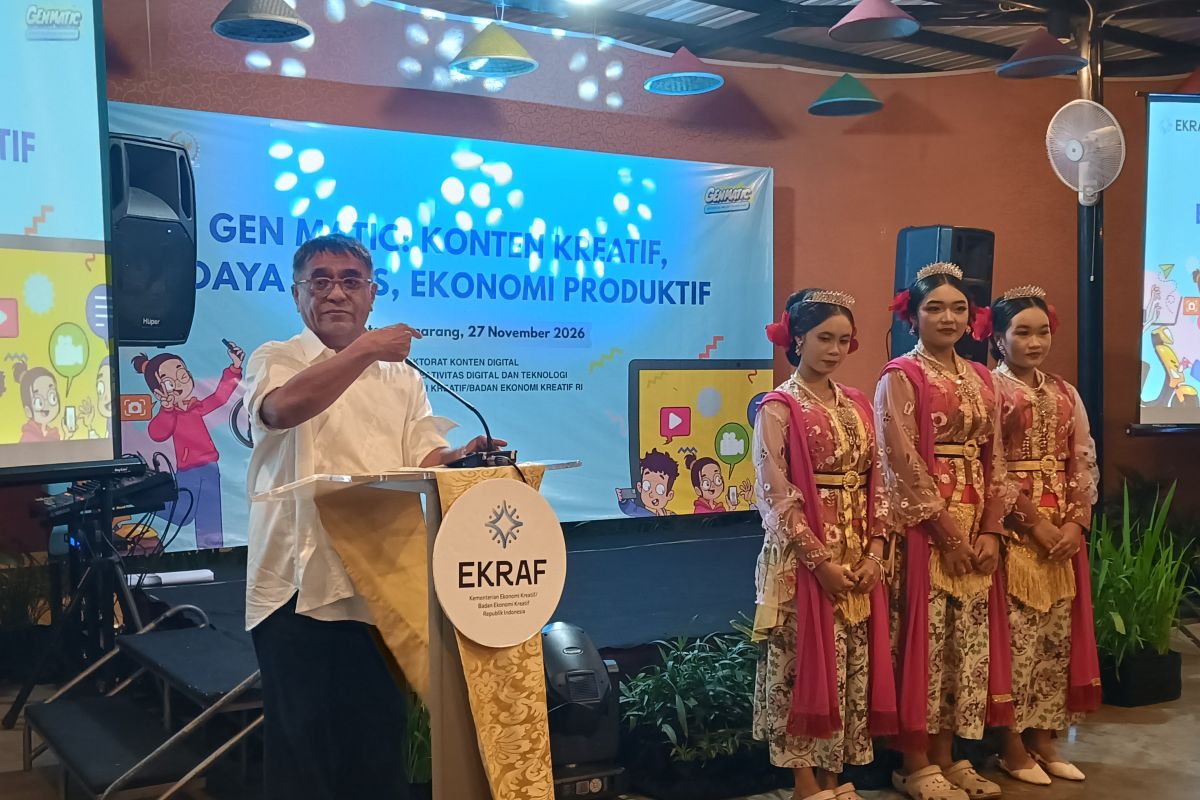
Semarang (ANTARA) - Samuel Wattimena, a member of Commission VII of the House of Representatives (DPR), said culture was a major asset for developing the creative economy, but had not yet been used to its full potential.
“Our main asset is culture. Why? Because we are the world’s largest archipelagic country,” he said at a Merti Desa creative economy technical guidance event in Semarang Regency on Friday evening.
As an archipelagic country, he said, each island or region has its own culture, including distinct languages, traditional clothing, ways of life and regional foods.
“We have overlooked that. We are busy browsing Korean films and looking at what life is like in other countries. Then we want to imitate them,” he said.
He said Indonesia’s culture could instead provide a major foundation for the creative economy, with traditions such as Merti Desa capable of being developed commercially.
“People generally understand Merti Desa as cleaning up a village or hamlet. But this cleaning is not just communal work; it carries cultural meaning,” he said.
Merti Desa ceremonies are often accompanied by a range of cultural activities, including kenduri communal feasts, carnivals, processions featuring mountain-shaped offerings, and cultural performances.
Wattimena also highlighted the role of Gen Matic (the Technology-Literate Generation), the theme of the event and a Ministry of Creative Economy programme to develop content creators, professional affiliate marketers and regional digital talent.
He said Gen Matic could play a major role in developing the creative economy, but participants needed to understand the subjects they promoted through content, particularly culture.
“The key to the creative economy is to promote culture electronically and digitally. The task of senior citizens and community elders is to provide accurate information about our culture,” he said.
Sabartua Tampubolon, secretary of the deputy for digital and technological creativity at the Ministry of Creative Economy, said Indonesia also had a cultural advantage.
“We may not be able to keep up in technology, but I am optimistic that we can match other countries in creativity. We have resources and culture,” he said.
He hoped Indonesia’s cultural wealth would be explored and showcased through music and film content, creating added value for the creative economy.
He acknowledged that many regional resources, strengths and opportunities had yet to be used creatively to generate economic value, although they were at the heart of the creative economy.
“The creative economy is the realisation of added value from intellectual property arising from human creativity and based on cultural heritage and knowledge,” he said.
Source: jawawa.id (https://jawawa.id/newsitem/dpr-member-samuel-wattimena-culture-is-a-major-asset-for-the-creative-economy-1795801889)
Originally published by Antara (Indonesian) (https://www.antaranews.com/berita/5884019/anggota-dpr-samuel-wattimena-budaya-jadi-modal-besar-ekonomi-kreatif), translated from Indonesian