
DPR Member Reminds Industrial Estates of Buffer Zone Obligations
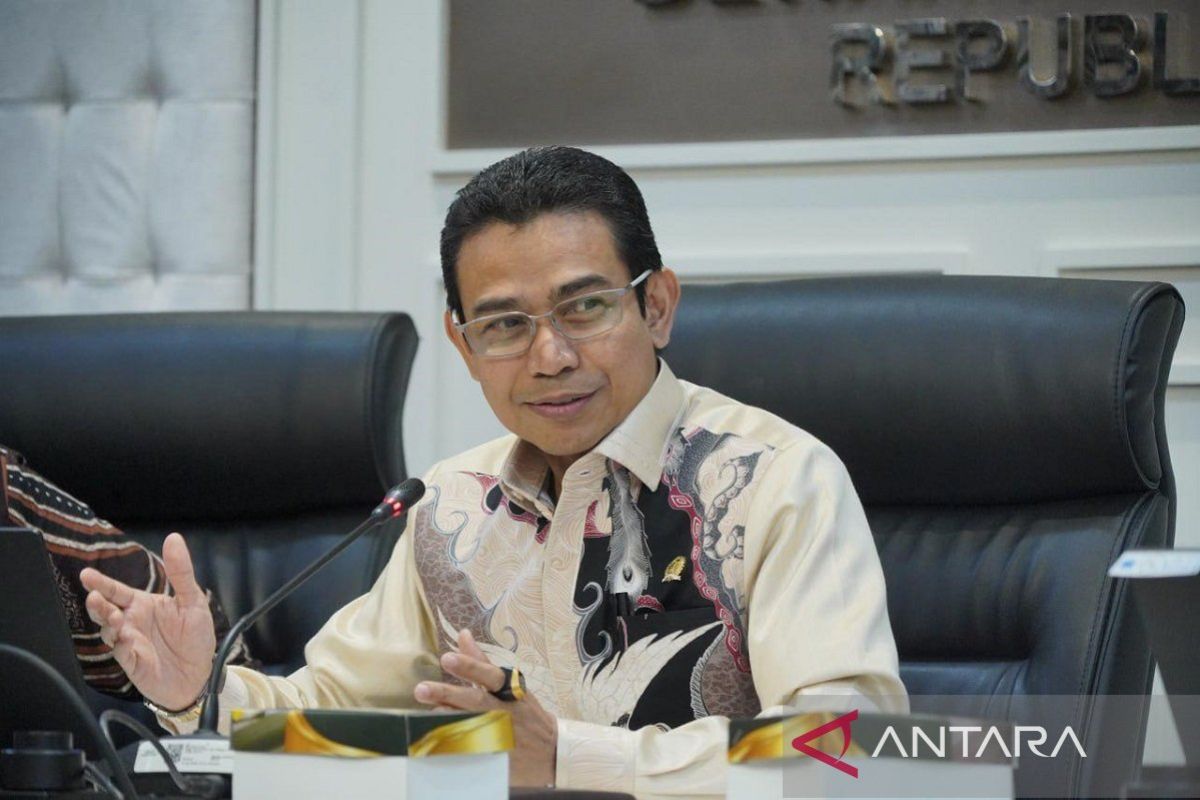
Jakarta (ANTARA) - Hendry Munability, a member of Commission VII of the Indonesian House of Representatives (DPR RI), has reminded business operators of their obligation to manage buffer zones when developing industrial estates.
In a statement received in Jakarta on Friday, Munief noted that this obligation is regulated under Law Number 3 of 2014 concerning Industry, as well as derivative regulations governing the development of environmentally friendly and sustainable industrial estates. Furthermore, environmental protection aspects are also governed by Law Number 32 of 2009 concerning Environmental Protection and Management.
“The regulations clearly mandate that every industrial estate must consider environmental carrying capacity and the safety of the surrounding community. The buffer zone is a part of that. If this is ignored, the potential for social conflict and environmental damage will increase,” he said.
A member of the Industrial Estate Working Committee (Panja), Munief revealed that he has received significant input from the public regarding industrial estates that have not optimally implemented buffer zones. He emphasised the importance of industrial companies paying attention to the existence of buffer zones, which are crucial elements in maintaining the balance between industrial activities, the environment, and the social life of surrounding communities.
“We in the Industrial Estate Working Committee have received feedback regarding the lack of adequate buffer zones. Buffer zones in industrial estates are vital for protecting citizen safety, preserving the environment, and mitigating hazard risks. These empty areas or green open spaces separate factory locations from residential areas,” Munief stated.
According to him, industrial estates should not only be oriented towards economic growth but must also prioritise environmental sustainability and community comfort. He continued that buffer zones serve as separation areas that can minimise the negative impacts of industrial activities on residential areas through vegetation planting, green open spaces, and the establishment of safe distances.
He also emphasised that the management of buffer zones is not merely an option but a legal obligation stipulated in various regulations. Munief encouraged a balance between the industrial sector, the environment, and the community. He also called upon local governments and industrial estate managers to be more serious in designing and managing buffer zones according to applicable standards.
Munief expressed hope that, moving forward, no industrial estates would ignore these buffer aspects. He assessed that the success of industrial development should not only be measured by investment and production but also by the extent of the positive impact felt by the community without sacrificing the environment.
“Industrial development must go hand in hand with environmental protection and community welfare. A buffer zone is not just a supplement, but a primary necessity in creating sustainable industrial estates,” he concluded.