
DPR member proposes special team to evaluate decile data for KIP recipients
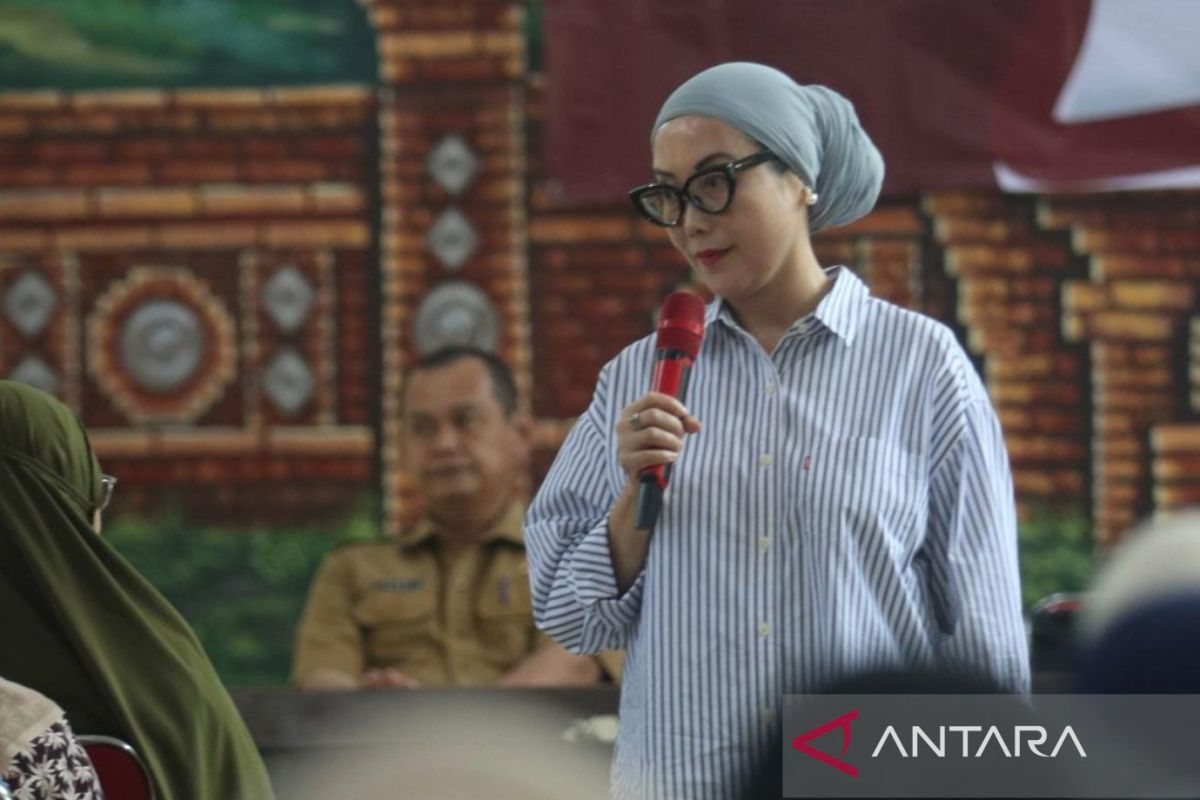
A member of Commission VIII of the Indonesian House of Representatives (DPR RI), Selly Andriany Gantina, has proposed the formation of a special team to comprehensively evaluate decile data, in order to ensure that the distribution of the Smart Indonesia Card (KIP) remains accurately targeted.
Selly, in a statement in Cirebon, West Java, on Tuesday, said the evaluation is necessary to ensure that the National Socio-Economic Single Data (DTSEN) used by the government truly reflects the condition of society and does not hinder access for vulnerable families to education assistance.
“What must be examined is the quality of the data, the methodology, the updating, and the verification mechanism,” said Selly.
According to her, DTSEN is a positive step by the government to build a more integrated socio-economic database. However, she continued, the data update needs to be strengthened with field verification so that changes in decile categories correspond to the actual economic conditions of families.
Selly asked the government not to use decile as the sole measure in determining the eligibility of social protection recipients, especially for people who are already receiving programme benefits.
“Data administration must not threaten the continuity of student assistance,” she said.
Selly noted that the assessment of a family’s economic condition covers various variables, such as housing conditions, sanitation, water and electricity sources, income, expenditure, assets, and the condition of family members.
Therefore, she requested that data updates be carried out periodically through coordination between the Ministry of Home Affairs (Kemendagri), the Ministry of Social Affairs (Kemensos), Statistics Indonesia (BPS), and relevant ministries and agencies.
In addition, Selly proposed temporary protection for aid recipients who are near the decile change threshold until the verification and data matching process is completed.
“People must not lose their rights simply because of a decile change that does not yet reflect their family’s real economic condition,” she said.
She expressed hope that the evaluation and re-matching can improve data accuracy while ensuring that children from families in need continue to obtain access to education through KIP.