
DPR Member Highlights Asset Seizure Without Criminal Conviction in Discussions on Asset Forfeiture Bill
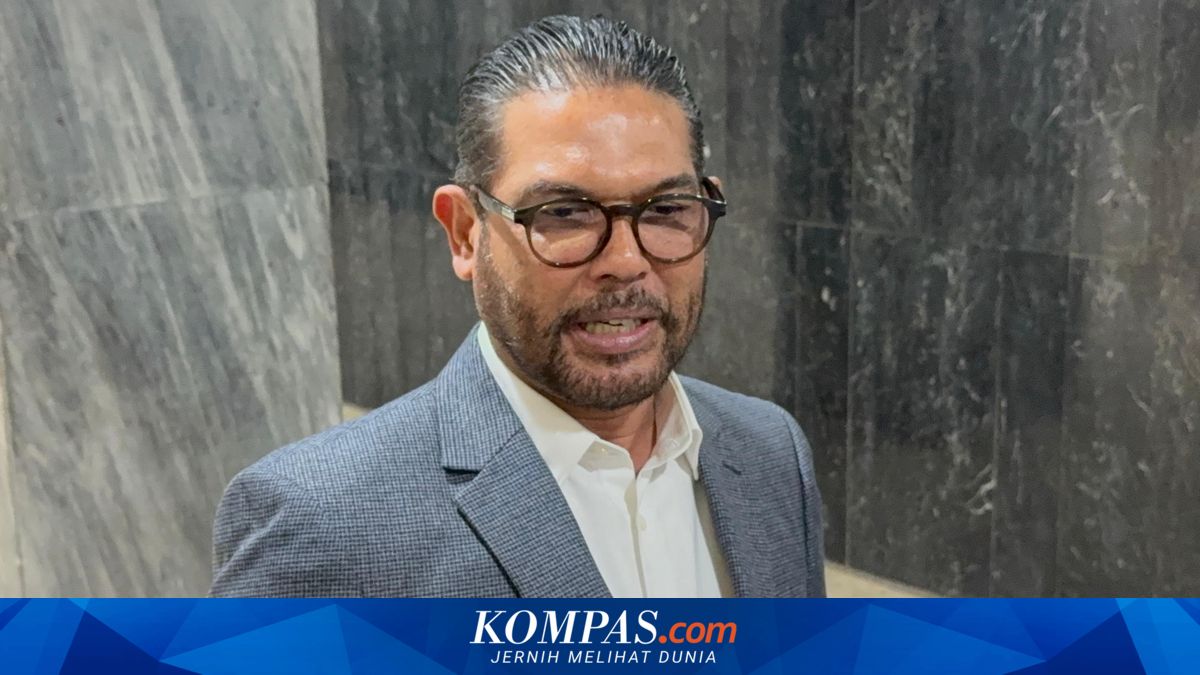
JAKARTA - A member of the DPR’s Commission III, Nasir Djamil, has highlighted the mechanism for asset forfeiture without awaiting a criminal conviction in the draft law (RUU) on Asset Forfeiture Related to Criminal Acts.
“How can forfeiture then be carried out through a court decision without requiring a criminal conviction?” Nasir stated during the general hearing (RDPU) of Commission III of the DPR discussing the RUU on Asset Forfeiture on Monday (6/4/2026).
This is especially pertinent given the suboptimal enforcement of law and Indonesia’s Corruption Perceptions Index.
“As we know, the state has coercive power to enforce law and order. And that is one path to justice, but if we look at the portrait of the rule of law in Indonesia, it is still far from expectations,” Nasir said.
Regarding perpetrators who die or flee, leading to dropped prosecutions, suboptimal asset management, and limited international cooperation,” Nasir added.
Previously, the Head of the DPR RI Expert Body (BK), Bayu Dwi Anggono, explained that assets of suspects or defendants in corruption cases who pass away can be seized through the RUU on Asset Forfeiture Related to Criminal Acts.
This was stated when explaining the legal procedure or mechanism for asset forfeiture without being based on a criminal conviction or non-conviction based forfeiture (NCBF).
“This means without being based on a criminal conviction against the perpetrator of the criminal act under the criteria as regulated in Article 6,” Bayu said during the hearing (RDP) on the RUU on Asset Forfeiture with Commission III of the DPR on Thursday (15/1/2026), quoted from the Youtube broadcast of TVR Parlemen.
“For example, if the suspect or defendant passes away, flees, suffers permanent illness, or their whereabouts are unknown,” he continued.
“In such asset forfeiture, it is carried out based on a criminal conviction against the perpetrator of the criminal act. So the criminal process is conducted first until it has legal force against the perpetrator of the criminal act,” Bayu explained.
Bayu also outlined the types of assets that can be forfeited by the state in the draft RUU on Asset Forfeiture.
“Regarding the types of assets that can be forfeited, the first is criminal assets that are known or reasonably suspected to have been used or were used as tools or means to commit a criminal act or to obstruct the judicial process,” Bayu said.
“The second is assets resulting from criminal acts,” Bayu added.
In addition, the RUU on Asset Forfeiture also regulates the forfeiture of other assets legally owned by the perpetrator of the criminal act, as long as those assets are used to pay for state losses.
“The third is other legitimate assets of the criminal perpetrator to pay for losses equal to the assets that have been declared forfeited by the state,” Bayu stated.