
DPR Member: E10 Programme Strengthens Energy and Food Security
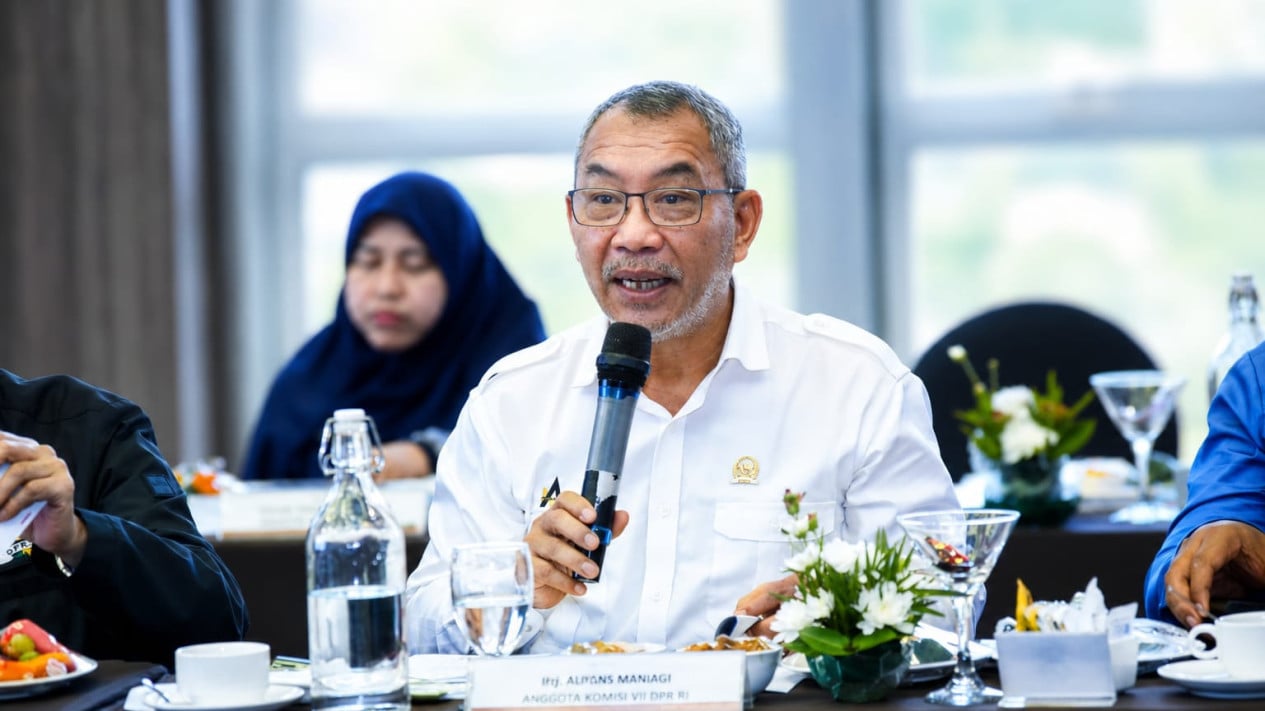
House of Representatives Commission XII member Alfons Manibui has welcomed the government’s move to target the implementation of 10 per cent bioethanol blended fuel (E10) starting in 2027. He stated that the policy is a crucial strategy to strengthen national energy security whilst simultaneously encouraging the development of the agricultural sector, the bioethanol industry, and the downstream processing of domestic resources.
Alfons noted that the successful implementation of biodiesel up to B50 serves as important capital for Indonesia to develop bioethanol. The E10 programme is not solely aimed at reducing dependence on imported fuel, but also opens opportunities for the growth of industries based on agricultural commodities such as sugarcane, molasses, and cassava.
‘We appreciate the step taken by President Prabowo Subianto, which is being implemented by Energy and Mineral Resources Minister Bahlil Lahadalia in preparing the E10 mandate starting in 2027. This is not merely a fuel blending programme, but part of a grand strategy to build energy self-sufficiency through the utilisation of domestic resources,’ Alfons said in a statement on Wednesday, 22 July 2026.
According to Alfons, the government has prepared a bioethanol development roadmap targeting a production capacity increase to 1.28 million kilolitres, supported by the construction of 30 to 50 bioethanol plants and the development of approximately 920,000 hectares of land for raw materials. He emphasised that the initial use of molasses, a by-product of the sugar industry, is the most economical choice as it can boost bioethanol production without disrupting the national sugar supply.
In the long term, the development of sugarcane and cassava must continue to be encouraged so that Indonesia can meet its bioethanol needs from domestic production while simultaneously improving farmers’ welfare. ‘The E10 programme has dual benefits. Besides strengthening energy security by reducing fuel imports, this policy also acts as a stimulus for food security because it encourages increased sugarcane productivity, strengthens the sugar industry, opens markets for agricultural products, and accelerates downstream processing in the agricultural sector. Thus, the energy and food sectors can grow together as the foundation of national self-sufficiency,’ he stated. Alfons affirmed that Commission XII of the House of Representatives will continue to oversee the implementation of E10 to ensure it is carried out in stages, supported by industrial readiness, and prioritises domestic raw materials.