
DPR member calls for stronger psychosocial support for NTT earthquake victims
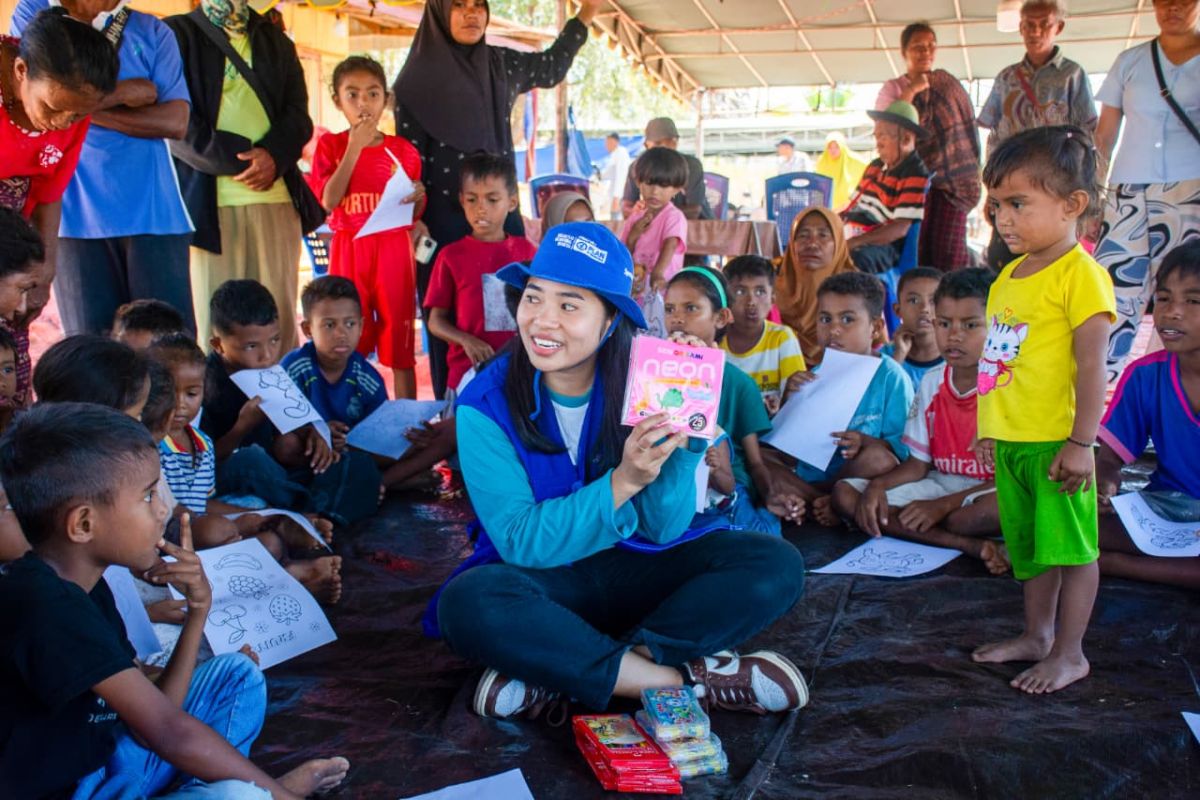
Member of Commission IX of the Indonesian House of Representatives (DPR RI) Netty Prasetiyani has called on the government to strengthen psychosocial support and mental health services for communities affected by the earthquake in Nusa Tenggara Timur (NTT).
According to Netty, quoted in Jakarta on Friday, the measure is important to anticipate psychological impacts that may emerge from the emergency response period through to post-disaster recovery.
“During a working meeting with the Health Minister yesterday, I also asked and provided input on strengthening psychosocial support and mental health in the post-earthquake handling in Flores, NTT,” she said.
She emphasised that disaster management is not sufficient if it focuses only on the physical condition of victims, but must also pay attention to the mental health of affected communities, including health workers and volunteers serving in the field.
Netty highlighted the case of a young man with the initials LM (20) in Nggolonio Hamlet, Nagekeo Regency, NTT, who was found dead near a refugee tent on Thursday (20/8). LM is suspected to have suffered severe depression and anxiety due to the recurring aftershocks in the area.
Netty further noted that psychosocial support is needed not only by affected communities but also by health workers, reserve health personnel (TCK), and volunteers. The workload and pressure during humanitarian missions, she said, have the potential to affect the physical and mental condition of personnel.
“Because disaster management conditions are quite heavy and health workers and volunteers often also bear the mental burden, strengthening mental health facilities for them is needed,” said Netty.
In addition to mental health support, Netty believes the government needs to ensure a protection system for health workers, SAR teams, and volunteers serving in disaster areas.
According to her, the safety of personnel must be an important part of every humanitarian operation so that no additional casualties emerge from among the rescuers.
“This system is to ensure that there is no need for additional loss of life. The government must also provide education to all volunteers on duty to ensure they can save themselves first before saving others,” she said.