
DPR Member: Babinsa Welfare Vital for Regional Stability
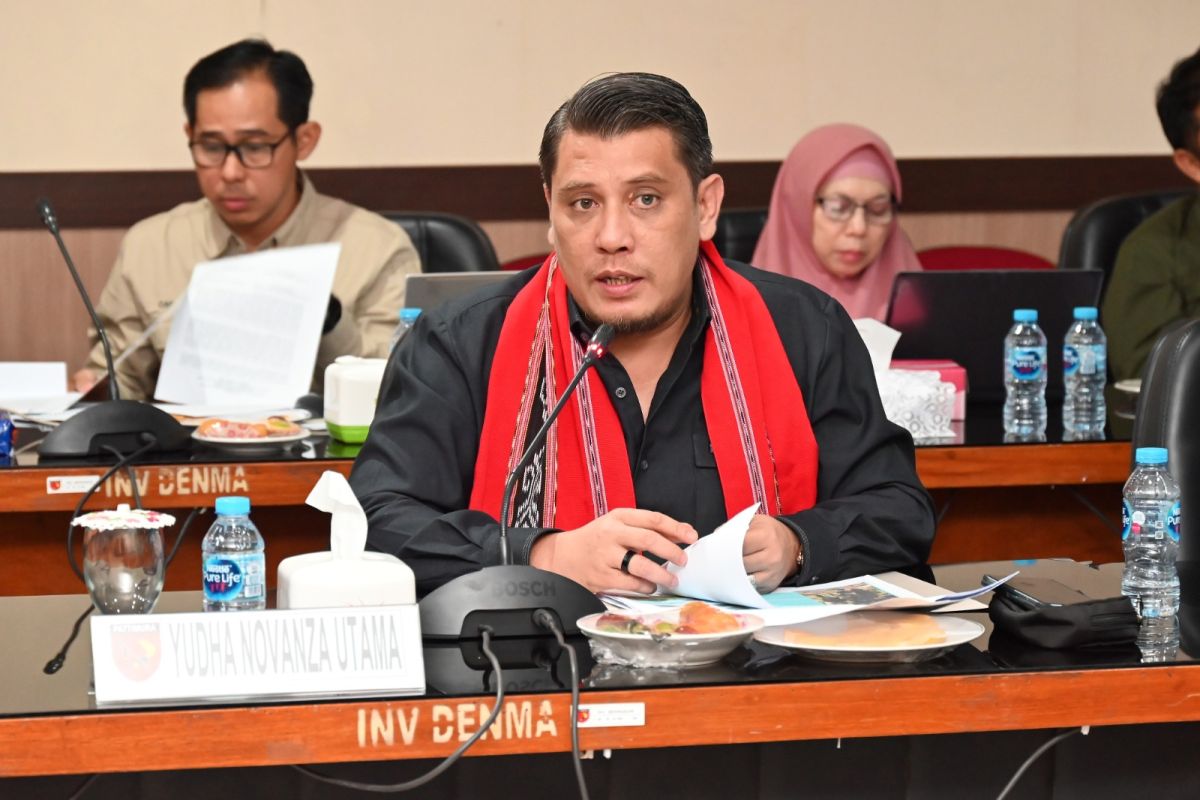
Jakarta (ANTARA) - Komisi I DPR RI member Yudha Novanza Utama has called for the government to take the welfare of Babinsa (TNI village-level personnel) seriously, given their increasingly strategic role in maintaining regional stability and acting as the military’s frontline in communities.
Through regional recess agendas and Komisi I DPR RI field visits, he noted that Babinsa personnel face challenges regarding operational support and welfare on the ground. He stressed that Babinsa are among the closest military units to the public.
“They not only carry out territorial development functions but also engage in various community social issues, assist disaster management, support food security programmes, and maintain regional stability,” Yudha said in Jakarta on Monday.
He argued that the current conditions demand a balanced support system matching the workload with operational facilities and welfare for junior-level soldiers.
“I see the issue isn’t just about allowance amounts, but how the state ensures frontline territorial task personnel have adequate support for optimal task execution,” he said.
He believes operational support for field personnel should be regularly reviewed. Currently, junior-level personnel, including Babinsa, receive around Rp900,000 monthly in operational allowances, which need adjustment to reflect regional challenges, the extent of their coverage, and evolving operational needs.
“Their operational areas are vast and duties are demanding. Some personnel must be present in communities daily under varying regional conditions,” he said.
“Areas range from expansive geographical regions to island clusters and high-cost-of-living zones. Therefore, operational and welfare policies must consider on-ground realities,” he added.
In modern defence perspectives, he stressed that national defence strength depends not only on weaponry and systems but also on the readiness of human resources executing defence functions at the lowest level.
“Therefore, attention to personnel welfare must be viewed as an investment in national defence effectiveness,” he said.