
DPR Member Asserts PPPK Cannot Be Laid Off Due to Budget Efficiency
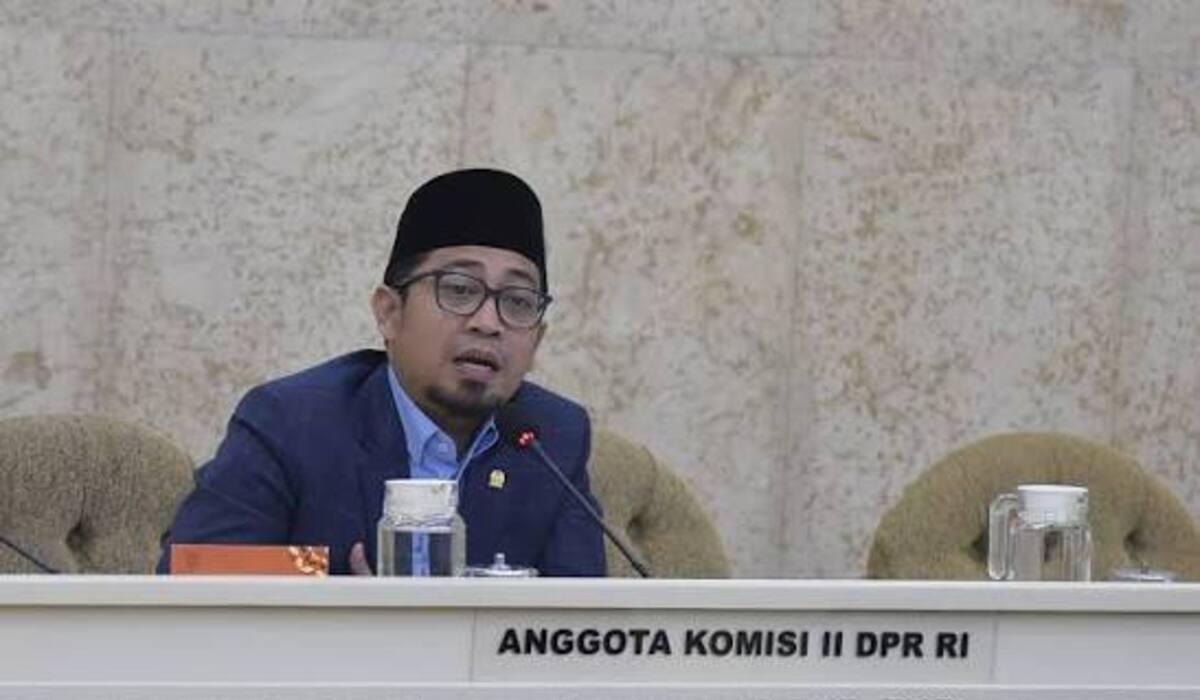
A member of the House of Representatives (DPR) Commission II, Muhammad Khozin, has asserted that Pegawai Pemerintah dengan Perjanjian Kerja (PPPK) should not be laid off. He stated that the government has a constitutional obligation to guarantee their rights as part of the State Civil Apparatus (ASN).
“PPPK should not be laid off because it is the government’s obligation to pay the salaries of PPPK as state civil servants,” Khozin said in an official statement in Jakarta on Tuesday (14/7/2026).
The statement was made in response to news regarding the threat of termination or furloughs for PPPK in several regions due to budget efficiency measures. Khozin stressed that local governments should have conducted mature apparatus planning from the outset, ensuring that personnel additions align with real needs and fiscal capacity.
Khozin argued that if a region’s fiscal condition is difficult, the local government should not use staff reduction as a shortcut. He suggested that efficiency measures be applied to non-essential operational expenditures instead. “If the region’s fiscal situation is indeed difficult, efficiency should be achieved not by laying off PPPK, but by cutting non-essential and ceremonial spending,” he asserted.
He provided concrete examples, such as reducing official travel budgets, postponing non-urgent seminars, and eliminating other ceremonial agendas that do not directly impact public services.
As a legislator overseeing regional autonomy, Khozin urged the Ministry of Administrative and Bureaucratic Reform, the National Civil Service Agency (BKN), and the Ministry of Home Affairs to immediately conduct a national audit regarding PPPK formations and financing. This audit must include mapping of agencies, service functions, contract durations, and the capacity of regional budgets (APBD) to finance employees until the end of their work agreements.
He also called for a stricter formation approval mechanism in the future. Proposals for formations from regions must be accompanied by a fiscal capacity analysis. “The central government should not approve formations based solely on the number of non-ASN personnel that need to be managed without ensuring the sustainability of their financing,” Khozin stated.
Furthermore, Khozin proposed a classification of regions based on employment fiscal risk. Regions with low locally-generated revenue (PAD) that are highly dependent on central transfers should receive special supervision before being granted permission to increase formations.
Commission II of the DPR RI is committed to ensuring that the rights and status of PPPK are not used as a short-term budget adjustment variable. The structuring of the apparatus must be oriented towards bureaucratic professionalism, rather than creating uncertainty for employees. “If the government decides on an appointment, there must be certainty regarding the source of salary, performance evaluation, contract extension, and competency development pathways,” he concluded.