
DPR Maximises Public Participation in Polri Bill, Habiburokhman Says
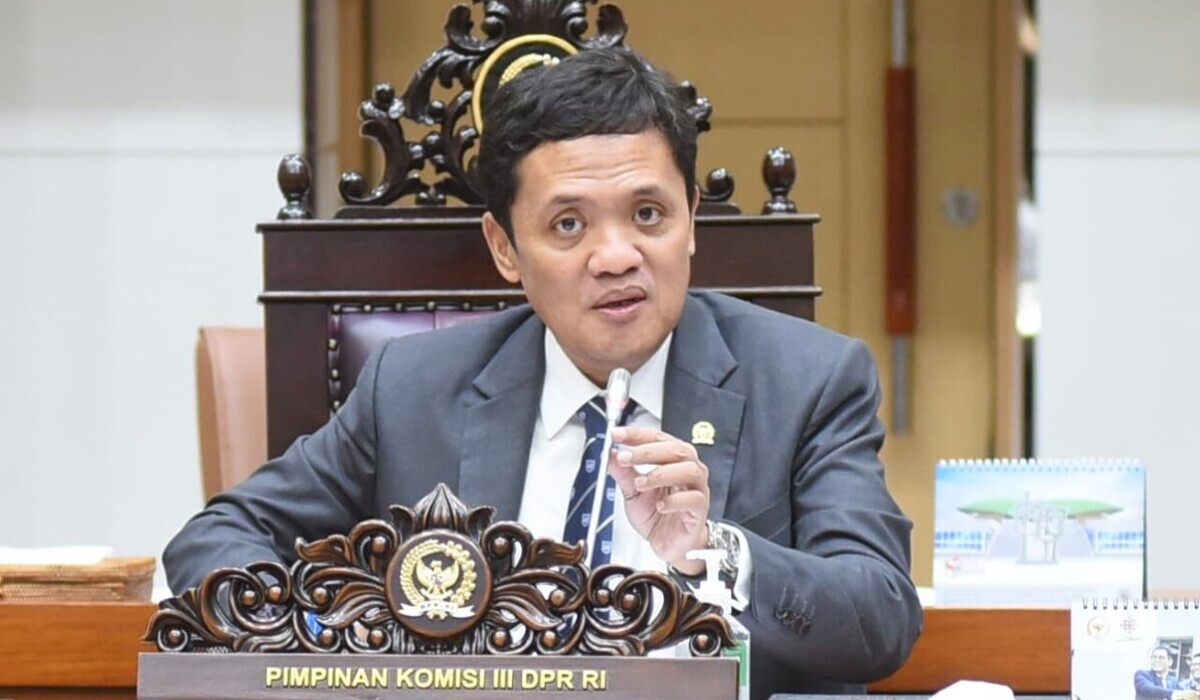
The House of Representatives (DPR) has maximised meaningful public participation in the process of deliberating and passing the Bill on the Third Amendment to Law No. 2 of 2002 on the National Police of the Republic of Indonesia (Polri Law). Commission III head Habiburokhman stated that the series of public consultations began during the preliminary drafting phase, long before the working committee officially began its marathon sessions on 25 May 2026. “We can confirm that meaningful participation in the drafting of this law has been substantially maximised. During the drafting phase, we held at least 12 public hearings to receive input from the public regarding this Polri Law,” Habiburokhman said during a DPR Plenary Session on Tuesday (9/6/2026). Habiburokhman added that Commission III also conducted specific working visits to 12 provinces across Indonesia to gather direct input from civil society elements and academics at various universities. Cumulatively, during that initial drafting phase, the DPR invited at least 15 experts from various disciplines, 6 community groups, and 3 alliances of student organisations to provide the best formulation for reform efforts within the Polri. Habiburokhman maintained that transparency and openness were consistently upheld as the Polri Bill entered the deliberation phase. He detailed that during this phase, the commission again held 12 follow-up public hearings, presenting 16 legal experts, 2 public occupational health and safety experts, 3 student alliances, and receiving 124 written submissions from various community organisations. The DPR officially passed the Bill into law during the plenary session chaired by Deputy Speaker Sufmi Dasco Ahmad. “The time has come for us to ask for the approval of the factions on the Bill on the Third Amendment to the Law on the National Police of the Republic of Indonesia. Can it be approved to be passed into law?” Dasco asked the forum, which was met with a unanimous chorus of “Agreed!” from attending members across all factions. The newly enacted Polri Law contains several amended provisions, including adjustments to the mandatory retirement age for officers ranging from enlisted ranks to high-ranking officers, the strengthening of the National Police Commission, and the placement of Polri personnel in civilian posts. Regarding the retirement age, members aged 56 at the time the law comes into force are subject to its provisions. Members aged 57 may have their retirement extended to 59, and those turning 58 this year may also be extended to 59. The law also revises the compulsory retirement age for the Chief of the National Police to 60, with a provision allowing the President to extend the tenure of the four-star general based on need.