
DPR Legislator Criticises BI Governor: US Dollar Hits Rp17,600, Yet Still Called Stable!
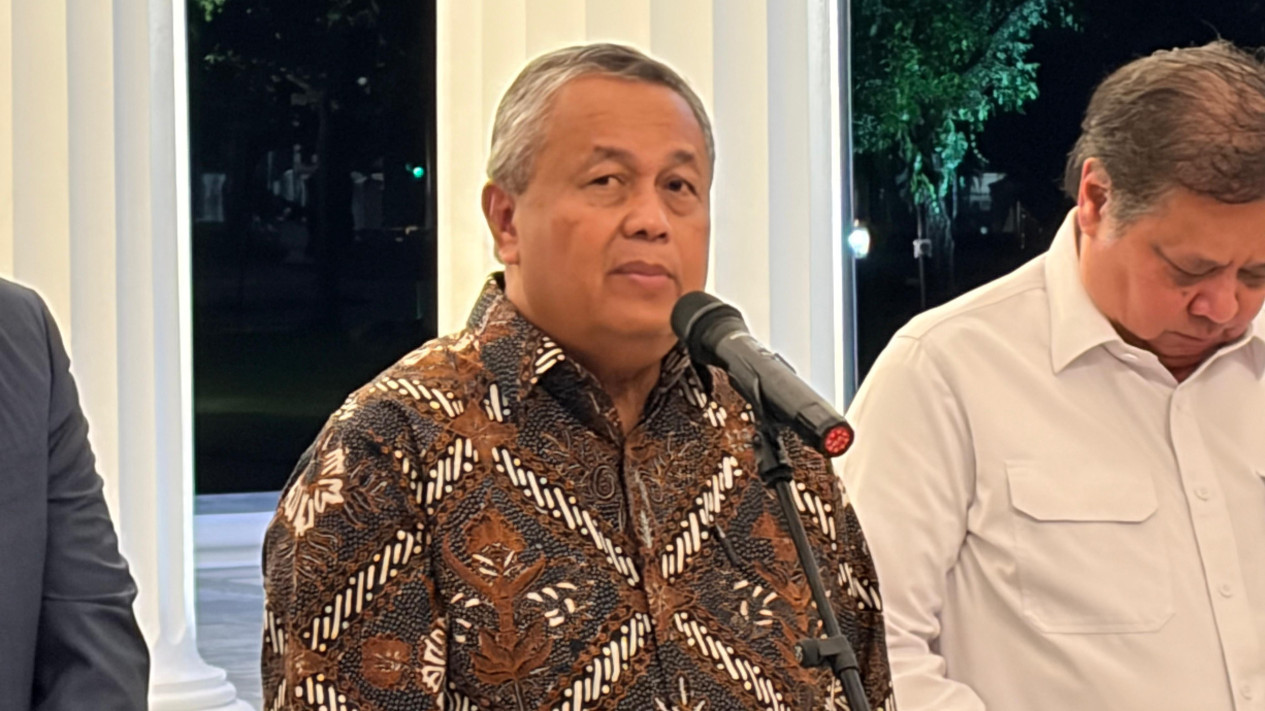
Harris Turino, a member of Commission XI of the Indonesian House of Representatives (DPR) from the PDI Perjuangan (PDIP) faction, has criticised Bank Indonesia (BI) Governor Perry Warjiyo regarding the weakening of the rupiah against the US dollar. Harris expressed frustration with Perry’s repeated assertions that the rupiah exchange rate remains stable, despite the currency hitting a level of Rp17,672 per US dollar during recent trading.
He also highlighted public mockery regarding the exchange rate, noting that if the rupiah reaches Rp17,845, the figure would mirror Indonesia’s independence date, 17-8-45. These remarks were made during a working meeting between Commission XI and Bank Indonesia at the Parliament Complex in Senayan, Jakarta, on Monday, 18 May 202<0xA0>6.
“We know that colleagues mentioned the rate has reached Rp17,600. There is even mockery that if it hits Rp17,845, it represents Indonesia’s Independence, 17-8-45. Yet, you (Perry Warjiyo) say the rupiah is stable, or relatively stable, compared to other countries,” said Harris.
He further scrutinised Bank Indonesia’s measures to stabilise the rupiah, including interventions in the money market which have reportedly reduced foreign exchange reserves from US$156 billion to US$146 billion. He also pointed to the rise in SRBI (Bank Indonesia Rupiah Securities) yields to 6.41 per cent, the purchase of Government Securities (SBN) amounting to Rp332 trillion throughout 2025 plus an additional Rp133 trillion, and the tightening of US dollar purchases.
“The critical question is, all instruments available to BI have been utilised, so why does the rupiah continue to depreciate?” he asked.
According to Harris, the weakening of the rupiah is influenced by various domestic factors, ranging from fiscal issues and current account deficits to significant capital outflows. “It must be admitted that there are serious domestic problems. There are fiscal issues, current account deficit issues, large-scale capital outflows, and issues regarding investor confidence in the Indonesian economy,” he concluded.