
DPR Legislative Body Reviews Limited Revision of Anti-Corruption Law; UGM Experts Suggest Comprehensive Overhaul
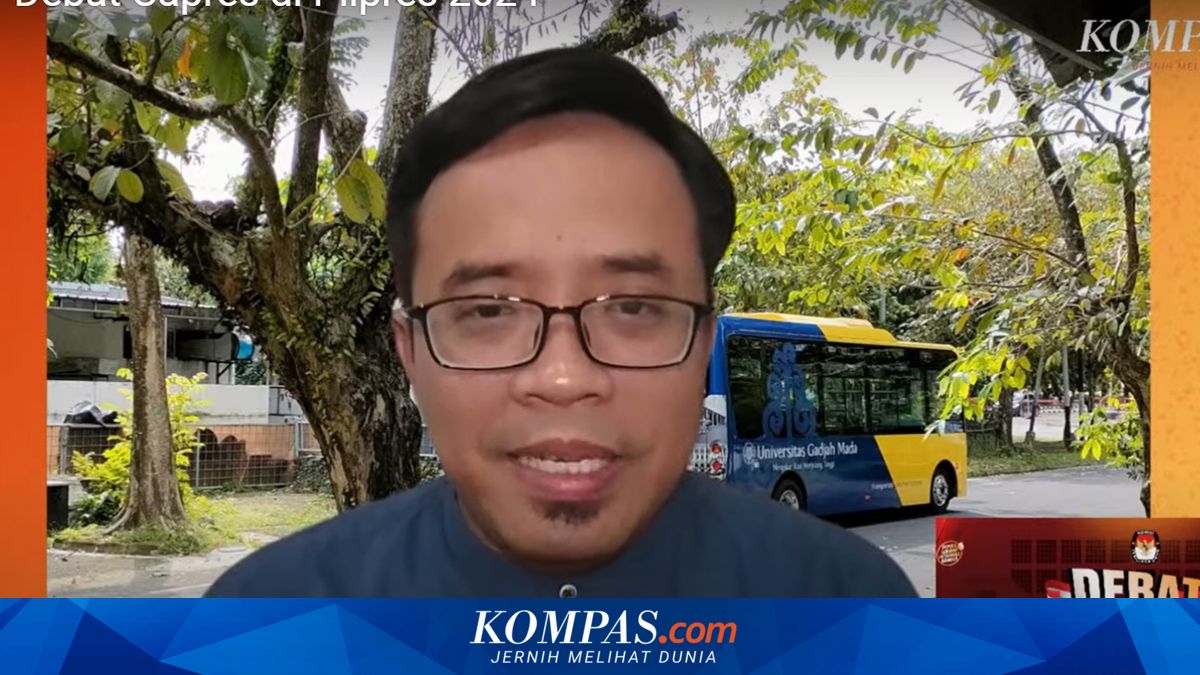
Jakarta — Zaenur Rohman, a researcher from the Anti-Corruption Study Centre at the Faculty of Law, Universitas Gadjah Mada (Pukat UGM), has advised that the revision of the Anti-Corruption Law (Tipikor) should be conducted comprehensively rather than being limited to the section regarding the calculation of state losses.
“If the DPR intends to carry out a limited change, I consider it somewhat wasteful. Why? Because the revision of the Anti-Corruption Law should not be done in a limited manner, but should be performed entirely. It would be a pity to only amend that specific part,” said Zaenur when contacted on Monday (18/5/2026).
He further suggested that the Anti-Corruption Law needs to be improved to align with the United Nations Convention Against Corruption (UNCAC). “There are many criminal provisions within the UNCAC that have not yet become positive law in Indonesia. These need to be criminalised,” he noted.
He also highlighted that the mandatory reporting of wealth (LHKPN) is currently not strictly adhered to because the law does not clearly define the sanctions. “Therefore, it needs to be improved and strengthened within the Anti-Corruption Law,” he added.
Meanwhile, the Chairman of the DPR Legislative Body (Baleg), Bob Hasan, stated that the committee has intentionally invited Professor Romli Atmasasmita from Padjadjaran University, former KPK leader Amin Sunaryadi, and legal expert Firman Wijaya to dissect the dualistic interpretation between Articles 2 and 3 of the Anti-Corruption Law and Articles 603 and 604 of the National Criminal Code (KUHP).
“The combined expertise of these three figures will provide a comprehensive analysis for the DPR Legislative Body in formulating recommendations for regulatory harmonisation or a limited revision of the Anti-Corruption Law,” Bob said during a public hearing with several academics on Monday (18/5/2026).
According to Bob, these discussions have become crucial following Constitutional Court Decision Number 28, which asserts that there must be no ambiguity regarding the institution authorised to calculate state losses.
“Constitutional Court Decision Number 28 also states that there should be no multiple interpretations regarding the institution calculating state losses; there must be only one single authority,” he said.
Bob noted that discrepancies in interpretation still persist in the field, particularly following a circular letter from the Attorney General’s Office, which is perceived to open the door for various institutions to calculate state losses. However, he pointed out that the explanation of Article 603 of the Criminal Code clarifies that the calculation of state losses must be conducted by a state institution.
Source: jawawa.id (https://jawawa.id/newsitem/dpr-legislative-body-reviews-limited-revision-of-anti-corruption-law-ugm-experts-suggest-comprehensive-1780904771)
Originally published by Kompas (https://nasional.kompas.com/read/2026/05/18/18242311/baleg-dpr-kaji-revisi-terbatas-uu-tipikor-pukat-ugm-sarankan-diperbaiki?utm_source=ABC&utm_medium=rss), translated from Indonesian