
DPR Legislation Committee States Agrarian Reform Bill to be Finalised on 22 September
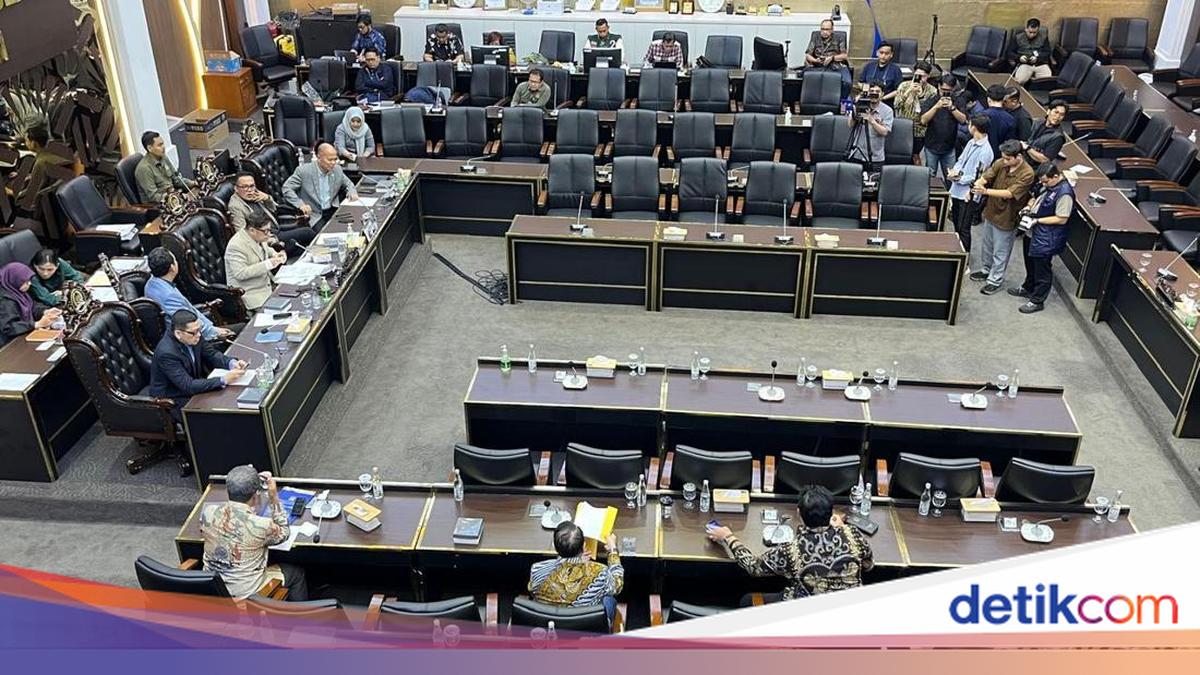
The Deputy Chairman of the DPR RI Legislation Committee, Iman Sukri, stated that the Bill on Agrarian Reform Regulations will be brought to a plenary session to be enacted into law next Tuesday. Several key substances have been emphasised by the Committee.
“God willing, it will be finalised on Tuesday,” Iman Suklant to journalists on Saturday.
Meanwhile, Committee member Azis Subekti noted that agrarian reform should not merely focus on reducing conflict, but must also address the issue of inequality in land ownership. He believes breakthroughs are necessary to resolve land disputes through this Bill.
“Inequality will never be entirely eliminated. The important thing is how we minimise it so that it does not disrupt the life structure of all citizens,” said Azis.
He argued that the government cannot rely solely on ownership claims without the support of integrated data. He highlighted that agrarian conflicts are often triggered by discrepancies in data between various institutions.
“Indonesia gained independence in 1945; at the latest, by 1950, we should have been conducting agrarian reform. This is because we endured a long period of colonialism, and the state assets we inherited, including those of companies that later became SOEs, were transferred from colonial powers. If this is not addressed, the old patterns of control persist within the government,” Azis explained.
“Looking at modern technological developments, the state should no longer be discussing mere regulation, but rather data regulation. Why? Because in advanced, modern nations, productivity stems from this. Meanwhile, we are still primitive and lagging behind,” he added.
Azis assessed that the Agrarian Reform Bill could serve as a breakthrough to overcome such inequality. He emphasised that the Bill will function as ‘lex specialis’—a special law—in instances where provisions overlap.
“Therefore, there must be a breakthrough to tackle how the implementation of sectoral laws might hinder reform,” said Azising.
“However, according to explanations from legal experts, including the Deputy Minister of Law, this law will be treated as lex specialis, meaning all regulations regarding agrarian reform will follow this newly formed law. Of course, this remains an initiative,” he concluded.