
DPR Highlights Development of CNG as a Substitute for LPG, Emphasising Academic Studies
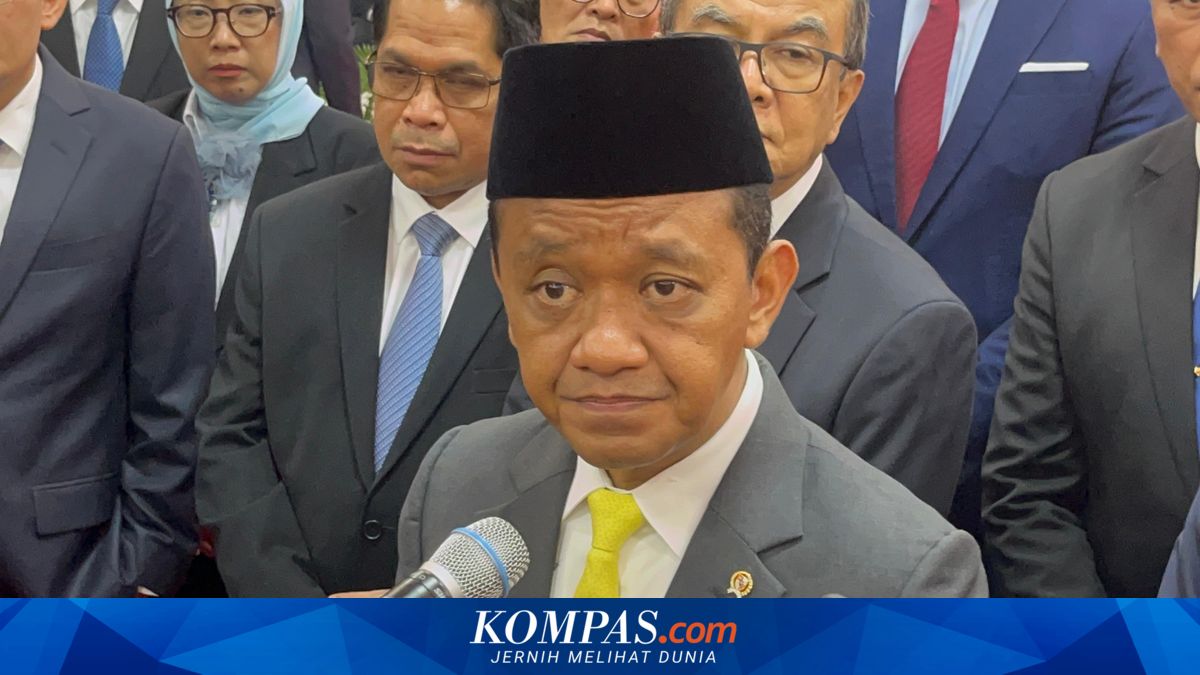
JAKARTA, KOMPAS.com - The Commission XII of the Indonesian House of Representatives (DPR) has highlighted the discourse on developing compressed natural gas (CNG) as a substitute for liquefied petroleum gas (LPG). The idea was previously raised by the Minister of Energy and Mineral Resources (ESDM), Bahlil Lahadalia. Member of Commission XII, Syafruddin, urged the government to provide an official and comprehensive explanation regarding the academic basis and the readiness for implementing the programme. He said such explanations are important to prevent confusion among the public about the CNG discourse. ‘We must not allow the issue of CNG to trigger panic buying among the public. There are many people in the field asking us questions,’ he said during the Working Meeting (RDP) of Commission XII with the Director General of Oil and Gas (Migas) of the ESDM Ministry and the Head of the Special Task Force for Upstream Oil and Gas Activities (SKK Migas), on Thursday (21 May 2026). This has led the public in their electoral districts to question the direction of government policy, including the technical readiness and academic studies. ‘I want to ask the Director General of Migas whether there have been academic studies on CNG or not?’ said the legislator from the PKB party. Syafruddin noted that many people in his constituency are asking about the programme’s progress. However, Commission XII has yet to receive an official, detailed explanation from the government regarding the plan to implement the policy. ‘If this is true, please explain it in the forum that is the proper channel. Because our knowledge is limited to information from the media and social media,’ he said. Energy policy directly affects the economic activity of the public and the industrial sector. He also stressed the importance of thorough academic studies before energy policy is implemented on a broad scale. The government must ensure that the development of CNG has a solid technical, economic, and social basis.