
DPR Hearing on B50: Parliament Urges Pertamina to Anticipate Logistic Bottlenecks
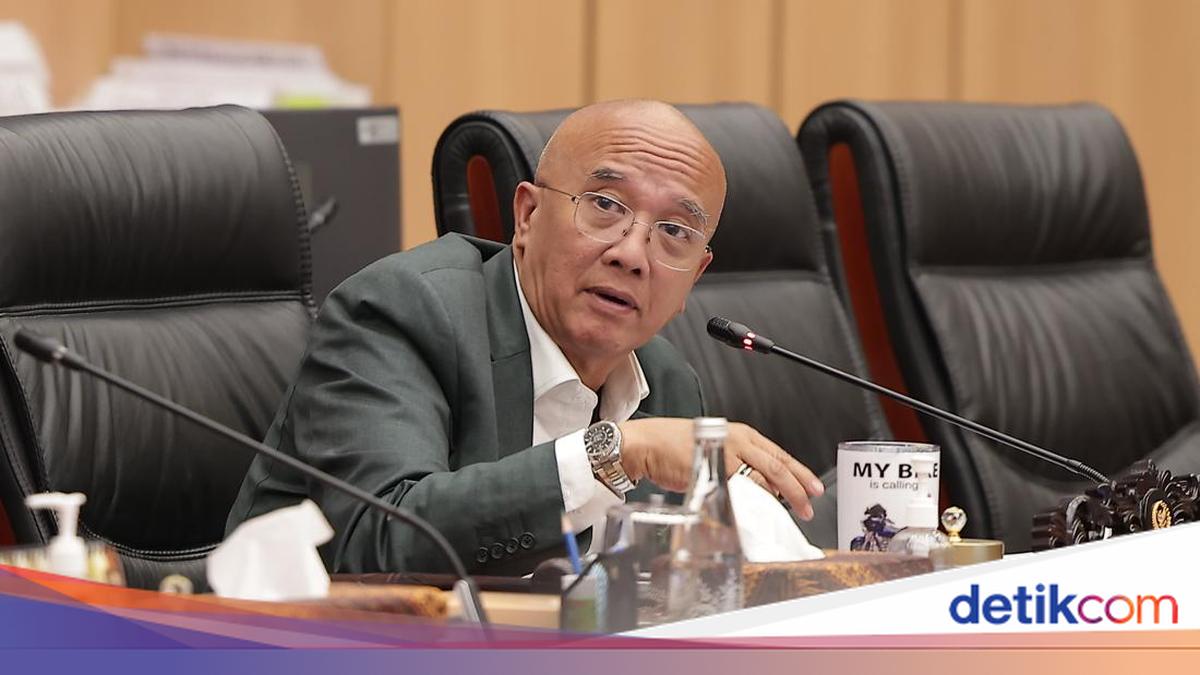
Commission XII of the Indonesian House of Representatives (DPR RI) has highlighted potential logistical hurdles in the implementation of the B50 biodiesel programme. The Vice Chairman of Commission XII, Donny Oekoen, requested that the government and PT Pertamina Patra Niability anticipate potential bottlenecks within the energy logistics system as the programme rolls out.
Infrastructure readiness and the strengthening of quality control systems are considered key to ensuring that the increased biodiesel blend does not disrupt the availability of fuel for the public. He explained that the implementation of B50, which is set to take effect from 1 July 2026, carries consequences for the requirements of blending facilities, terminals, storage tanks, transport, and distribution. This is particularly significant as the biodiesel allocation for 2026 is expected to reach approximately 15.65 million kilolitres.
“The biodiesel allocation for 2026, reaching around 15.65 million kilolitres, demonstrates the massive volume that must be managed by the national energy logistics system,” Donny stated in a written briefing on Tuesday (8/9/2026).
Consequently, Commission XII of the DPR has requested a comprehensive overview regarding national blending capacity, the capacity utilised by Pertamina Patra Niaga, facility utilisation rates, storage capacity, the number of blending and handover points, and the need for additional investment.
According to him, these various aspects must be ensured so that the increased use of biodiesel does not create bottlenecks that lead to disruptions in Biosolar availability or increased distribution costs and energy prices.
“At the same time, we must ensure that the increase in biodiesel usage does not cause bottlenecks that result in the disruption of Biosolar availability or an increase in distribution costs and energy prices, which would ultimately burden the public,” he said.
In addition to logistical readiness, he emphasised the importance of strengthening fuel product quality alongside the increasing complexity of B50 specifications. He noted that the refinement of B50 specifications includes parameters such as T50 distillation, pour point, a 50 per cent FAME content, as well as regulations regarding particulate contamination and cleanliness, which will be implemented gradually starting from 1 January 2027.
“With the increase in product specifications and complexity, the quality control and quality assurance systems must also be strengthened from upstream to downstream, starting from raw materials, the blending process, terminals, storage, transport, depots, petrol stations, to the consumer,” he said.
Donny also requested that the government and Pertamina ensure the readiness of quality monitoring systems at every link in the supply chain so that the quality of fuel received by the public continues to meet the established standards.
Therefore, Commission XII of the DPR has requested up-to-date data regarding the position of national fuel stocks by region, including the stock resilience of each area and regions prone to distribution vulnerabilities.
In his view, anticipatory measures must be prepared to face potential disruptions at terminals or distribution routes.
“The question is simple but very important: if one terminal or distribution route experiences a disruption, from where will alternative supplies be sourced, and how long can the public continue to be served?” he concluded.
Source: jawawa.id (https://jawawa.id/newsitem/dpr-hearing-on-b50-parliament-urges-pertamina-to-anticipate-logistic-bottlenecks-1788883199)
Originally published by detikcom (https://news.detik.com/berita/d-8654493/rdp-soal-b50-dpr-minta-pertamina-antisipasi-bottleneck-logistik), translated from Indonesian