
DPR Hajj Oversight Team Highlights Health Capability Concerns, Calls for Stricter Screening
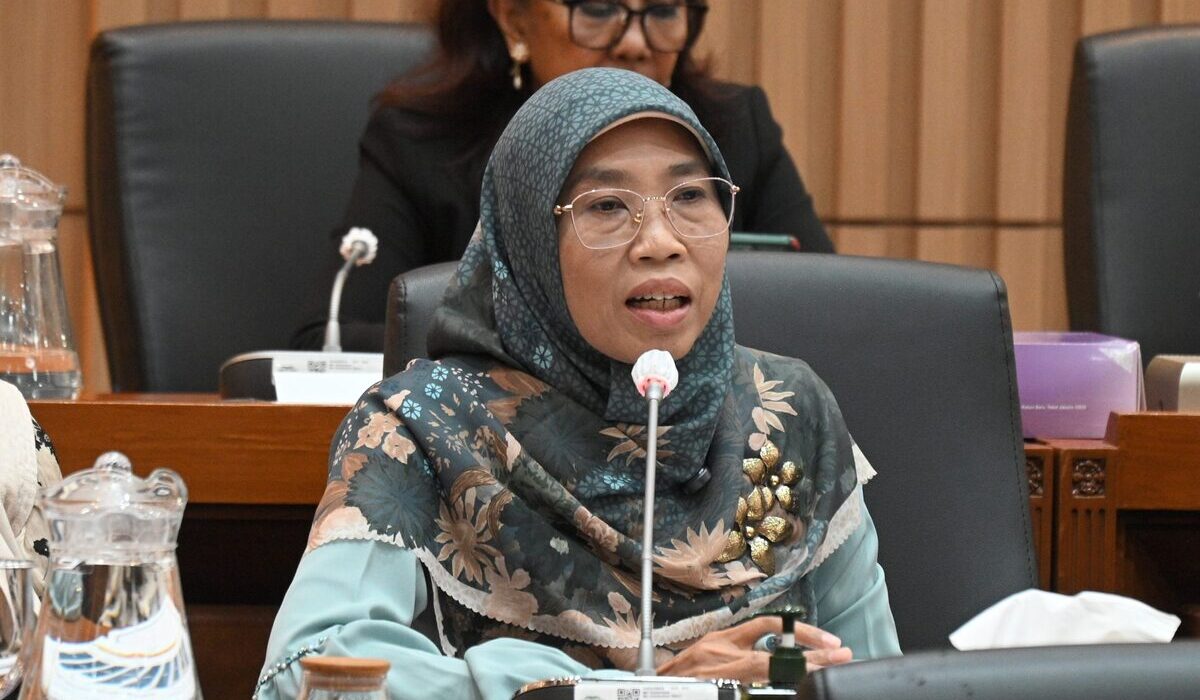
Netty Prasetiyani Aher, a member of the Indonesian Parliament’s (DPR RI) Hajj Oversight Team, has emphasised that the implementation of health capability (istitha’ah) for prospective Hajj pilgrims requires serious attention. While the 2026 Hajj operations proceeded reasonably well, she argued that evaluating the health aspects of pilgrims remains vital to improving service quality for future seasons.
According to Netty, the understanding of Hajj capability has often been limited to financial capacity alone. However, physical health is a primary requirement that must be met before anyone departs for the pilgrimage. “Hajj capability means that departing pilgrims must be declared capable. This is not just about the ability to pay the costs, but also capability in terms of health,” Netty stated in a briefing on Tuesday.
Based on direct supervision in Saudi Arabia, Netty found that many Indonesian pilgrims depart in vulnerable health conditions. A large portion of these are elderly individuals with underlying conditions such as hypertension, heart disease, and kidney failure. One particularly concerning finding was the presence of pilgrims with end-stage cancer being permitted to travel, which Netty noted causes immense suffering during the pilgrimage.
She explained that the challenges in the Holy Land extend beyond high temperatures. The density of religious activities, long walking distances, and the concentration of millions of pilgrims from various nations impose a significant physical burden, especially on the elderly and those with chronic illnesses. She cited the peak rituals at Arafat, Muzdalifah, and Mina as requiring prime physical condition.
Netty noted that many pilgrims require specialised medical assistance, with some needing ambulances for mobility and others requiring intensive medical supervision. Consequently, she stressed the importance of strengthening health screening systems well in advance of departure. Beyond medical examinations, she suggested continuous guidance through programmes such as follow-up care, family education, routine health checks, medication compliance, and nutritional management.
Furthermore, Netty called for greater synergy between the Ministry of Hajj and Umrah, the Ministry of Health, local governments, community health centres (Puskesmas), and hospitals to ensure pilgrim readiness. She also highlighted the need to increase the number of medical personnel assigned to each flight group (kloter) for future operations to ensure the safety and comfort of all pilgrims.