
DPR Hajj Oversight Chair Highlights KBIHU Controversy, Notes Ongoing Transition
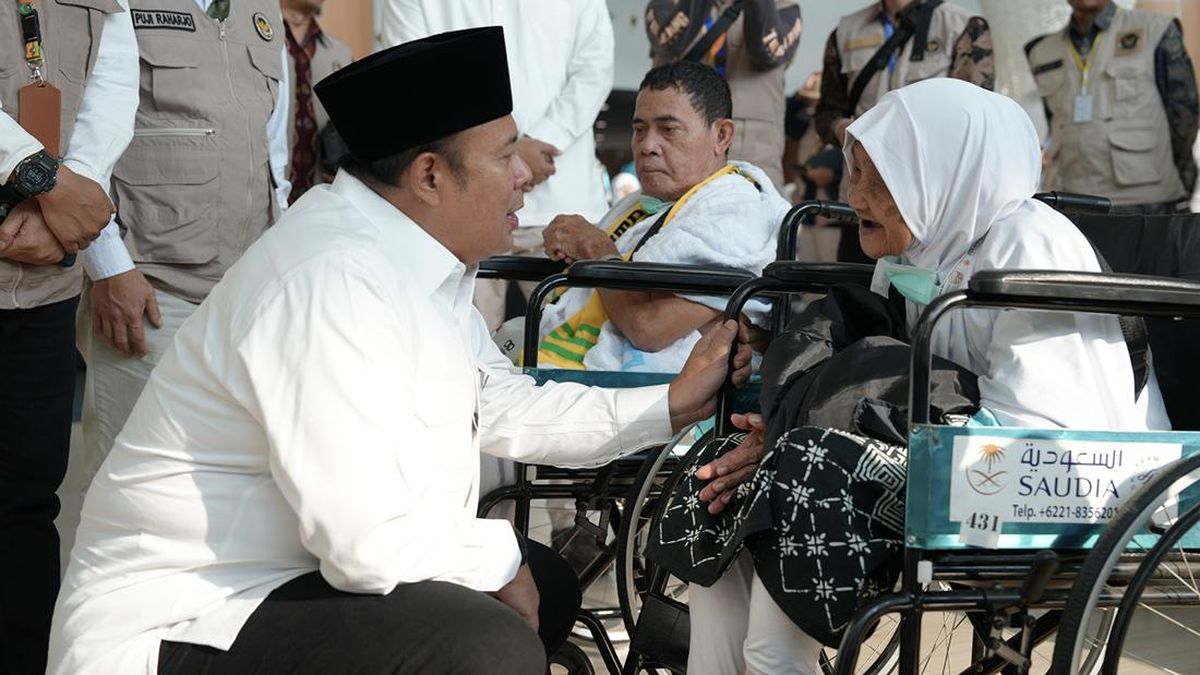
DPR Hajj Oversight Committee Chair Cucun Ahmad Syamsurijal stated that the 1447 AH/2026 CE Hajj pilgrimage was generally well-managed. He noted that this achievement deserves appreciation as it marks the first Hajj under the Ministry of Hajj and Umrah (Kemenhaj).
However, following the peak Hajj phase, debates arose regarding the role of the Hajj and Umrah Guidance Groups (KBIHU), particularly in service delivery for pilgrims in Arafah, Muzdalifah, and Mina (Armuzna).
Cucun stressed that the KBIHU controversy need not escalate, as Hajj administration is still in transition from the Ministry of Religious Affairs to the Ministry of Hajj and Umrah.
‘We understand this is a transition period; a newly formed ministry striving to manage Hajj services orderly. It is regrettable that the longstanding contributions of community groups like KBIHU are being overlooked,’ Cucun said in Mecca, Saudi Arabia, on Sunday (31 May).
He added that KBIHU has long played a significant role in educating and guiding prospective pilgrims, sometimes years before departure.
‘They provide knowledge and education to prospective pilgrims well before departure—not just a year prior, but sometimes three years ahead—through Hajj guidance group instructors,’ he said.
KBIHU Recognised for Key Role
The DPR deputy chair explained that KBIHU is part of community-led efforts that have evolved to support Indonesia’s Hajj administration.
He stated that Hajj requires not only physical readiness but also a deep understanding of rituals, regulations, and religious compliance.
‘While Hajj is a physical act of worship, its procedural, regulatory, orderly, and valid execution demands thorough knowledge. KBIHU’s presence is highly beneficial to the nation,’ Cucun added.
He noted Indonesia’s Hajj involves over 200,000 pilgrims annually, requiring multi-stakeholder support.
‘Imagine managing 210,000 people. The ministry now appoints religious guides for each flight group, with a ’musyrif dini’ as decision-maker,’ he said.
However, Cucun stressed that government-appointed religious guides should not position KBIHU as a government adversary.
‘It is crucial not to disrupt the ministry’s efforts in organising regulations and procedures by treating KBIHU as a competitor,’ he stressed.
Avoid Scapegoating
Cucun objected to KBIHU being blamed for this year’s Hajj-related issues.
He cited recent issues such as elderly pilgrim concerns at Masjidil Haram, alleged improper charges, and controversies over dam (compensation) and badal haji (proxy pilgrimage).
‘All issues should not be pinned on KBIHU. Matters like dam and badal haji are being unfairly discredited to the guidance groups,’ he said.
Cucun praised the Ministry of Hajj and Umrah for the successful Hajj execution, crediting all stakeholders’ support.
‘I also commend the DPR Hajj Oversight Team for their mitigation and anticipation of annual challenges. Alhamdulillah, coordination, communication, and all monitoring and evaluation processes by the Ministry of Hajj have been well-executed,’ Cucun said.