
DPR: Gratuities Must Be Surrendered to KPK, Not Returned to the Giver
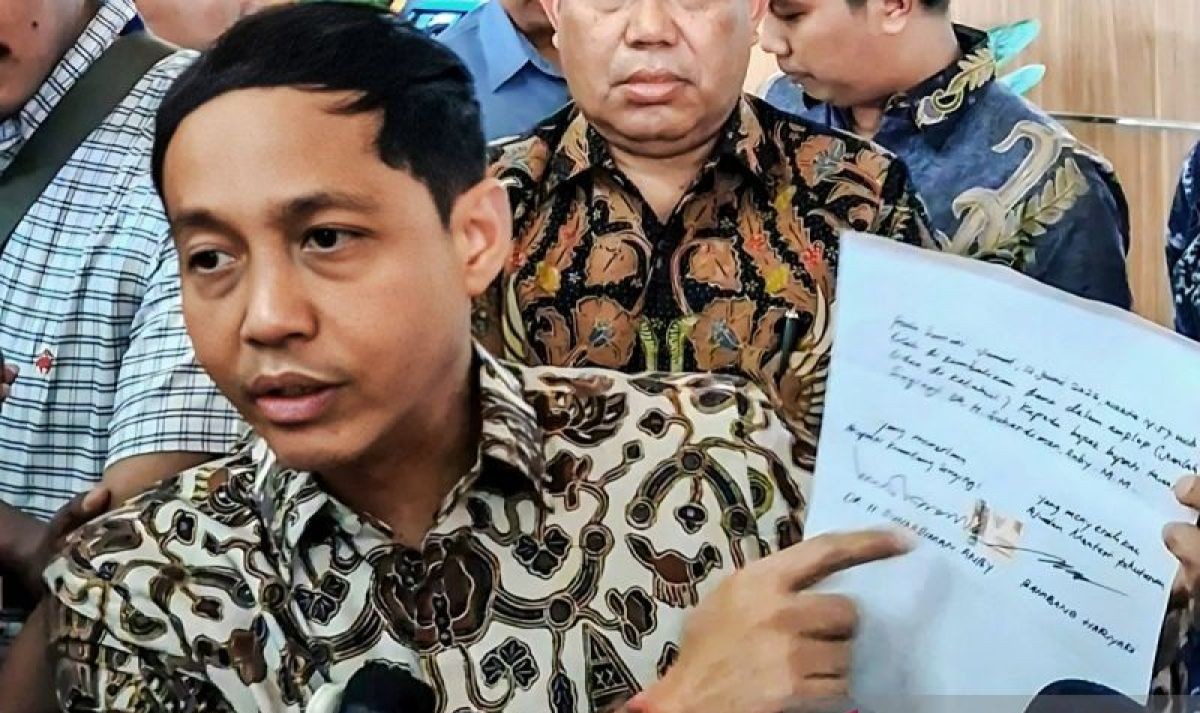
A member of the House of Representatives (DPR) Commission IV from the Golkar Party, Firman Soebagyo, has emphasised that the return of gratuities must be made to the Corruption Eradication Commission (KPK), not to the giver. He made the statement in response to the admission by Forestry Minister Raja Juli Antoni, who received an envelope containing money from Kuantan Singingi Regent Suhardiman Amby, who was later caught in a KPK sting operation. “The correct procedure for returning a gratuity is to the KPK, not to the giver. This is to ensure transparency and accountability. Returning it to the giver is not recognised in the Corruption Eradication Law and could actually create new legal problems,” Firman said on Sunday. Firman stated that the mechanism for handling gratuities is strictly regulated in Law Number 31 of 1999, as amended by Law Number 20 of 2001 concerning the Eradication of Criminal Acts of Corruption. Under Article 12B and Article 12C, every state official who receives a gratuity is obliged to report it to the KPK no later than 30 working days after receipt. He argued that this provision must be the primary reference in assessing the alleged gratuity involving Raja Juli. Firman stressed that this issue cannot be resolved informally by returning the money to the giver, as such a mechanism is not recognised in corruption law. “If a gratuity was indeed received, the path is clear: it must be reported and handed over to the KPK. That is what the law stipulates and that is what provides legal certainty,” he said. Firman also noted that Commission IV of the DPR continues to respect the principle of presumption of innocence. However, he considers the alleged gratuity involving a state official to be a serious matter, especially when linked to a regional head now implicated in a KPK sting operation. “Commission IV will scrutinise and monitor this issue in accordance with the DPR’s oversight function,” he said. He urged Raja Juli to promptly provide an official explanation to the public regarding the chronology of receiving the envelope, including the status and follow-up of the alleged gratuity. According to Firman, transparency is necessary to prevent wild speculation and to ensure the entire process proceeds within legal corridors. “If a gratuity was indeed received, it must be immediately reported and handed over to the KPK in accordance with applicable regulations,” he stated. Furthermore, Firman emphasised that Commission IV will exercise its oversight function by requesting an explanation from the Ministry of Forestry. The DPR will also coordinate with the KPK to ensure the case is handled according to the rules. He also highlighted the importance of maintaining integrity in the forestry sector, as the ministry manages highly strategic natural resources. On that basis, Firman believes compliance with gratuity reporting, the State Officials’ Wealth Report (LHKPN), and improvements to licensing governance must be continuously strengthened. “Commission IV of the DPR supports corruption prevention efforts through strengthening the gratuity reporting system, compliance with the LHKPN, and improving licensing governance in the forestry sector,” Firman said. Firman also reminded all public officials to take this case as a lesson not to underestimate gratuity regulations. He stressed that reporting to the KPK within the stipulated timeframe is not only a legal obligation but also a form of protection for state officials. “Reporting to the KPK within 30 days is a form of legal protection for every state official,” he concluded.