
DPR: Government prepares waste-to-energy programme
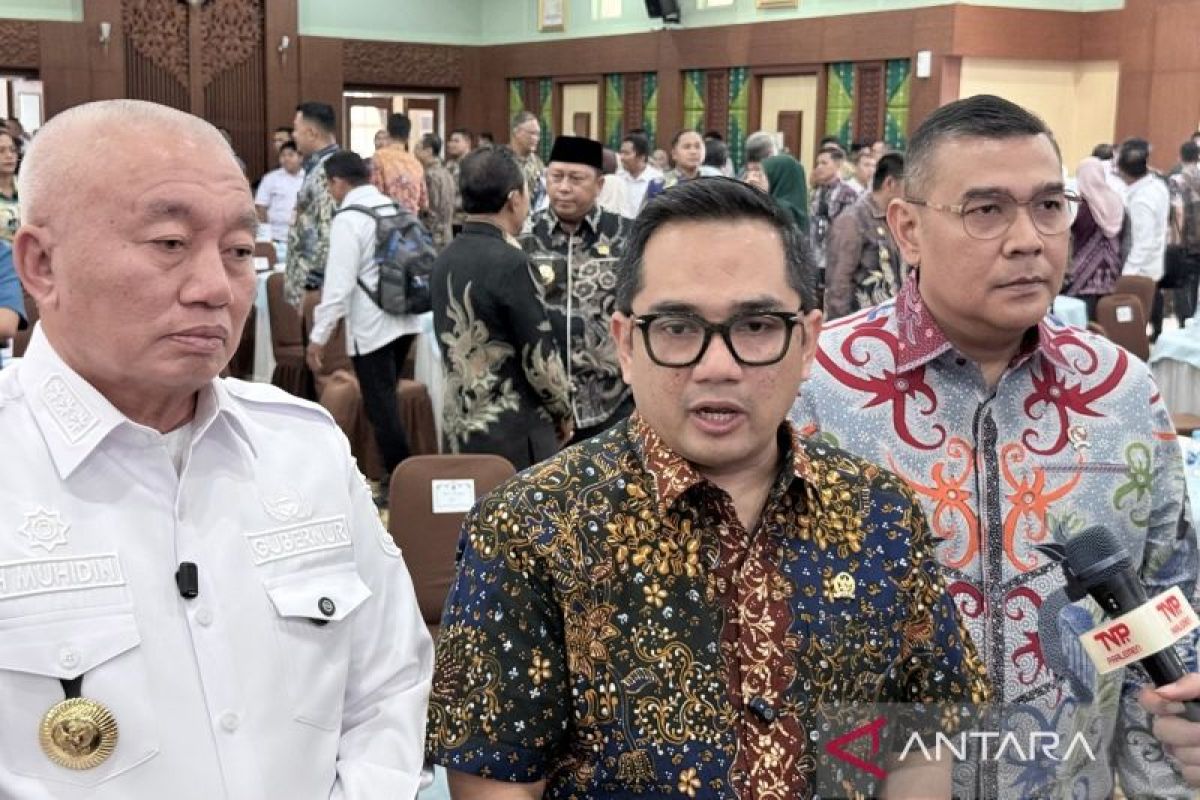
The House of Representatives (DPR) Commission II has stated that the Government is preparing a larger-scale waste management programme for regions with waste generation exceeding 500 tonnes per day, intended to be developed into a source of electrical energy.
“This programme will be provided if a region’s waste generation exceeds 500 tonnes per day, including through provincial-level landfills such as the Banjarbakula landfill in South Kalimantan,” said the Chairman of Commission II of the DPR, Muhammad Rifqinizamy Karsayuda, during the handover of the Local Service Delivery Project (LSDP) programme, worth hundreds of billions of rupiah in waste management assistance in Banjarbaru on Wednesday.
He noted that waste management at such a scale will involve collaboration between regional heads, the Ministry of Home Affairs, and Danantara, ensuring that large waste volumes can be directed towards becoming a source of electricity and enhancing national energy security.
“If the waste volume is above 500 tonnes per day, we will provide a programme larger than the LSDP waste management assistance,” he said.
He confirmed that South Kalimantan would receive such a large-scale programme if it meets the requirements, and each member of Commission II of the DPR can propose districts and cities to receive LSDP programmes in the next phase.
He explained that the currently running LSDP programme is provided to regions with waste generation between 100 and 500 tonnes per day, with average funding support exceeding Rp100 billion for each recipient district and city.
He urged the regents and mayors receiving the assistance, including those from South Kalimantan, Central Kalimantan, and East Kalimantan, to maintain the integrity of budget usage, as LSDP funds are transferred directly to provincial, regency, or municipal governments.
“The central government is not directly involved in the distribution of aid funds, as they are transferred directly to local governments; we only supervise and provide guidance,” he stated.
Consequently, he warned that the hundreds of billions of rupiah allocated to each district/city must not result in audit findings, and that various projects, such as integrated waste treatment sites (TPST) and reduce-reuse-recycle waste management sites (TPS 3R), must not be left abandoned.
“We hope that all waste management programmes will run effectively and be well-maintained, so they not only improve waste handling but also transform the community’s culture of cleanliness for the better,” said Rifqinizamy.