
DPR: Fertiliser Prices Have Fallen by 20 Per Cent for the First Time Since Independence
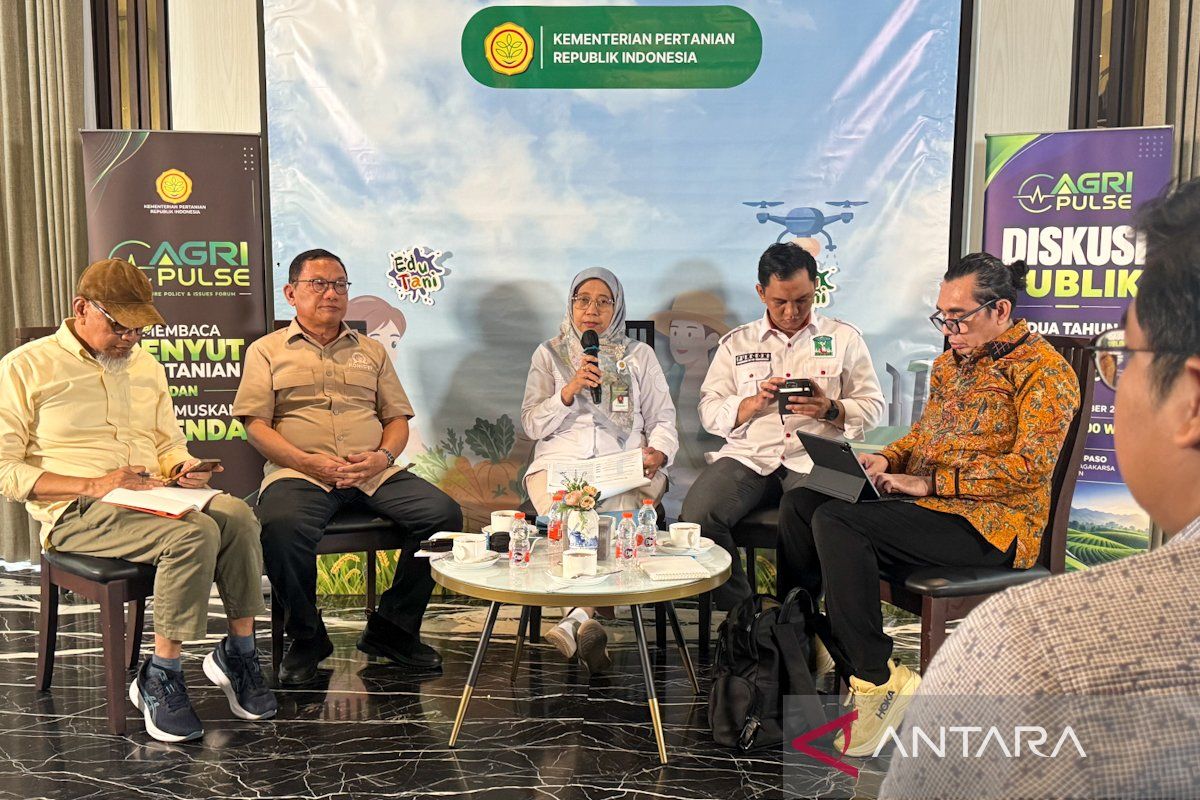
Jakarta (ANTARA) - Hanan A. Rozak, deputy chair of Commission IV of the Indonesian House of Representatives (DPR RI), said the government’s policy of cutting subsidised fertiliser prices by up to 20 per cent to support farmers was an extraordinary measure, unprecedented since Indonesia gained independence.
Hanan said the price cut demonstrated the government’s commitment to strengthening farmers’ productivity and pursuing sustainable food self-sufficiency.
“Prices have fallen by 20 per cent. This shows extraordinary attention from the government. It seems this is the first time since Indonesia’s independence that fertiliser prices have fallen. This is truly extraordinary,” Hanan said at a Jakarta agricultural discussion forum, ‘Two Years of Agricultural Transformation under President Prabowo’, on Wednesday.
He said fertiliser had previously been relatively expensive, potentially making it difficult for farmers to obtain production inputs without government support through subsidy policies.
Hanan said rising prices for fertiliser raw materials, including gas, phosphate and potash, amid global volatility posed a particular challenge for the domestic fertiliser industry in keeping prices affordable.
Nevertheless, he said, the government had shown exceptional commitment by reducing subsidised fertiliser prices by 20 per cent despite higher production costs.
He said the policy was important because it would ensure fertiliser was available to farmers across Indonesia on time, in sufficient quantities and at more affordable prices.
In addition to the price reduction, Hanan praised the streamlining of fertiliser distribution rules, which had previously comprised 145 provisions. The simplified arrangements, he said, made it easier for farmers to obtain the supplies they needed.
He said improving access to fertiliser and seeds was supporting higher agricultural productivity and strengthening the government’s efforts to meet its national food self-sufficiency target.
“Fertiliser is also easier to obtain because the rules have been simplified, from 145 provisions to, if I’m not mistaken, four or five now, consolidated into one arrangement. That makes it much easier to get fertiliser on time, in the right quantities and at an affordable price for farmers. This is extraordinary,” he said.
Hanan also highlighted the importance of agricultural mechanisation, noting that the average age of farmers was rising and that agricultural workers needed support from technology and machinery.
He said Agriculture Minister Andi Amran Sulaiman had strongly backed agricultural modernisation since 2014 by strengthening mechanisation to improve farmers’ efficiency and productivity.
According to Hanan, government agricultural policies were being pursued in parallel, encompassing not only technology but also socio-economic measures such as setting the government purchase price.
He said the government’s purchase price (HPP) for paddy at Rp6,500 per kilogram provided certainty for farmers while strengthening government rice reserves.
Hanan said a range of government interventions, from irrigation and fertiliser to mechanisation and pricing policies, had helped increase production of harvested dry paddy (GKP).
He said these achievements indicated positive progress towards food self-sufficiency, supported by increased agricultural funding and government policies that were increasingly favourable to farmers.
Source: jawawa.id (https://jawawa.id/newsitem/dpr-fertiliser-prices-have-fallen-by-20-per-cent-for-the-first-time-since-independence-1792621257)
Originally published by Antara (Indonesian) (https://www.antaranews.com/berita/5803473/dpr-harga-pupuk-turun-20-persen-baru-terjadi-sejak-ri-merdeka), translated from Indonesian