
DPR: Falling Poverty Shows Empowerment Strategy Is on the Right Track
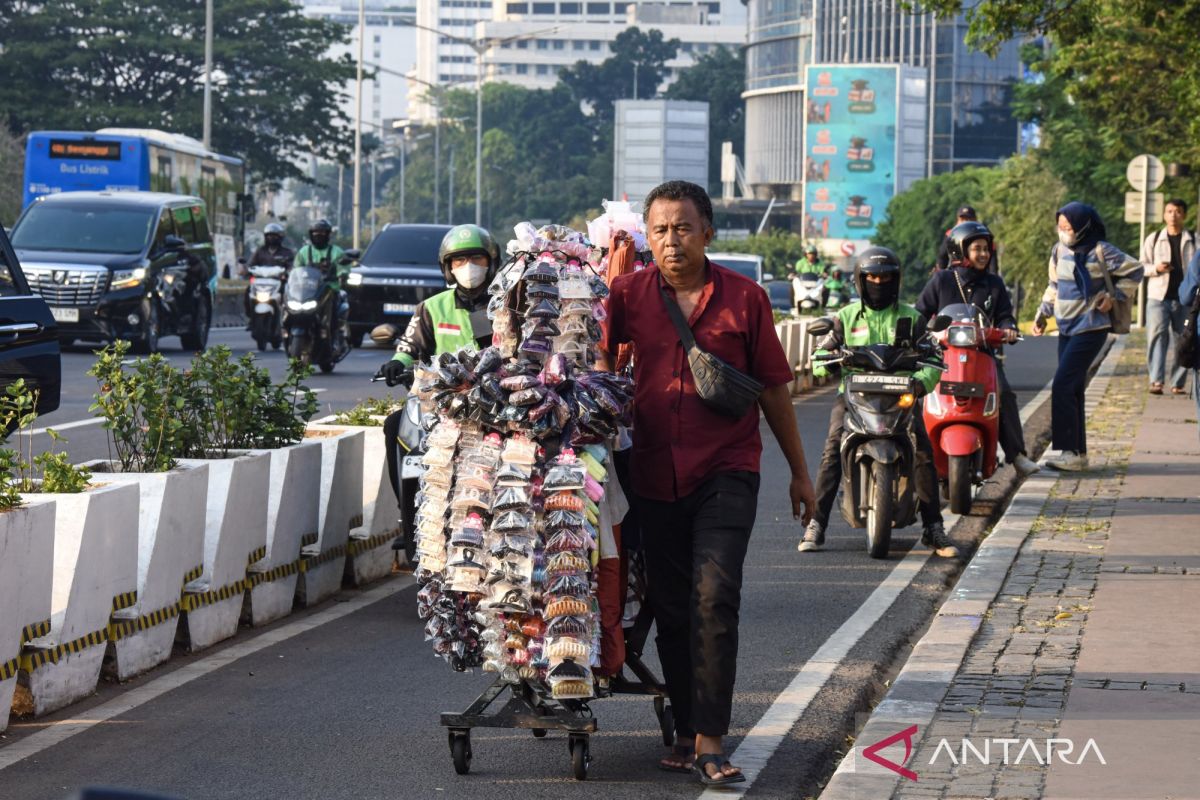
A member of the House of Representatives’ Commission VIII, Maman Imanul Haq, said that the decline in poverty during the first two years of President Prabowo Subianto and Vice-President Gibran Rakabuming Raka’s administration showed that the government’s community empowerment strategy was on the right track. The commission is committed to overseeing budget policies that support empowerment, so that more social assistance recipients can become self-reliant and improve their welfare.
“We in Commission VIII offer our highest appreciation for the achievements of President Prabowo’s two-year administration. The fall in the poverty rate to 8.07% shows that the empowerment strategy being pursued is on the right track,” Maman said in Jakarta on Tuesday.
According to the National Socio-Economic Survey (Susenas) conducted by Statistics Indonesia (BPS), the national poverty rate stood at 8.07%, equivalent to 22.93 million people, in March 2026. This was down from 9.03%, or 25.22 million people, in March 2024.
Maman said the government’s efforts to empower communities and achieve economic self-reliance were proceeding as hoped. Social assistance, he said, should not become people’s main source of support in the long term, but should serve as a temporary safety net until recipients can support themselves economically.
He praised Coordinating Minister for Community Empowerment Muhaimin Iskandar for promoting the integration of social and economic data through the National Single Socio-Economic Data system (DTSEN).
Maman said he hoped the integrated data would help ensure social assistance reached the right people, particularly vulnerable groups such as older people and people with disabilities. Meanwhile, people of working age should have access to empowerment programmes and capital to improve their welfare.
He acknowledged, however, that shortcomings remained during the policy transition and needed to be addressed, particularly to ensure the data integration system operated effectively.
Maman called for continued budget allocations and stronger coordination between ministries and agencies to support the 2029 targets in the National Medium-Term Development Plan (RPJMN): reducing poverty to 4.5–5% and extreme poverty to below 0.5%.
He reiterated that Commission VIII was committed to overseeing budget policies that support community empowerment, enabling more social assistance recipients to become self-reliant and improve their welfare.
The Government Communications Agency (Bakom) said Indonesia’s poverty rate fell to 8.07% in March 2026, with 22.93 million people classified as poor, during the first two years of the Prabowo-Gibran administration.
Bakom Deputy for Partnerships and Media Relations Kurnia Ramadhana said the figure was 920,000 lower than in March 2025, citing BPS data.
“The government continues to strengthen poverty-reduction efforts through social protection, meeting basic needs and the economic empowerment of communities,” Kurnia said.