
DPR Ensures Bill Deliberations Continue During Recess to Meet Public Needs
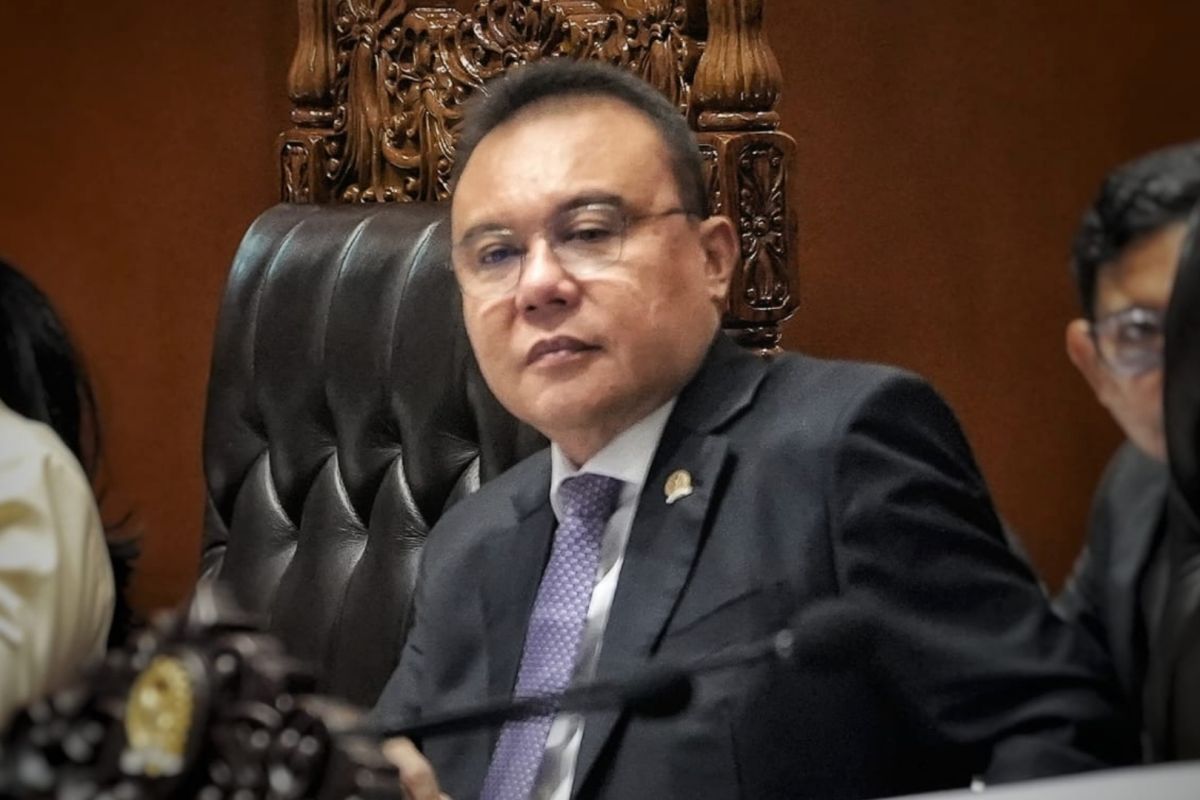
Jakarta (ANTARA) — Deputy Speaker of the Indonesian House of Representatives (DPR RI) Sufmi Dasco Ahmad has ensured that deliberations on various strategic bills will continue during the recess period so that the public’s needs continue to be met and promptly receive certainty of a solution.
He stressed that the recess does not mean the DPR’s work stops. According to him, every bill under deliberation is directed at answering the real problems faced by the public.
“The recess does not mean the DPR stops working. On the contrary, we are ensuring deliberations on various strategic bills continue so that the public does not have to wait longer to benefit from better regulation. Public aspirations also continue to be involved in every stage of the deliberation process,” Dasco said in a statement in Jakarta on Tuesday.
He explained that one of the priorities for deliberation is the Asset Forfeiture Bill, which is expected to strengthen the state’s efforts to recover assets derived from criminal acts.
The more optimally state assets can be recovered, he said, the greater the opportunity to use them for development and public services.
Therefore, deliberation of the bill continues with space opened for public participation in order to produce strong and effective regulation.
Dasco then said the DPR is also continuing deliberation of the One Data Indonesia Bill to promote more integrated government data.
Through this regulation, public services are expected to become faster, social assistance more accurately targeted, and government policies formulated based on more accurate data.
In the employment sector, he said, the DPR has placed the Employment Bill as one of its next priorities.
Commission IX of the DPR RI will absorb the aspirations of workers, business actors and other stakeholders so that the resulting regulation can provide protection for workers while creating certainty for the business world.
Meanwhile, in drafting the Election Bill, Commission II of the DPR RI will use the recess period to hold dialogue with non-parliamentary political parties, community organisations and electoral observer groups.
These inputs will form the basis for refining the substance of the bill so as to produce higher-quality rules that provide legal certainty and minimise the potential for disputes or judicial review in the future.
Dasco further stressed that deliberations during the recess reflect the DPR’s commitment to ensuring the legislative agenda with a direct impact on the public continues even as the House enters its sitting recess.
On that basis, he said the DPR RI is committed to ensuring the legislative process remains productive during the recess so that the public’s various needs can continue to be addressed through regulation that is of high quality, participatory and provides legal certainty.