
DPR Deputy Speaker Favours Asset Seizure Over Death Penalty for Corruptors
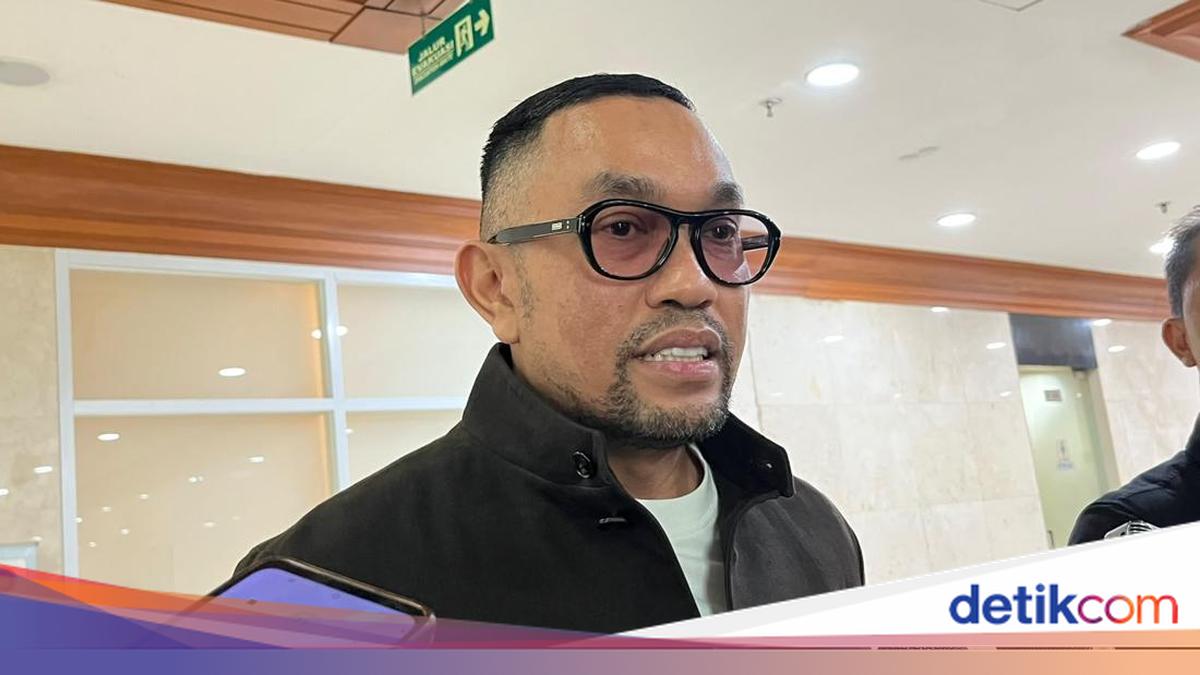
Deputy Speaker of House Commission III Ahmad Sahroni has responded to the Indonesian Ulema Council’s (MUI) call for corruptors to face the death penalty by stressing the importance of the Asset Forfeiture Bill to recover state assets. “If they are sentenced to death, the money does not come back, so the Asset Forfeiture Bill must be made robust to enable the recovery of state assets,” Sahroni said when contacted on Thursday (6/8/2026).
Sahroni stated that the Asset Forfeiture Bill, currently under deliberation by Commission III, could at the very least restore state assets lost to corruption. Concurrently, he said, law enforcement agencies could focus on preventing corruption. “The Asset Forfeiture Bill can at least recover assets that have been corrupted, and law enforcement agencies can also focus more on preventing and safeguarding officials across this republic so that none of them commit acts that result in state losses,” he remarked.
Beyond that, Sahroni urged the MUI to concentrate on serving ulama and the Muslim community in Indonesia. He asked the council to focus on the welfare of ulama and the supervision of Islamic boarding schools. “It would be better for the MUI to focus on serving the ulama in Indonesia, paying attention to their welfare, and having the ulama oversee the pesantren to prevent undesirable incidents,” he said.
The MUI has been encouraging the government and the House of Representatives to implement the death penalty for corruptors. In addition to accommodating pressing public aspirations, the council views this as a firm legal measure given that corruption in Indonesia has reached an emergency level and become a widespread topic of discussion. “We are always in discussion. Some time ago, Mr Yusril (Coordinating Minister for Law, Human Rights, Immigration, and Corrections) came to the MUI to talk about two issues: the death penalty and the LGBT law. We are always discussing these,” said MUI Deputy Chairman KH M Cholil Nafis, as quoted from MUI Digital and reported by detikhikmah on Wednesday (5/8).
The MUI affirmed that it continues to communicate and discuss law enforcement with the government, including the deliberation of severe sanctions for crimes that damage the state order. Kiai Cholil assessed that law enforcement in Indonesia must consider common sense and the common opinion developing within society. When the public widely realises that corruption has destroyed the nation’s future and impoverished the people, the MUI believes the state cannot turn a blind eye. “The numerous arrests are not a sign of success in eradicating corruption, but rather an indication of failure, because people are not afraid and not deterred,” he explained.
Responding to public discourse that often pits execution against impoverishment, the MUI believes the two measures should run in parallel. Kiai Cholil explained that asset forfeiture is the state’s obligation to reclaim wealth stolen by corruptors. “So do not create a dichotomy that the death penalty means not seizing assets. If they are executed, the state’s wealth must still be returned. Both are necessary: asset forfeiture, yes, and if the crime causes systemic damage or destroys the country, the death penalty must be carried out,” he stressed.