
DPR Deputy Speaker Asserts Parliamentary Oversight Functions Remain Robust
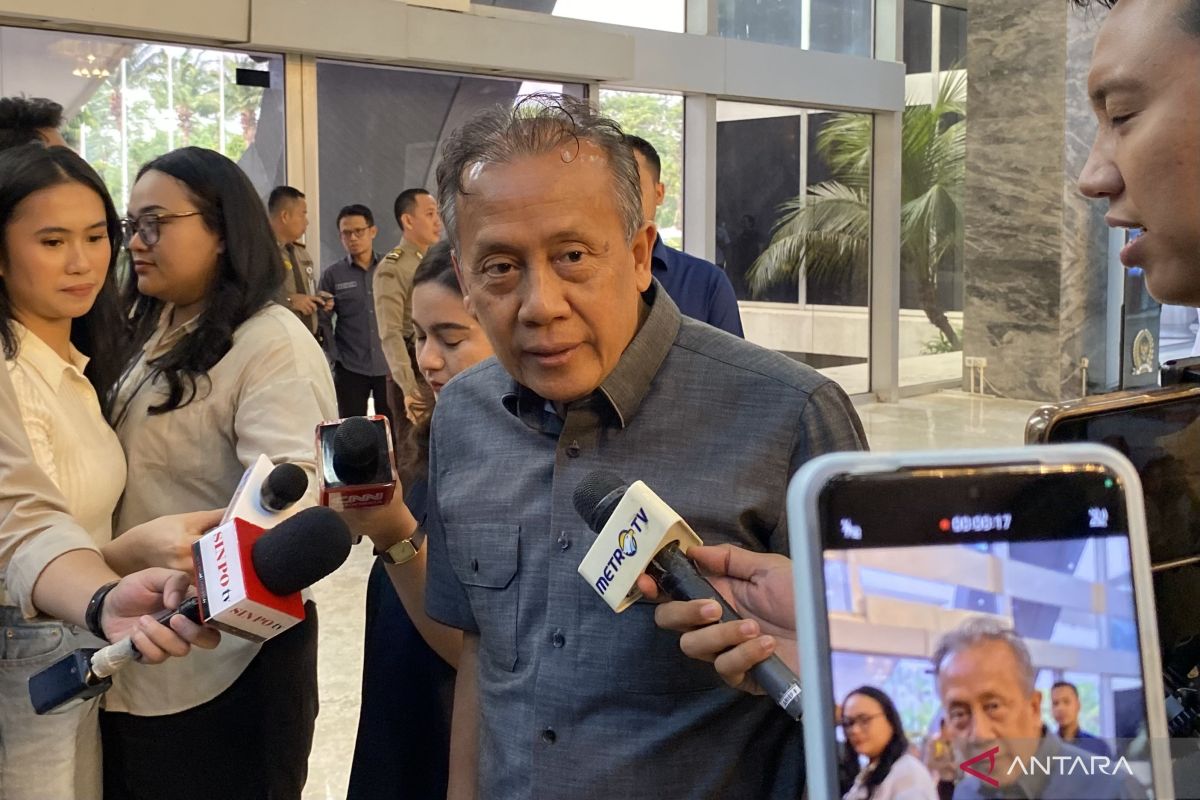
Jakarta (ANTARA) - The Deputy Speaker of the House of Representatives (DPR RI), Saan Mustopa, stated that the mechanism of mutual oversight and balancing, or ‘check and balances’, remains active as part of the DPR’s duties as a legislative institution.
“Check and balances is still running. For instance, regarding public complaints about government policies and programmes, these are addressed and criticised within the relevant commissions,” Saan said when met at the DPR Building, Jakarta, on Monday.
He cited an example from last week when the DPR received an audience with student protesters expressing opinions on the Free Nutritious Meal (MBG) programme. He noted that the government is accommodating public input.
“For example, last Friday (19/6), when the DPR received students, the Head of the National Nutrition Agency (BGN) stated that they are currently restructuring the governance of the MBG programme,” he said.
Similarly, Saan continued, regarding the increase in non-subsidised fuel (BBM) prices, the DPR immediately connected student protesters criticising the policy with the relevant ministry.
“When students questioned that issue, it was directly linked to the government and the Minister of Energy and Mineral Resources, Bahlil Lahadalia. Mr Bahlil has also expressed his commitment to addressing the demands voiced by students and other groups,” he said.
According to him, the DPR is performing its function as an institution representing public interests. He also mentioned that the government is committed to paying attention to the people’s aspirations.
“And certainly, the DPR will attempt to oversee that commitment,” he added.
The form of oversight referred to by Saan involves working meetings within the council’s various committees. Regarding the issue of fuel price increases, Saan mentioned that Commission XII of the DPR RI is currently monitoring the policies of the Ministry of Energy and Mineral Resources.
“Regarding the MBG, the Head of the BGN has discussed the restructuring of the programme’s governance, including its derivatives, and has certainly listened to various inputs from the public,” he said.
“Once again, the DPR will continue to strive to oversee the government’s commitments while also continuing to convey the issues existing within the community,” Saan concluded.