
DPR Deputy Chair: Labelling Free Nutritious Meal Programme a Human Rights Violation is Inaccurate
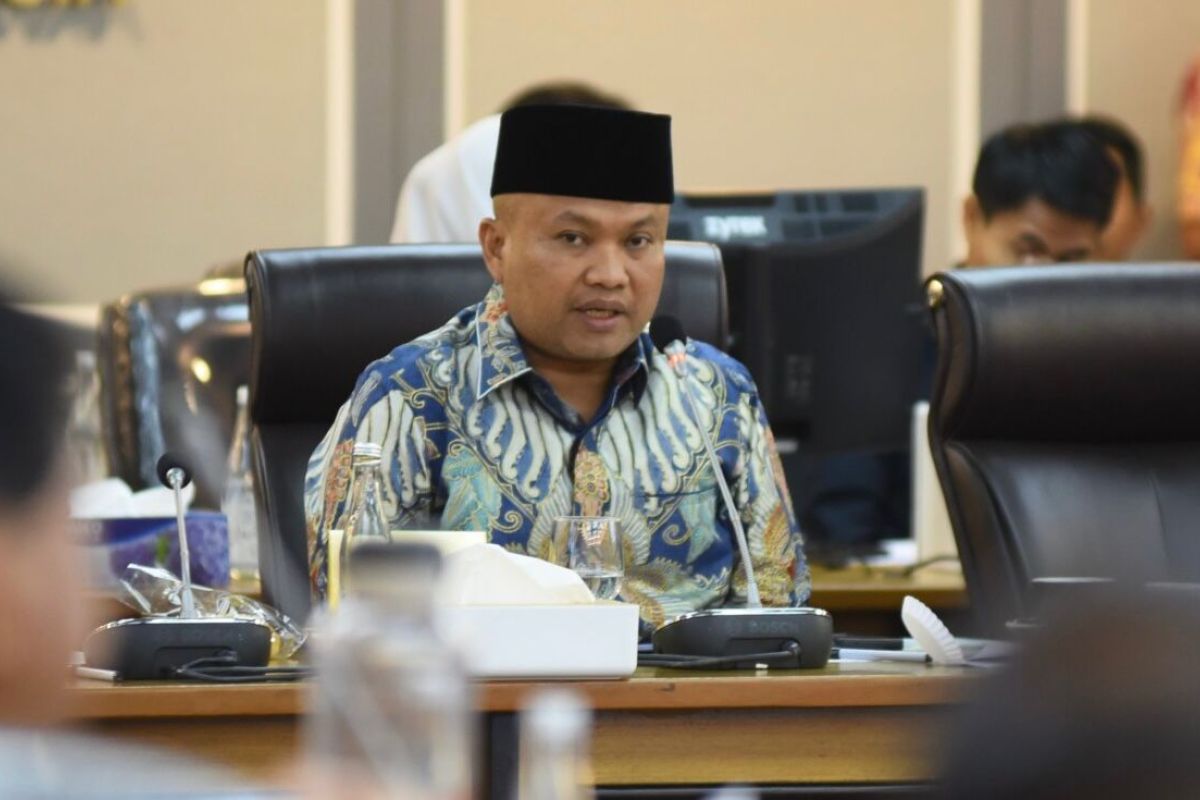
Jakarta (ANTARA) - The Deputy Chair of Commission XIII of the Indonesian House of Representatives (DPR RI), Sugiat Santoso, believes that the statement by the National Commission on Human Rights (Komnas HAM) regarding indications of human rights violations in the implementation of the Free Nutritious Meal (MBG) programme is incorrect.
According to him, the MBG programme is instead a tangible form of fulfilling the basic rights of the community, which are part of human rights, specifically economic and social rights.
“The statement by Komnas HAM that human rights violations have occurred in the implementation of the MBG programme is a contradictory statement when viewed from a human rights perspective,” said Sugiat in a statement in Jakarta on Wednesday.
He stated that the MBG programme is a concrete manifestation of fulfilling human rights, including the right to adequate food, the right to be free from hunger, the right to improve one’s standard of living, the right to meet basic needs, the right to grow and develop properly, and the right to an improved quality of life.
He noted that the fulfilment of the right to food and the right to be free from hunger cannot be optimally achieved without the involvement of the state. Therefore, he considers it inappropriate to conclude that the implementation of the MBG programme constitutes a violation of human rights.
Sugiat did not deny that the implementation of the MBG programme still has several shortcomings that need to be addressed. However, issues regarding governance and deviations in implementation cannot automatically be categorised as human rights violations.
“The fact that the governance of the MBG programme is not yet perfect, that deviations occur, and that it needs improvement, does not justify the conclusion that human rights violations have taken place,” he said.
In his view, assessments regarding human rights violations should be conducted through monitoring functions involving a thorough process of investigation and examination of an event.
“Programmes such as the MBG in various countries represent the state’s obligation to endeavour to fulfil the right to food for its citizens; it is certainly not a violation of human rights,” said Sugiat.