
DPR Denies Rejecting Asset Forfeiture Bill, Targets Completion This Year
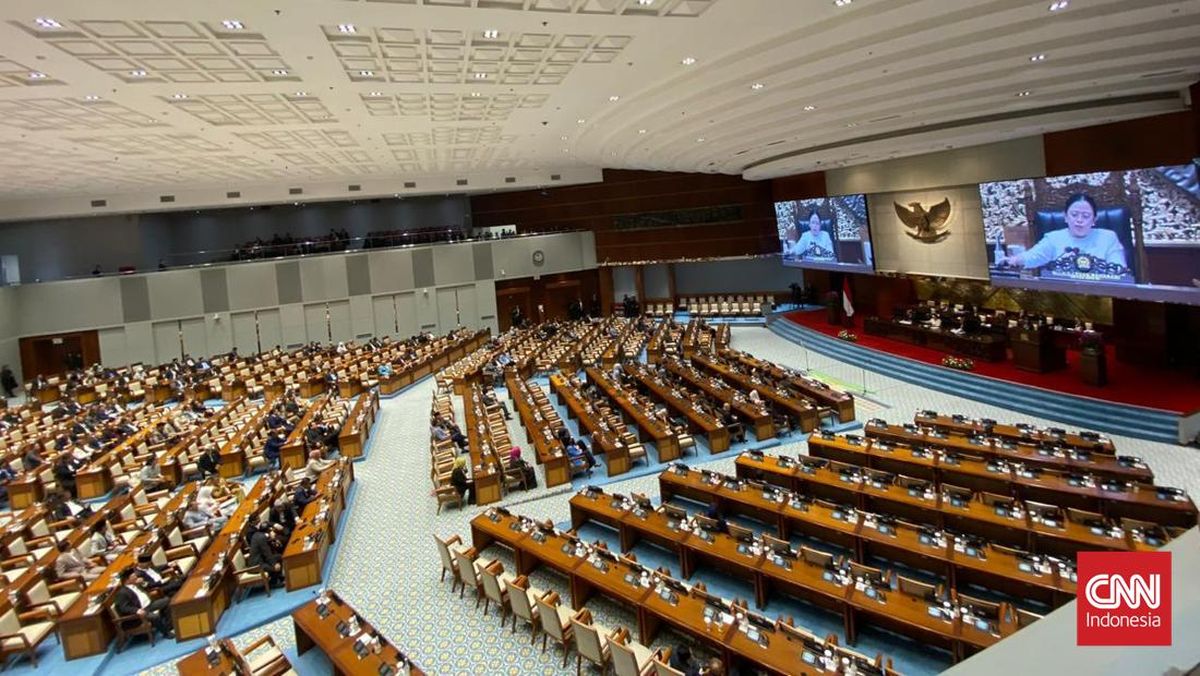
Deputy Speaker of the House of Representatives (DPR) Sari Yuliati has affirmed that the House never refused to deliberate the Asset Forfeiture Bill.
She made the statement while denying rumours circulating on social media, insisting that reports claiming the DPR had rejected the bill were entirely untrue.
“In connection with what is circulating on social media, the false news claiming that the DPR RI has rejected deliberation of the Asset Forfeiture Bill,” said Sari when opening the DPR Raripurna meeting on Tuesday (14 July).
She noted that the Asset Forfeiture Bill is currently included in the 2026 Priority National Legislation Programme (Prolegnas), and remains at the drafting and aspiration-gathering stage in Commission III of the DPR.
“At present, Commission III is in the drafting stage, gathering public input in the framework of meaningful public participation,” said the Golkar Party politician.
Deputy Speaker Saan Mustopa of the NasDem faction said the Asset Forfeiture Bill has been targeted for completion this year, as it is part of the 2026 Priority Prolegnas.
However, Saan ensured that deliberation of the bill would continue to involve broad public participation.
“This is a priority for 2026. And of course, because it is a 2026 priority, we will make every effort to complete it this year,” he said.
Meanwhile, Chair of Commission III Habiburokhman said his side held an internal meeting yesterday to discuss accelerating the Asset Forfeiture Bill, while also denying rumours that the DPR refused to deliberate it.
The Gerindra Party politician said the bill is still at the aspiration-gathering stage, noting that aspiration-gathering meetings for the bill have been the most numerous of any bill so far.
“This is far more extensive than deliberation of other laws, within just the past two to three weeks,” he said.
Habib also dismissed suggestions that the DPR would slow down deliberation of the Asset Forfeiture Bill. According to him, as a DPR initiative, deliberation will proceed far more quickly than if it were a government initiative.
This is because if it were a government initiative, the problem inventory list (DIM) would be proposed by the eight factions in the DPR, making deliberation take longer. Conversely, with a DPR initiative, the DIM is proposed by the government, making the process faster.
“That would generate a great many DIMs — eight times as many as if it were proposed by the government,” said Habib.