
DPR Commission VII Highlights High Poverty Rates in Industrial Areas
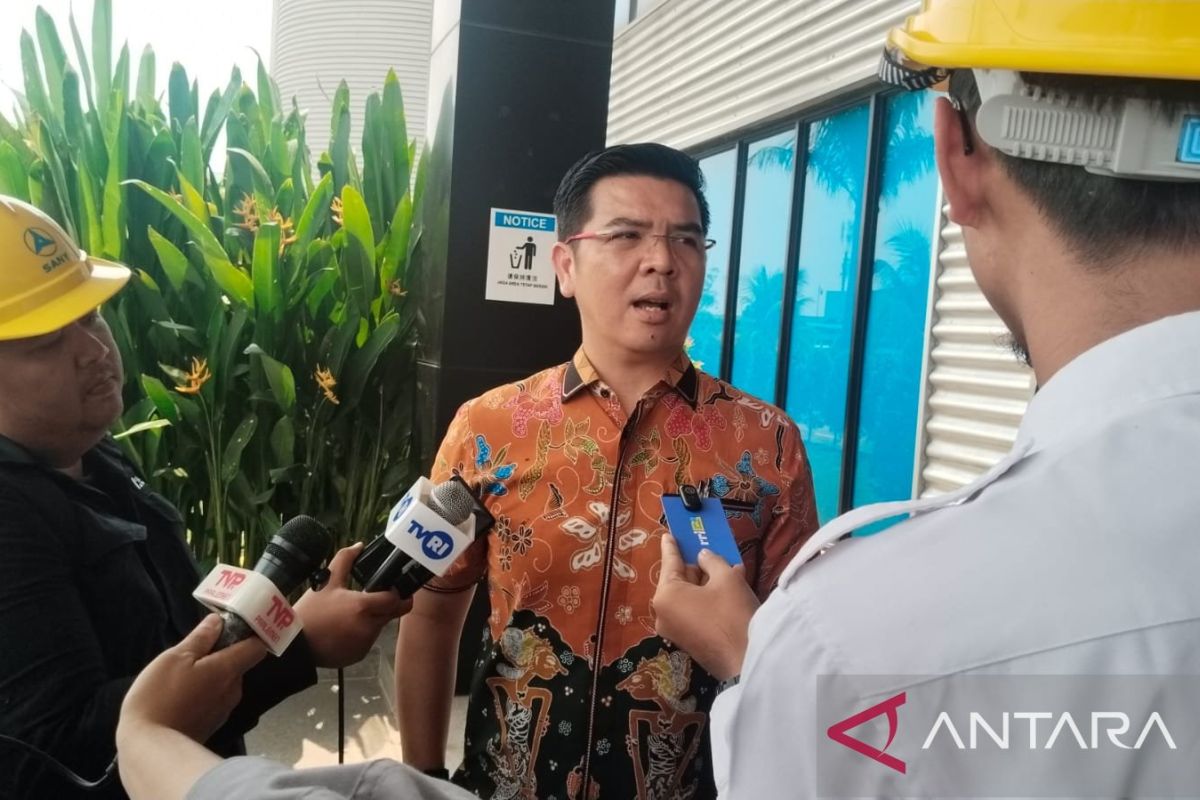
The Indonesian House of Representatives (DPR) Commission VII has highlighted the high poverty rates in industrial areas, which it attributes to Corporate Social Responsibility (CSR) schemes that only provide short-term assistance.
Bane Raja Manalu, a member of Commission VII, stated during a working visit to the Mitra Karawang Industrial Estate in Karawang Regency, West Java, on Monday, that the presence of industrial zones should bring benefits to the local region. At the very least, industrial presence should drive economic growth and improve the welfare of local communities. However, the reality is a stark contrast; despite the significant circulation of money within industrial areas, high levels of poverty persist.
“This is not only happening in Karawang; I visited Tangerang and found similar high poverty rates,” he said.
In Karawang, for example, despite the abundance of industrial estates, more than 7 per cent, or approximately 169,000 people, are categorised as living in extreme poverty. “It is an irony that amidst the circulation of trillions of rupiah, there are still many very poor residents,” he added.
According to Manalu, this condition warrants serious attention and may be caused by inappropriate CSR distribution schemes. Currently, CSR tends to be oriented towards short-term aid that fails to target the root causes of the problem.
“CSR should not merely consist of distributing cooking oil during Eid or providing a cow during Eid al-Adha. The solution must be systemic. We are encouraging industrial estates and their tenants to be obligated to mentor and educate school-aged children around the location so that there are no more stories of children dropping out of school,” he stated.
Furthermore, to ensure the optimal absorption of local labour, industrial estate managers should invest in improving the quality of Human Resources (HR) through the construction of job training centres or vocational schools. “If industrial estates want to absorb local residents, they have an obligation to provide platforms for skilling and upskilling, at the very least through vocational schools. This way, the absorbed workforce truly possesses the capacity required by the industry,” he said.
Manalu expressed hope that the ratification of the Industrial Estate Bill will serve not only as a legal umbrella and a control function but also as a means for state intervention to accelerate the eradication of extreme poverty and achieve economic equality around industrial zones.
Source: jawawa.id (https://jawawa.id/newsitem/dpr-commission-vii-highlights-high-poverty-rates-in-industrial-areas-1791208770)
Originally published by Antara (Indonesian) (https://www.antaranews.com/berita/5772361/komisi-vii-dpr-soroti-tingginya-angka-kemiskinan-di-daerah-industri), translated from Indonesian