
DPR Commission V Chairman Opposes VAT on Toll Roads: It Would Burden the People
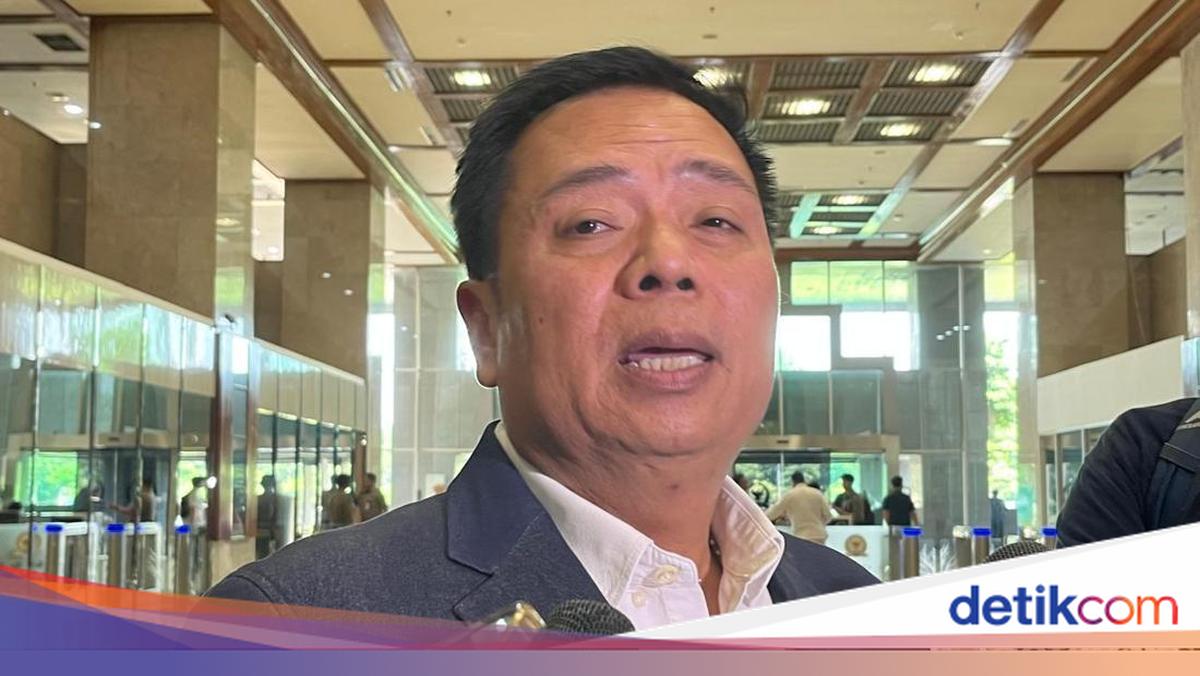
Chairman of DPR Commission V, Lasarus, has responded to the plan for Value Added Tax (VAT) on toll roads. Lasarus stated that the policy would ultimately burden toll road users.
“Certainly, the cost burdens arising on toll roads will ultimately impact toll road users,” Lasarus told reporters on Wednesday (22/4/2026).
This PDI Perjuangan politician admitted he does not agree with the proposal. Lasarus said the regulation would burden the people given the current uncertain geopolitical and economic conditions.
“I certainly do not agree; anything that burdens the people in the difficult situation we face now, with soaring fuel prices that will certainly increase the economic burden on society,” he said.
The plan to impose VAT on toll roads has emerged in public discourse. The Directorate General of Taxes (DJP) of the Ministry of Finance stated that the plan is still in the policy planning stage and is not currently in effect.
Director of Outreach, Services, and Public Relations of DJP, Inge Diana Rismawanti, said that to date, there is no regulation governing the imposition of VAT on toll road services. Thus, there has been no change in tax treatment applied to the public.
“Regarding the issue of collecting VAT on the provision of toll road services, this matter is currently still in the policy planning stage and has not become an applicable provision,” Inge said in a written statement quoted by detikFinance on Tuesday (21/4/2026).
The plan to impose VAT on toll road services appears in the DJP’s 2025-2029 Strategic Plan (Renstra). The policy is drafted in the Draft Minister of Finance Regulation (RPMK) on expanding the tax base for more equitable taxation, with a completion target in 2028.
Inge stated that the inclusion of this topic reflects the direction of strengthening future policies, particularly in expanding the tax base more proportionally, maintaining equitable tax treatment across types of services, and supporting fiscal sustainability for development financing, including infrastructure. If implemented, the policy will be ensured through a careful process and in-depth studies.
“Regarding the collection mechanism, if this policy is to be formalised, it will certainly go through a comprehensive and careful process, including in-depth studies, cross-ministerial/institutional coordination, and consideration of impacts on society, the business world, and the transportation sector at large,” she said.
Inge assured that every tax policy taken will still prioritise principles of justice, legal certainty, and administrative ease, as well as considering people’s purchasing power. If VAT on toll road services is implemented, official information will be conveyed later.
“If the policy is later established, official information will be conveyed openly through government communication channels,” she added.