
DPR Commission IX Welcomes BGN's Moratorium on SPPG Construction
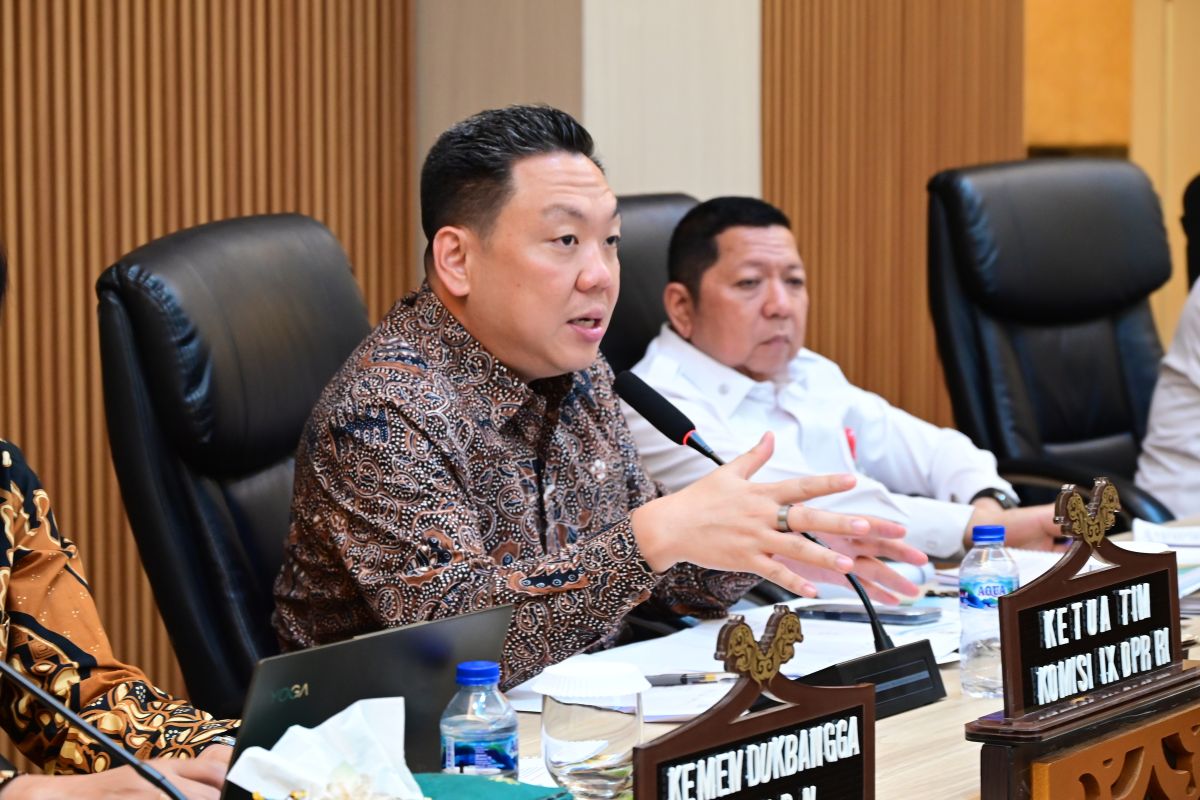
The Deputy Chairman of Commission IX of the Indonesian House of Representatives, Charles Honoris, has welcomed the various improvement measures being implemented by the National Nutrition Agency (BGN). Speaking in Jakarta on Monday, Charles highlighted the moratorium on the construction of new SPPG kitchens, the refocusing of beneficiaries, and the shift in focus from programme quantity to quality within the Free Nutritious Meal (MBG) programme.
According to him, this new policy direction has been long-awaited by the House of Representatives to ensure the programme operates more effectively and efficiently, delivering a tangible impact on improving the nutritional status of the population. “The moratorium on the construction of new kitchens deserves support as an opportunity for the BGN to conduct a comprehensive evaluation of programme governance,” said Charles.
He noted that this policy should serve as a momentum for the BGN to improve standard operating procedures (SOPs), enhance human resource quality, and ensure that all operational kitchens meet established food safety and nutritional quality standards. Given the current pressures on the state’s finances, he assessed that halting expansion to prioritise improvements is a wise and responsible choice.
“We also consider the refocusing of beneficiaries to be a rational and needs-based policy,” he added. He argued that the MBG programme should not be positioned as a universal programme, but rather as a nutritional intervention instrument targeted at groups in need, such as toddlers, school-aged children from vulnerable families, pregnant women, breastfeeding mothers, and communities in areas with high nutritional problem prevalence. “In this way, the state budget can be focused on producing real and measurable nutritional improvement impacts.”
Consequently, he stated that Commission IX supports the BGN’s new policy direction to sharpen the target beneficiaries, as not all children necessarily need to be recipients of the MBG. Furthermore, he suggested that this period of improvement should be used to encourage a transformation in the MBG delivery model, moving from a centralised SPPG kitchen approach towards a school-based kitchen model.
This model, he noted, allows for management that is closer to the beneficiaries, utilises existing school facilities, reduces logistics and distribution costs, strengthens food quality supervision, and opens space for school and community participation in the programme’s implementation. “The school-based kitchen approach is also more aligned with the primary goal of the MBG as a nutritional intervention. Schools can play a more active role in ensuring food quality, nutritional education, and monitoring the condition of the students targeted by the programme,” Charles said.
He concluded by stating that the success of the MBG should not be measured solely by the number of beneficiaries, but by the extent to which the programme can reduce nutritional issues, improve children’s health, and enhance the quality of Indonesia’s human resources. “Therefore, the steps of moratorium, sharpening of beneficiary targets, and strengthening of service quality currently undertaken by the BGN deserve support from all stakeholders.”