
DPR Commission IX: Success of Domestic Worker Protection Law Depends on Derivative Regulations and Government Synergy
The ratification of the Domestic Workers Protection Law (UU PPRT) represents a significant milestone in Indonesia’s journey towards social justice and the strengthening of the care economy.
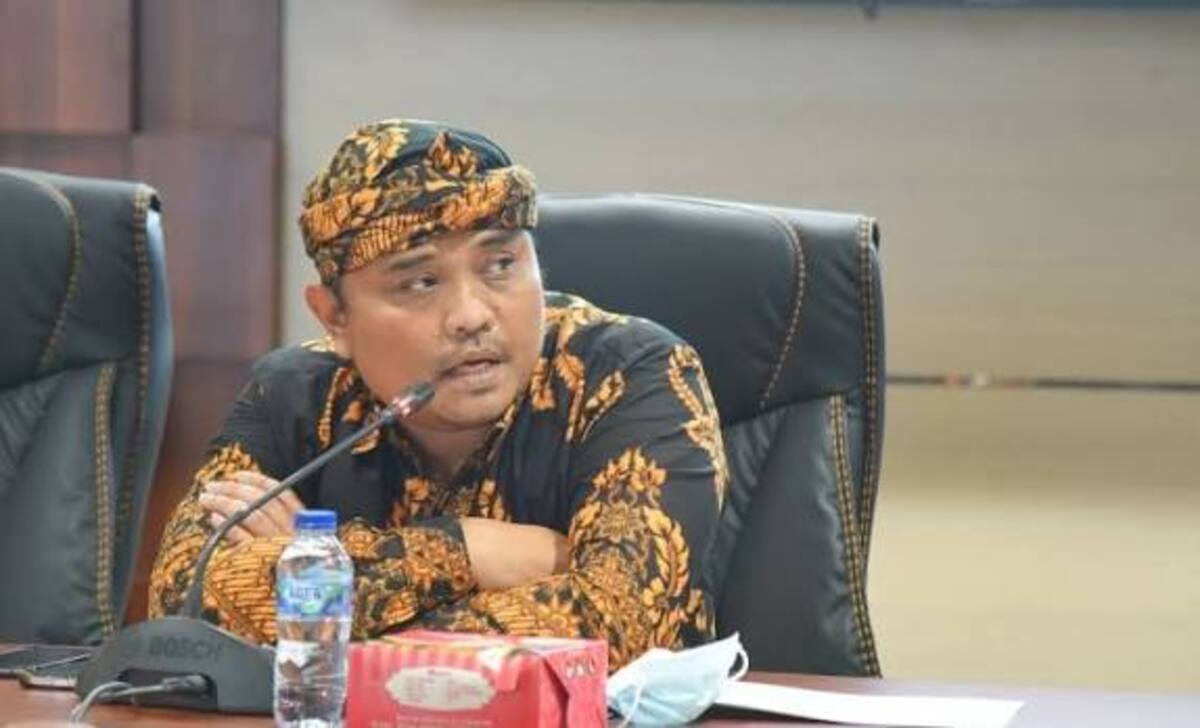
Nurhadi, a member of Commission IX of the Indonesian House of Representatives (DPR RI), asserted that the next challenge is ensuring the effective implementation of the UU PPRT through the preparation of clear and timely derivative regulations.
“After more than two decades of struggle, the state has finally stepped in to provide stronger legal recognition and protection for millions of domestic workers who have been an essential part of supporting family life and national economic activities,” Nurhadi stated during the Denpasar 12 Discussion Forum on Wednesday.
According to him, the government must immediately finalise various implementing rules, ranging from Government Regulations (PP) and Ministerial Regulations (Permen) to other technical regulations, to prevent implementation delays similar to those experienced with previous regulations.
“Derivative regulations must be completed quickly and measurably to avoid the legislative delays of the past. If this law is passed this year, it must be practicable in the field by next year,” he added.
Nurhadi also confirmed that Commission IX of the DPR RI will continue to oversee the regulatory harmonisation process alongside the Ministry of Manpower to ensure that the substance of protection for domestic workers is not diminished during the drafting of derivative rules.
Furthermore, he emphasised the importance of providing complaint channels that are easily accessible, safe, and responsive for domestic workers across Indonesia. Strengthening the capacity of regional labour inspectors is also necessary so that protection can reach the domestic sector, which has historically been difficult to supervise.
In the context of developing the care economy, Nurhadi noted that clear sectoral leadership and synergy between ministries are required for effective policy implementation.
He mentioned that the Ministry of Manpower, the Ministry of Women’s Empowerment and Child Protection (KPPPA), and the Ministry of Home Affairs need to work in an integrated manner, as the majority of domestic workers are women.
“We need a firm leading sector to minimise overlapping authorities. The principle of gender equality must also serve as the foundation for all the technical instruments to be drafted,” he said.
Nurhadi concluded that such synergy is vital to ensure that the resulting regulations truly benefit both domestic workers and their employers.
Source: jawawa.id (https://jawawa.id/newsitem/dpr-commission-ix-success-of-domestic-worker-protection-law-depends-on-derivative-regulations-and-government-1781700660)
Originally published by Media Indonesia (https://mediaindonesia.com/humaniora/901520/komisi-ix-dpr-keberhasilan-uu-pprt-ditentukan-regulasi-turunan-dan-sinergi-pemerintah), translated from Indonesian