
DPR Commission IX Calls for Phased Tobacco Regulations
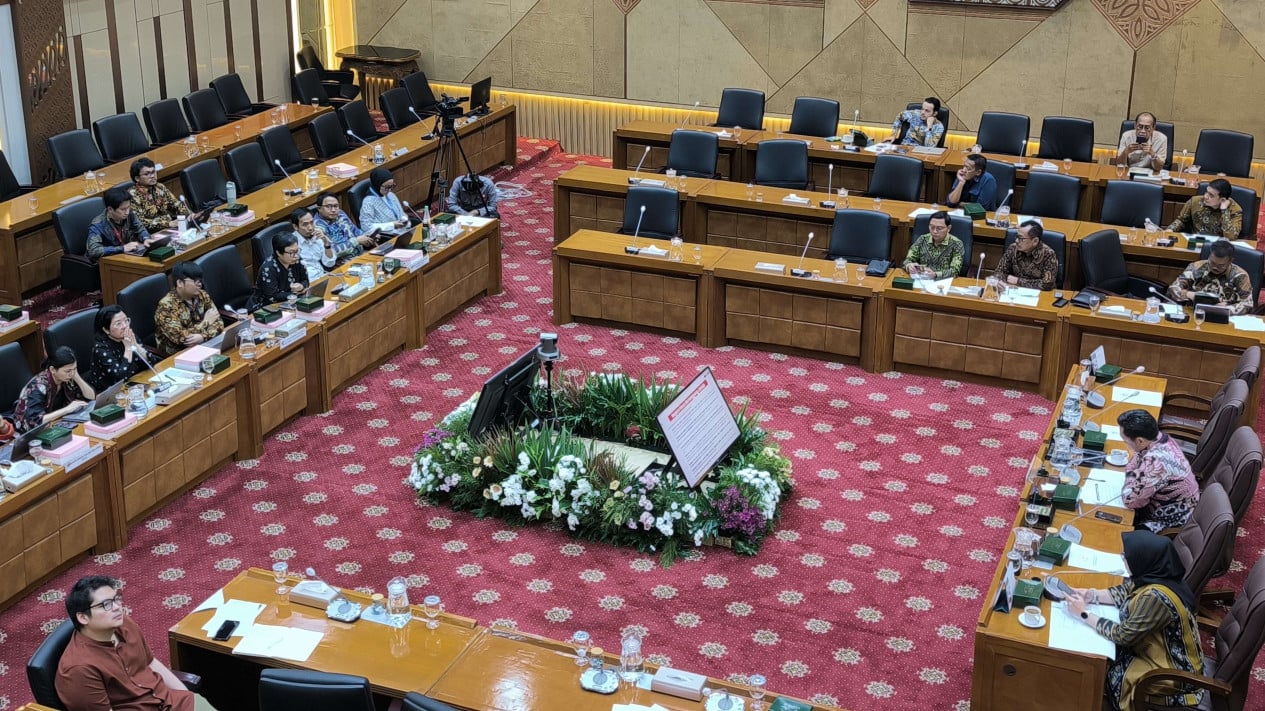
House of Representatives Commission IX has urged the government to proceed cautiously in drafting regulations on nicotine and tar limits in tobacco products. Lawmakers argue the policy must account for its impact on the tobacco industry, workforce, and tobacco farmers across various regions.
Zainal Munasichin, a member of Commission IX, stated that maximum nicotine and tar limits must be based on comprehensive and comparative research to ensure proportionate policies.
He added that tobacco regulations extend beyond health concerns, encompassing economic and labour aspects, thus requiring the government to assess all impacts before implementation.
‘To determine which harm we must avoid the most, comprehensive and comparative research is essential,’ Zainal said in a written statement on Friday, 29 May 2026.
He explained that Commission IX must balance public health and employment sustainability, making a moderate approach preferable to avoid extreme measures from either side.
Alongside nicotine and tar limits, the tobacco sector faces subsidiary regulations under Government Regulation No. 28 of 2024, including proposals for plain packaging and bans on certain additives in production.
Zainal warned these policies could undermine the industry’s ability to sustain jobs and economic contributions from tobacco.
He also highlighted the importance of tobacco excise revenue, a key funding source for government programmes, including support for the BPJS Kesehatan PBI scheme.
‘We want to see this as proportionate,’ he said.
Labour Ministry data shows 15,425 workers were affected by layoffs from January to April 2026, up from 8,389 in the first quarter.
Zainal urged the government to consider these factors when drafting new tobacco policies, stressing the need to balance health, economic, fiscal, and employment concerns.