
DPR Commission I Welcomes US-Iran Peace: Potential to Lower Oil Prices and Inflation
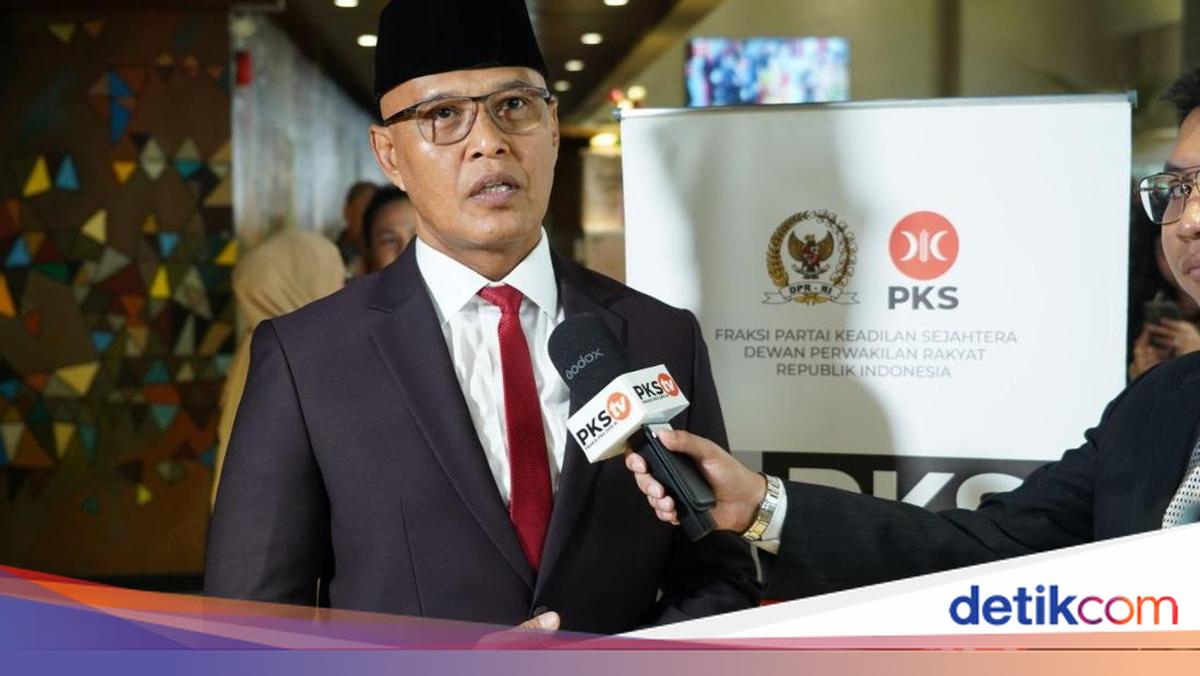
Wakil Ketua Komisi I DPR Sukamta has welcomed the peace agreement between the United States and Iran, assessing that it could have a significant impact on Middle East stability. “I welcome the peace agreement between the United States and Iran. Whatever the final form and details of the agreement, the cessation of armed conflict is a positive step for regional stability in the Middle East and global security,” Sukamta told reporters on Tuesday (16/6/2026). Sukamta believes Indonesia could also feel direct positive impacts, particularly in the economic and energy sectors. “The Strait of Hormuz is one of the world’s most important energy shipping lanes. Easing tensions in the region could reduce pressure on global oil prices, maintain energy supply stability, and help curb inflation risks and rising logistics costs that affect the public,” he said. However, the PKS politician cautioned that the peace deal does not immediately resolve all issues. He noted that several strategic matters still require long-term commitment and process from all parties involved. “Therefore, the international community must continue to encourage that the peace achieved is not temporary, but develops into sustainable stability,” he stated. He added that this event serves as a lesson that armed conflict ultimately returns to the diplomatic path. Thus, dialogue, negotiation, and respect for international law must be the primary choices in resolving disputes between nations. “Indonesia has consistently encouraged conflict resolution through peaceful means. Indonesia’s free and active foreign policy stance remains relevant amidst rising geopolitical rivalries,” he said. “We have no interest in seeing conflict escalate, but rather in the creation of international stability that supports national development and public welfare,” he continued. He also urged the government to use this momentum to strengthen national energy security. According to him, even a short-lived conflict can expose the vulnerability of energy-importing countries to global geopolitical shocks. “Furthermore, Indonesia must learn that the world is entering an increasingly uncertain era. The conflicts in Ukraine, Gaza, tensions in the South China Sea, and the confrontation between Iran and the United States show that global stability can no longer be considered permanent,” he explained. “Therefore, in addition to strengthening diplomacy, Indonesia must also continue to bolster national resilience, whether in defence, food, energy, technology, or cyber security, so as not to be overly vulnerable to external shocks,” he added. Sukamta expressed hope that the US-Iran peace agreement would not only end tensions between the two countries but also serve as a first step towards peace in the Middle East. “Including the resolution of various ongoing conflicts in the region, particularly the Palestinian conflict, which to this day remains a source of instability and immense humanitarian suffering,” he said. Previously, US President Donald Trump announced that a peace agreement with Iran had been reached, officially ending the US Navy blockade of the Strait of Hormuz. “I hereby fully authorise the opening of the Strait of Hormuz without toll charges, and simultaneously authorise the immediate lifting of the United States Navy blockade,” Trump wrote, as reported by CNN. “Ships of the world, start your engines. Let the oil flow!” Trump added. Trump’s announcement came shortly after Pakistani Prime Minister Shehbaz Sharif declared that Iran and the US had agreed to peace. On his Truth Social platform, Trump confirmed the news, stating that all documents for the peace agreement with Iran had been finalised. “The deal with the Islamic Republic of Iran is now done. Congratulations to all!” Trump said. The United States and Iran have agreed to peace to end the war, with the peace agreement set to be signed on 19 June.