
DPR Calls for Balanced Film Ecosystem to Ensure Industry Sustainability
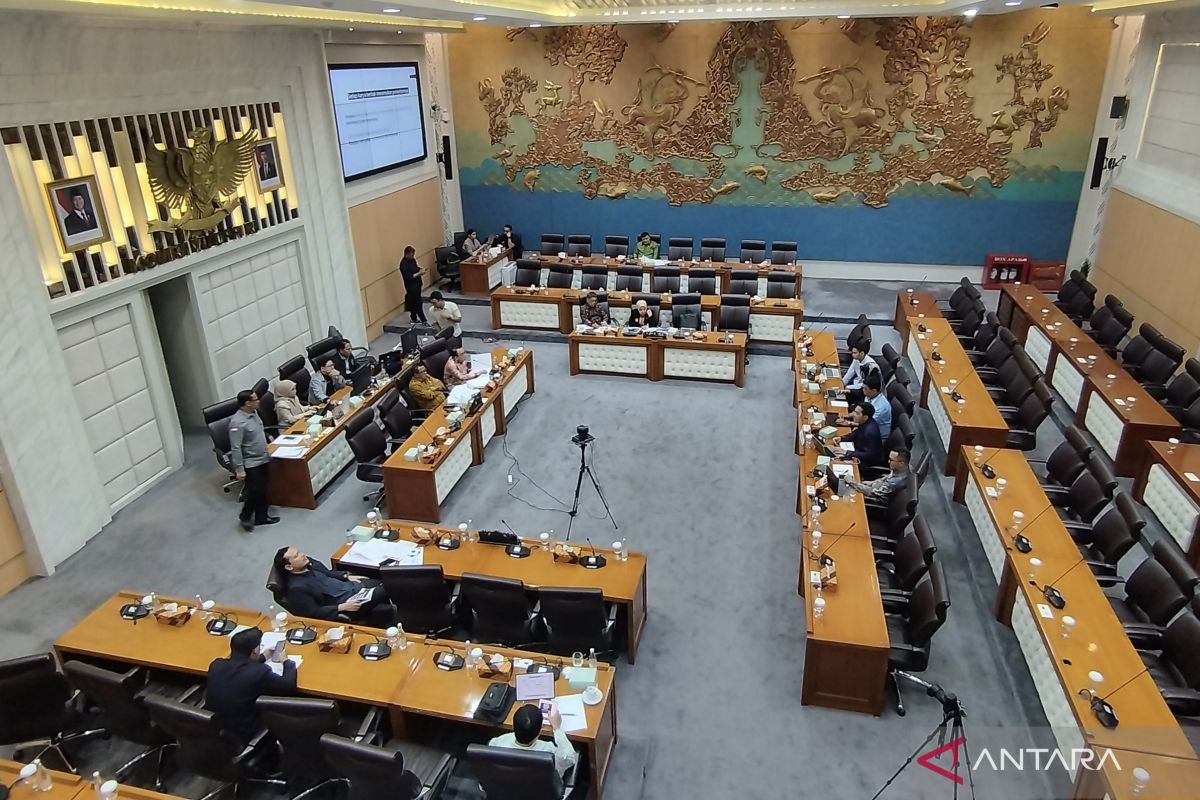
Jakarta (ANTARA) - Deputy Chairman of the House of Representatives’ Commission VII, Lamhot Sinaga, stated that the film ecosystem, which consists of three main interconnected links—production, distribution, and exhibition—must run in a balanced manner for the industry to grow sustainably. He noted that the main challenge for the national film industry has shifted. While the biggest hurdle was previously production capacity, the bottleneck is now in the downstream sector, namely distribution and access to screening space. “If production grows but distribution is blocked, the industry will not be healthy. A film made with high costs and creativity will have no economic value if it does not get the opportunity to meet its audience,” Lamhot said during a working committee meeting on Creativity and National Film Distribution at the parliament complex in Jakarta on Monday. He assessed that Indonesia is currently in a crucial phase of film industry development. In terms of production, the number of national films continues to increase, the quality of creators is constantly developing, and new talent is emerging from various regions. “Indonesia does not lack ideas, creators, or stories. The problem is how these works can meet the audience through a healthy and fair distribution system,” he said. According to industry players, films that have fulfilled legal aspects, including passing censorship by the Film Censorship Institute (LSF), still face difficulties in obtaining adequate screens and showtimes in cinema networks. In practice, he revealed that many local films must compete on an uneven playing field. Films with large capital backing, strong promotional networks, and close ties to the distribution ecosystem have a greater chance of securing prime screens compared to films from smaller production houses. “The issue is not just whether a film can be screened or not, but whether it gets a fair opportunity to reach the audience,” said the legislator responsible for creative economy affairs. When screen access is concentrated within certain groups, he warned of the risk of structural inequality in the film industry. He noted that the Indonesian cinema market is still heavily concentrated on a few major networks, namely Cinema XXI, CGV Cinemas, and Cinépolis Indonesia. Therefore, he argued that policies are needed to maintain a balance between the business interests of cinemas and the sustainability of the creative ecosystem. He acknowledged that market mechanisms are necessary, but the state has a role in ensuring that no practices hinder the diversity of works and business opportunities. “The creative industry needs healthy competition. The state cannot allow the market to operate without regulation when there is potential for inequality that harms many parties,” Lamhot said. He stressed that future revisions to film policy must address the challenges of the times, including distribution issues, screen access, creator protection, and strengthening the national creative industry. “Indonesia has great potential to become a regional film powerhouse, but that can only happen if the entire ecosystem chain operates fairly, from production to distribution,” he concluded.