
DPR Bill Meeting: Erry Riyana Emphasates Asset Forfeiture Must Not Be Arbitrary
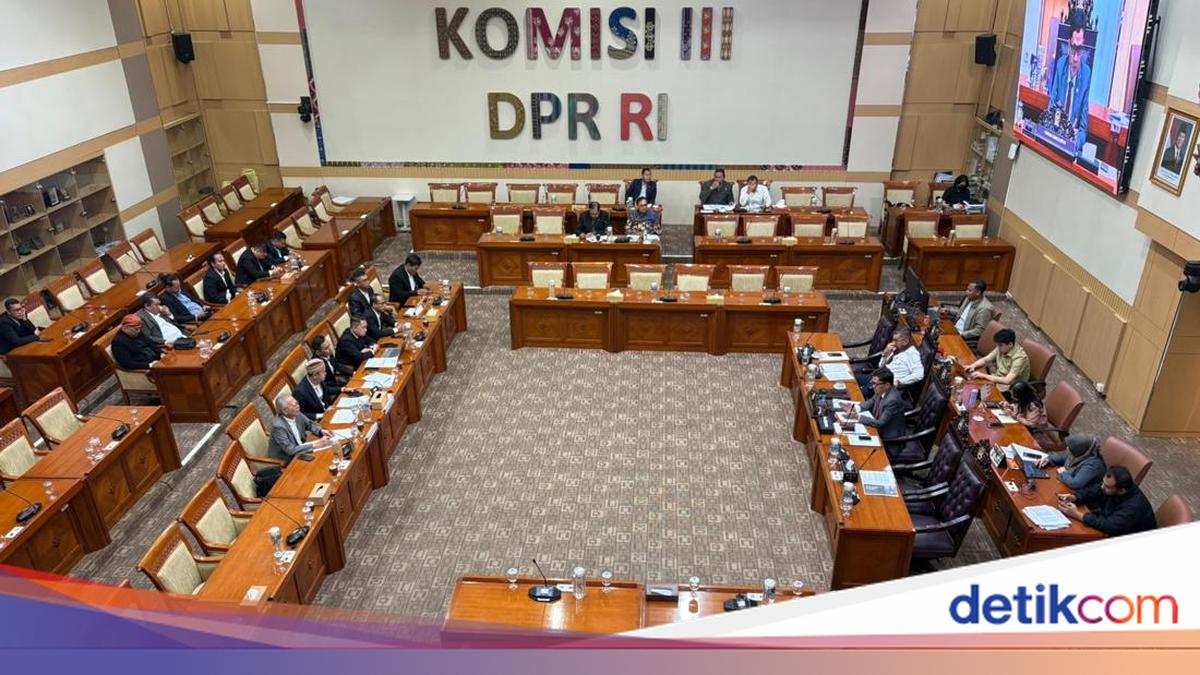
Former KPK leader Erry Riyana has warned that asset forfeiture must not be carried out arbitrarily. He stated that the seizure of assets must be supported by clear evidence resulting from thorough tracing and tracking efforts.
These remarks were made by Erry during a public hearing with Commission III of the House of Representatives (DPR) discussing the Asset Forfeiture Bill at the DPR building in Senayan, Jakarta, on Monday (21/09/2026). He requested that the Bill should not be applied to everyone without the presence of strong evidence.
“Do not allow asset forfeiture to be done haphazardly, Sir. It should not apply to everyone without clear evidence. The issue is that law enforcement officers are sometimes somewhat lazy or lack the capability to conduct tracing and tracking,” said Erry.
Erry noted that the results of tracing and tracking can subsequently serve as evidence. According to him, if the evidence obtained is strong, an asset can be forfeited to the state.
“The results of this tracing and tracking are what will actually serve as valid and highly convincing evidence for forfeiture or, shall we say, recovery,” he mentioned.
Furthermore, Erry spoke about the importance of improving both law enforcement agencies and the enforcement process itself. He believes both must be improved so that the law can function effectively.
“Therefore, I want to invite us all to focus on how to improve law enforcement and the law enforcers themselves,” he stated.
Erry also touched upon his previous proposal for law enforcement reform, which was intended to begin with the Supreme Court (MA) during the administration of Indonesia’s 6th President, Susilo Bambang Yudhoyono (SBY). However, he noted that such improvements have not yet been fully realised.
“When we were commissioners at the KPK, we recommended to Mr SBY at that time to prioritise the bureaucratic reform of law enforcement,” he said.
“Starting with the Supreme Court, the Attorney General’s Office, and then the Police. But only a small part has been implemented, namely the Supreme Court,” he added.