
DPR Assesses Danantara Restructuring Could Strengthen SOE Performance
Jakarta, VIVA – The move by the Daya Anagata Nusantara Investment Management Agency (BPI Danantara) to restructure state-owned enterprises (SOEs) by cutting the number of entities from more than 1,000 to around 200-300 companies has received support from various quarters. The policy is considered capable of reducing overlapping businesses while restoring the focus of SOEs on strategic sectors.
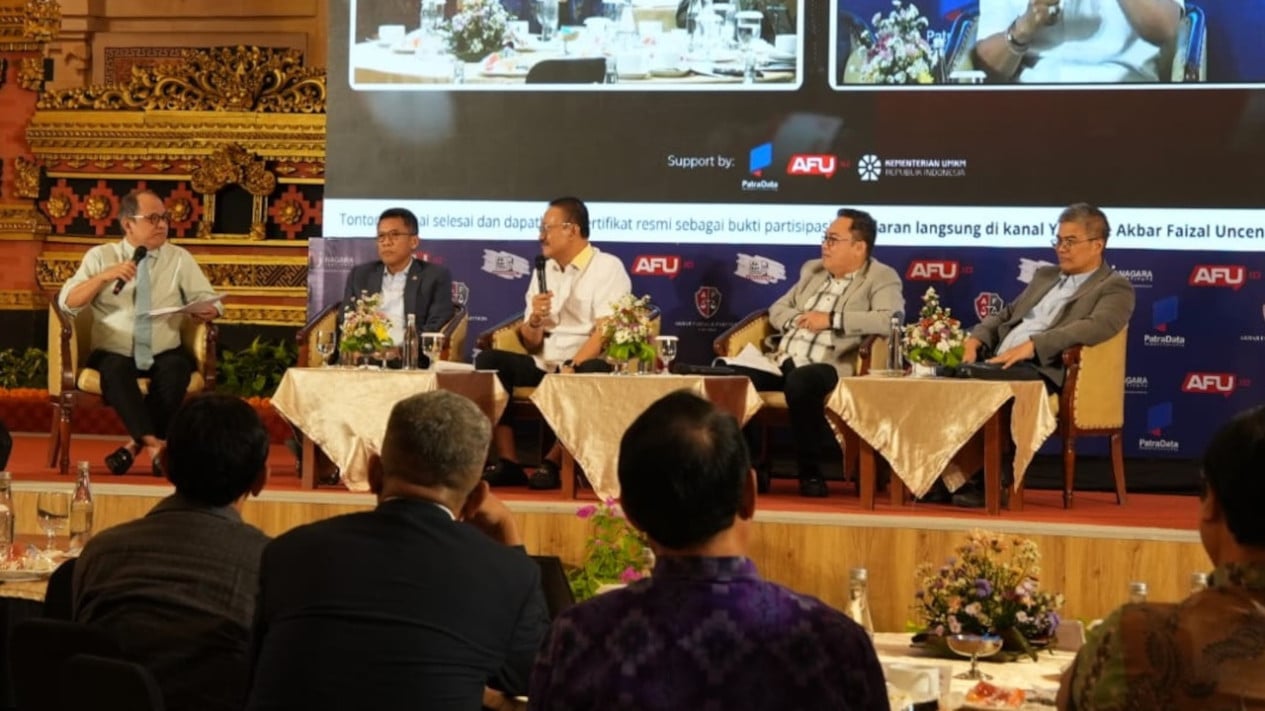
The support emerged during a Round Table Discussion (RTD) organised by the Nagara Institute and Akbar Faizal Uncensored (AFU), titled ‘Hundreds of SOEs Forcibly Closed: The Final Gamble to Save the Nation’s Business Units’. The forum brought together members of the House of Representatives (DPR), academics, and economic observers to discuss the direction of restructuring state companies.
Akbar Faizal, Executive Director of the Nagara Institute, said all input from the forum would be compiled into recommendations to be submitted to President Prabowo Subianto. According to him, discussions about the future of SOEs need to be built on constructive, data-driven criticism.
‘We will produce a book of critical notes which we will then hand over to the President,’ he said, quoted on Sunday, 26 July 2026.
Gde Sumarjaya Linggih, a member of Commission VI of the DPR RI, said the establishment of SOEs must essentially have a strategic purpose and be oriented towards national development interests. Therefore, the government is considered to need to evaluate entities running businesses that the private sector is actually capable of handling.
According to the politician, who is familiarly known as Demer, SOEs were initially created to answer the needs of the state, from safeguarding strategic sectors and carrying out government assignments to promoting development in underdeveloped regions. He said that framework should once again become the reference in structuring SOEs going forward.
He assessed that, over time, many state companies have developed various business lines no longer directly related to their core businesses. This situation has led to the emergence of various derivative entities that are considered potentially reducing companies’ focus on their main mandates.
Demer also believes that financial consolidation through Danantara can accelerate the handling of companies experiencing performance problems. With more integrated asset management, the government is seen as having greater room to improve entities in need of support or to seize new investment opportunities.