
DPR: Agroforestry a long-term solution to prevent illegal forest plundering
Jakarta (ANTARA) - The Indonesian House of Representatives (DPR) Commission IV has stated that the expansion of forest-based food security partnership programmes, known as agroforestry, is an effective long-term solution to prevent the rise of illegal looting and logging in forest areas.
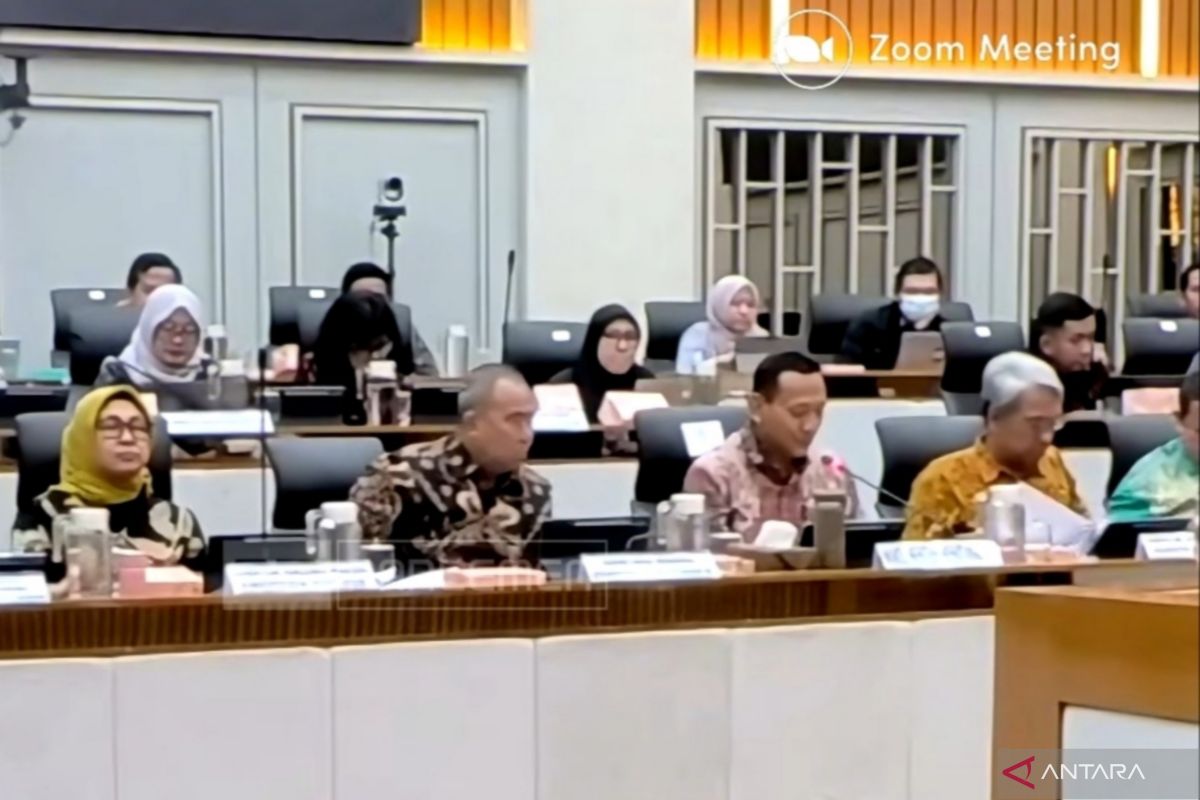
During a working meeting with the Deputy Minister of Forestry at the Parliament Building in Jakarta on Thursday, Ilham Pangestu, a member of Commission IV, stated that the legal involvement of villagers within forest areas through this scheme would create a strong ecological defence.
“The expansion of agroforestry programmes is an effective long-term solution to prevent illegal looting of forest areas. Through these activities, villagers will participate in forest conservation because they receive direct economic benefits,” he said.
Ilham explained that if these productive economic programmes are increased, the operational space for illegal loggers will shrink, as local residents will voluntarily conduct independent monitoring to protect their livelihoods.
This step is considered urgent for adoption in the 2027 budget posture to evaluate conventional monitoring systems, which have proven suboptimal, partly due to the limited number of forest ranger personnel within the Ministry of Forestry.
Forest areas experiencing shrinkage or damage, which have triggered massive floods and landslides in Aceh, North Sumatra, and West Sumatra, have reached 1.2 million hectares, according to satellite imagery monitoring reports.
Therefore, Commission IV expects the Ministry of Forestry to focus on allocating agroforestry utilisation budgets in areas prone to illegal logging as a mitigation instrument within the 2027 State Budget (APBN).
Through a commitment to integrated agroforestry expansion, Ilham is optimistic that the government will not only be able to reduce the annual rate of deforestation but also achieve post-disaster environmental recovery based on public welfare.
During the meeting, Deputy Minister of Forestry Rohmat Marzuki ensured the improvement of community welfare around forest areas by increasing the community-based expenditure allocation by 28.84 per cent to Rp667.92 billion in the 2026 Fiscal Year work plan.
The total allocated budget is equivalent to 26 per cent of the ministry’s total technical activity ceiling, which reaches Rp3.297 trillion.
This increase in fiscal stimulus for the community will be distributed through labour-intensive programmes, including community-based forest and land rehabilitation, as well as the provision of productive economic tools to stimulate the village economy.
Furthermore, these funds will also be channelled to strengthen the capacity of social forestry business groups, provide intensive assistance to forest farmer groups (KTH), and ensure the active involvement of residents in forest and land fire prevention patrol systems.
On the other hand, to support the national macro cluster, the Ministry of Forestry will continue to align its remaining technical budget of over Rp2.3 trillion to strengthen food, energy, and water security through forest-based food security schemes.