
DPR Agrees with BGN Plan to Cut Free Nutritious Meal Beneficiaries, Saving Trillions in Budget
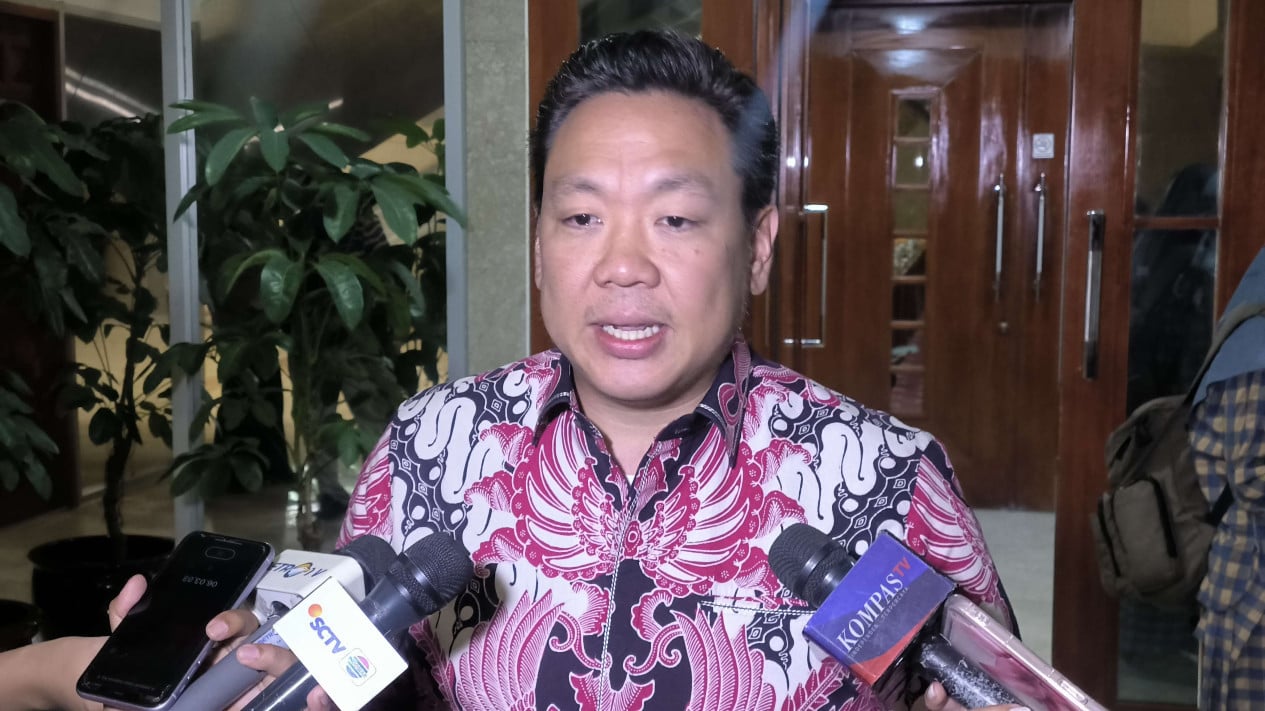
The Deputy Chairman of Commission IX of the Indonesian House of Representatives (DPR RI), Charles Honoris, has stated his agreement with the National Nutrition Agency’s (BGN) move to reduce the number of recipients for the Free Nutritious Meal (MBG) programme.
He noted that based on the primary objectives of the MBG programme, not all children necessarily require the service. “If we refer to the initial goal of this programme, which is to improve children’s conditions, specifically their nutritional status and reducing stunting rates, it means not all children need to be provided with meals,” Charles stated on Tuesday, 16 June 2026.
The PDIP politician suggested that MBG beneficiaries should be focused on pregnant women, breastfeeding mothers, and children from families within deciles 1 to 3. According to Charles, reducing the number of recipients could save the State Budget (APBN) by trillions of rupiah.
“If I calculate it, it would be no more than 25 million people. Therefore, if the number of beneficiaries is only 25 million, or even let’s say 30 million, the budget might not reach Rp200 trillion,” he said. “Perhaps 100 trillion rupiah would be sufficient, which would significantly save our state budget, and the beneficiaries would be much more focused on those who truly need it,” he added.
Previously, the Deputy Head of the BGN, Agustina Arumsari, explained that the agency is currently evaluating its management, which includes reducing the number of MBG recipients. In relation to this, the BGN has consulted with the Ministry of Health and other relevant institutions.
“According to the Ministry of Health, nutritional intervention should be carried out, for example, from the time of conception until the first 1,000 days of life to ensure maximum brain volume development,” Arum said, as reported on Tuesday (16/6/2026). “Then, nutritional intervention continues up to two years of age, and through subsequent ages, in the form of nutritional fulfillment.”
Consequently, the BGN is conducting an evaluation of beneficiaries. According to Arum, high school students will likely be removed from the MBG recipient list, as will junior high school students in high-cost school categories. “For example, high school students might no longer need MBG. Especially for junior or senior high school students in high-class categories, where students’ pocket money might already be Rp100,000 or Rp200,000, they do not need it anymore,” Arum explained.
Source: jawawa.id (https://jawawa.id/newsitem/dpr-agrees-with-bgn-plan-to-cut-free-nutritious-meal-beneficiaries-saving-trillions-in-budget-1781589131)
Originally published by VIVA.co.id (https://www.viva.co.id/berita/nasional/1906326-hemat-anggaran-triliunan-rupiah-dpr-sepakat-bgn-pangkas-penerima-manfaat-mbg), translated from Indonesian