
DPR Absorbs Labour Aspirations, Accelerates Manpower Bill
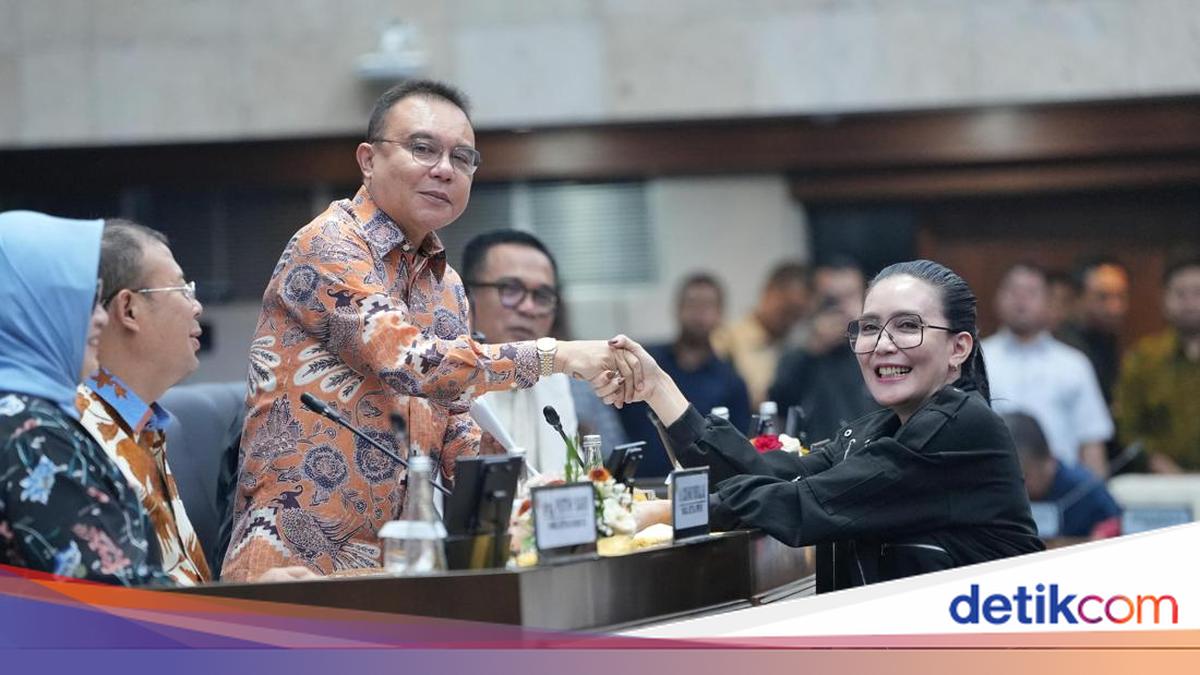
Deputy Speaker of the House of Representatives (DPR) Sufmi Dasco Ahmad received representatives from trade unions and labour unions at the parliament complex in Senayan, Jakarta. The meeting was held to gather input for the drafting of the Manpower Bill.
The meeting was also attended by Deputy Speaker Saan Mustofa, Chair of the DPR Legislation Body Bob Hasan, and leaders of various confederations, federations, and trade unions on Thursday (13/8/2026).
The Manpower Bill currently being drafted is a new law following up on Constitutional Court Decision Number 168/PUU-XXI/2023. The court has given until 31 October 2026 to establish a standalone law governing manpower outside of the Job Creation Law.
Dasco stated that the drafting process has been underway through the working committee of DPR Commission IX. The initial draft prepared by the DPR’s Expertise Body consists of 19 chapters and 224 articles, while various proposals from trade unions are being collected as material for deliberation.
“The draft submitted consists of 19 chapters and 224 articles. If there are any shortcomings, we can add them during the discussion,” Dasco said.
Previously, the DPR leadership had also received a draft proposal from 18 trade union and labour confederations, which was then forwarded to DPR Commission IX as material for the drafting process.
Dasco emphasised that the space for input remains open so that the substance of the bill can be enriched from the various perspectives of workers and labourers.
“So that the law becomes richer and more complete, and of course so that it can better address the needs of workers or labourers. For that reason, today I am opening the space for the submission of input and then we will discuss it,” Dasco said.
From the labour side, President of the Indonesian Trade Union Confederation (KSPI) Said Iqbal raised several issues that he believes need attention, ranging from wages, layoffs and severance pay, foreign workers, working hours, outsourcing, to contract workers.
“Our proposals are certainly far from perfect,” Said said.
He expressed hope that the various proposals from labour groups can complement each other and serve as material in the deliberation of the Manpower Bill. Said also hoped that the deadline set by the Constitutional Court would not cause the deliberation to be rushed and would still provide adequate space for participation by workers and labourers.
According to Dasco, if there are differences of opinion among trade unions or with the Indonesian Employers’ Association (Apindo), the DPR will facilitate dialogue to find common ground.
“If there are differences among the unions, we will resolve them. Where there are differences with Apindo, we will sit down together, and where we need to agree together with the government, we will also sit down together,” Dasco said.
Through this meeting, the DPR aims to keep the drafting process of the Manpower Bill open and participatory, taking into account various inputs from workers, labourers, employers, and the government in the subsequent deliberations.