
DPR: 2027 Regional Transfer Policy Aimed at Regional Welfare
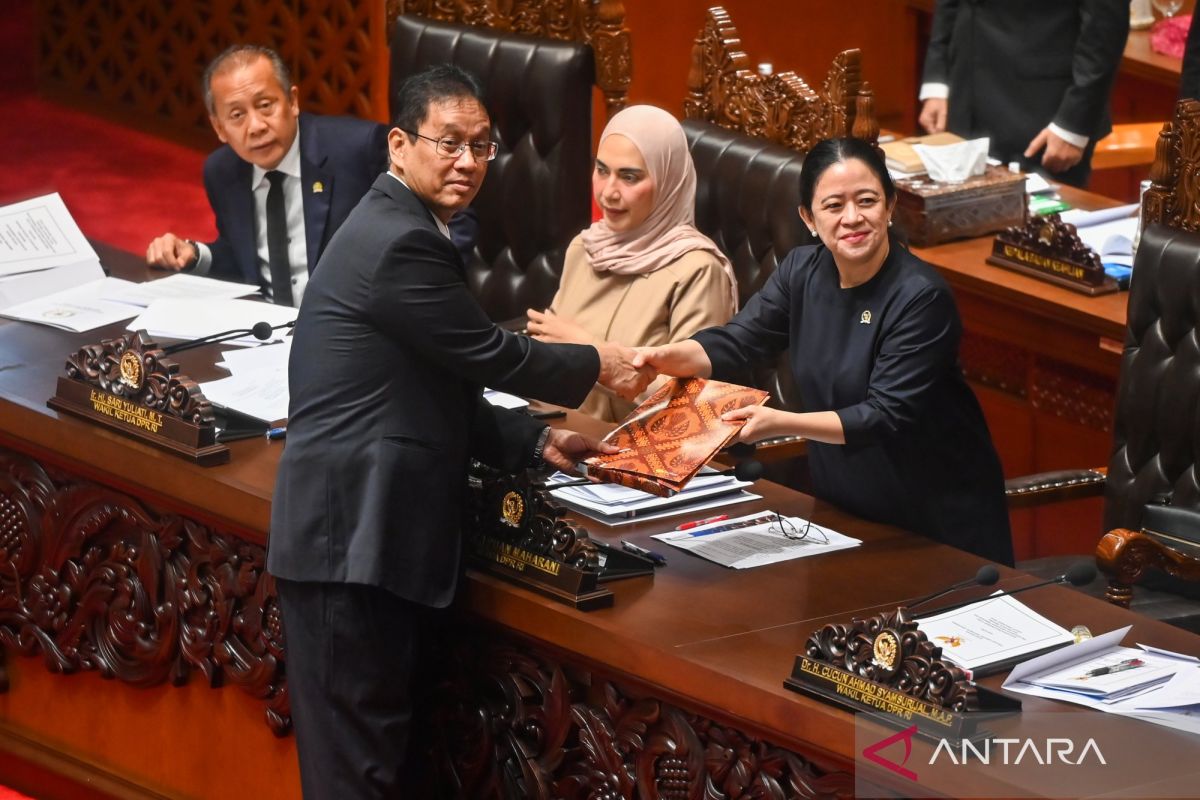
The Budget Committee (Banggar) of the Indonesian House of Representatives (DPR RI) has stated that the regional transfer (TKD) policy in the 2027 State Budget Draft (RAPBN) is directed towards accelerating regional welfare. The TKD ratio for 2027 has been agreed within a range of 2.55 to 2.79 per cent of gross domestic product (GDP).
“The 2027 TKD policy is directed towards encouraging effective and efficient regional spending to accelerate economic growth and welfare in the regions,” said Deputy Chairman of the DPR RI Budget Committee, Wihadi Wiyanto, during the 23rd DPR RI Plenary Meeting of Session V in Jakarta on Thursday.
According to him, the TKD policy is not only intended to meet the funding needs of regional governments but also serves as an important instrument in strengthening the quality of fiscal decentralisation. The policy is expected to reduce fiscal inequality between regions, improve the quality of regional spending, and accelerate the achievement of national development targets.
The DPR Budget Committee also urged that the allocation of transfer funds genuinely consider the real needs of the regions, one of which is through refining the General Allocation Fund (DAU) formulation that refers to funding needs based on Minimum Service Standards (SPM). However, this policy still takes into account inflation developments, economic growth, the increasing costs of regional government administration, and the needs for basic public services.
In addition to strengthening the funding formulation, the Budget Committee considers that the governance of transfer fund distribution also needs to be improved through a performance-based approach. Therefore, the DPR Budget Committee proposed the implementation of a reward and sanction mechanism in the distribution of the next phase of special autonomy funds to make budget use more accountable and produce measurable results.
“Implementing performance-based rewards and punishments for the distribution of the next phase of special autonomy funds, directly linked to the realisation of absorption and output achievements, to support the achievement of macro targets, such as reducing extreme poverty and stunting rates,” said Wihadi. These various policies will be accommodated in the Financial Note of the 2027 Fiscal Year RAPBN.